What Can I Make With An Air Fryer: Easy Ideas
You can make much more than fries in an air fryer. In a U.S. kitchen, it can roast vegetables, cook chicken, crisp frozen foods, bake small desserts, reheat leftovers, and make quick snacks with little oil.
The best results come from small batches, dry surfaces, and enough space for hot air to move around the food. Cooking times vary by air fryer, food size, and starting temperature, so use the times below as starting points and check the food before serving.
What can you cook in an air fryer?
An air fryer works well for foods that benefit from dry, moving heat. You can cook fresh foods, frozen foods, leftovers, and some baked dishes.
Main dishes
- Chicken wings
- Chicken tenders
- Chicken breasts
- Boneless chicken thighs
- Turkey meatballs
- Beef meatballs
- Burgers
- Sausage
- Hot dogs
- Salmon
- Shrimp
- Fish fillets
- Pork chops
- Tofu
- Quesadillas
- Small pizzas
Side dishes
- French fries
- Sweet potato fries
- Tater tots
- Hash brown patties
- Roasted potatoes
- Broccoli
- Cauliflower
- Green beans
- Brussels sprouts
- Asparagus
- Corn on the cob
- Zucchini
- Bell peppers
- Onion rings
Snacks and appetizers
- Mozzarella sticks
- Chicken nuggets
- Jalapeño poppers
- Egg rolls
- Spring rolls
- Taquitos
- Bagel bites
- Garlic bread
- Stuffed mushrooms
- Roasted nuts
- Chickpeas
- Tortilla chips
Breakfast and baked foods
- Bacon
- Breakfast sausage
- Toast
- English muffins
- Hard-cooked eggs
- French toast sticks
- Cinnamon rolls
- Muffins
- Cookies
- Hand pies
- Apple slices
- Small cakes
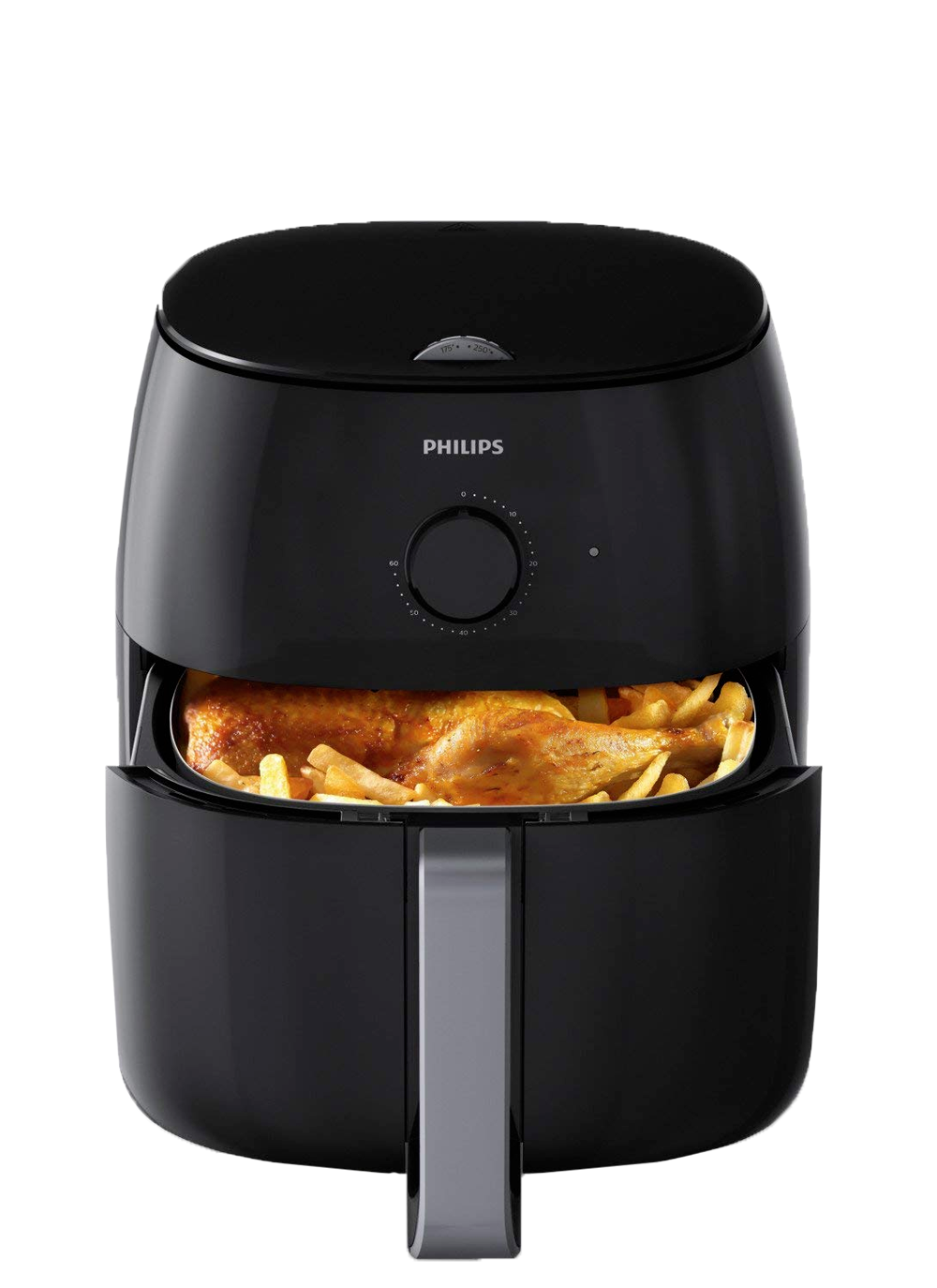
How does an air fryer work?
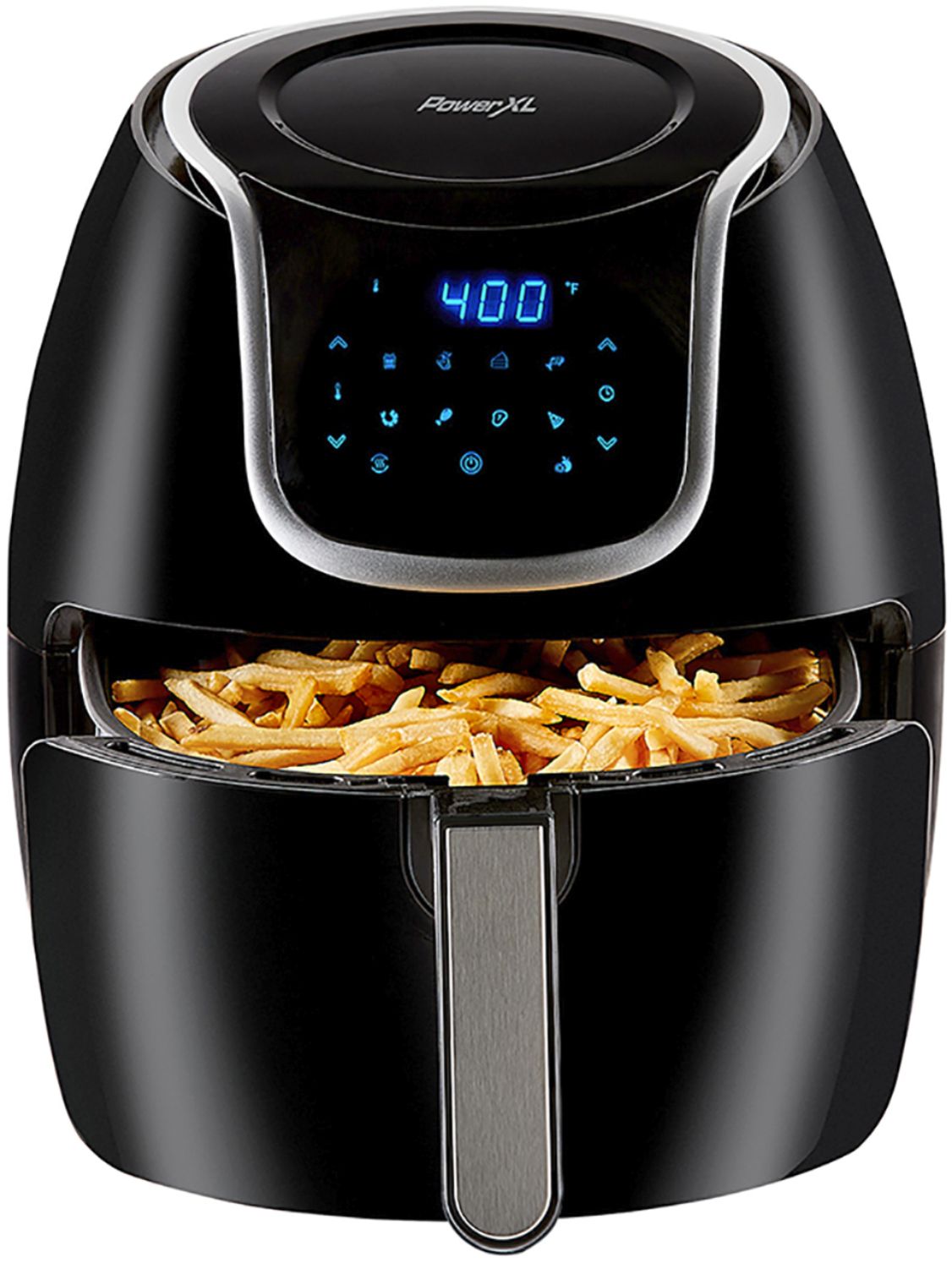
An air fryer is a small convection oven. A heating element warms the air, and a fan moves that hot air around the food.
This fast air flow helps the outside brown and crisp. It does not truly fry food in oil. It usually needs only a light coating of oil, or none at all for many frozen foods.
The basket or tray affects the result. A crowded basket blocks air and can leave food soft. A single layer gives the most even browning.
Air fryer terms to know
- Basket: The removable part that holds food.
- Tray or rack: A flat surface used in some models.
- Convection heat: Hot air moved by a fan.
- Preheating: Heating the empty appliance before cooking.
- Shake: Moving small foods during cooking.
- Turn: Flipping larger foods so both sides cook.
- Smoke point: The temperature at which an oil starts to smoke.
Most air fryers do not need much oil. Use an oil made for cooking, such as canola, avocado, vegetable, or peanut oil, if it suits your diet and allergies.
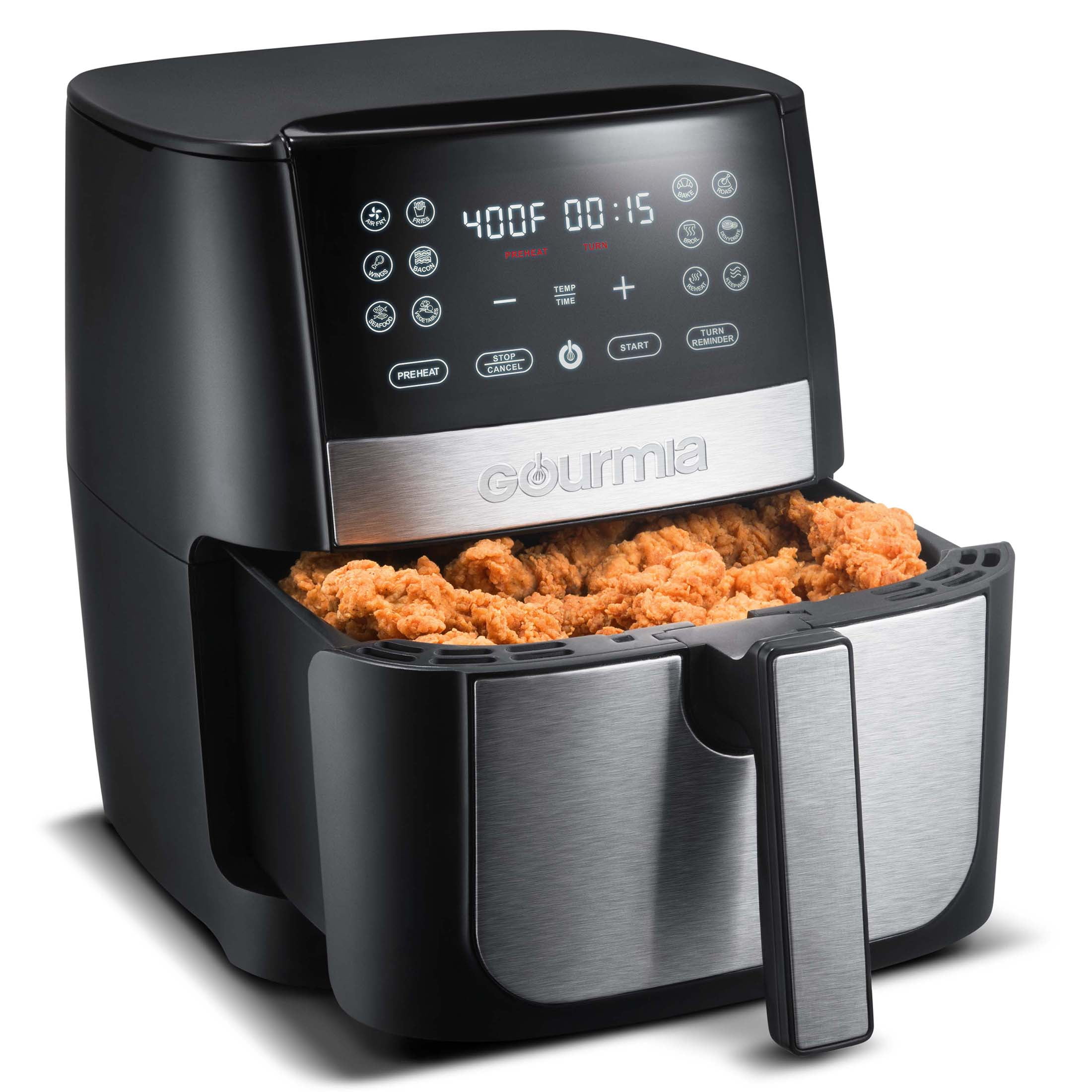
The best air fryer foods for beginners
Start with foods that are hard to ruin and do not need much preparation. Frozen foods, vegetables, chicken wings, and potatoes are good first choices.
1. Frozen French fries
Cook frozen fries in a loose layer. Shake the basket once or twice. Add a few minutes if the fries are pale or soft.
Do not thaw the fries first unless the package says to do so. Thawed fries can cook unevenly and may need a different method.
2. Chicken wings
Pat the wings dry. Season them before cooking. Arrange them with space between pieces, then turn or shake them during cooking.
Wings are done when the thickest part reaches at least 165°F. A food thermometer is more reliable than color.
3. Roasted vegetables
Cut vegetables into similar sizes. Toss them with a small amount of oil and seasoning. Broccoli, cauliflower, carrots, Brussels sprouts, and green beans all work well.
Tender vegetables cook faster than dense vegetables. Cut carrots and potatoes smaller than zucchini or peppers if you want them ready at the same time.
4. Salmon
Brush salmon with a little oil and add seasoning. Place it skin-side down if it has skin. Cook until the center flakes easily and reaches a safe temperature.
The FDA lists 145°F as the safe minimum internal temperature for fish. Check the thickest part.
5. Chicken tenders
Chicken tenders cook quickly because they are thin. Coat them with breadcrumbs, crushed cereal, or a light flour mixture if you want a crisp crust.
Leave space between each tender. Crowding can make the coating damp.

Air fryer cooking chart
The chart gives practical starting points for common foods. Use the lower end for small portions and the higher end for larger or crowded portions. Always check the food and follow the appliance manual.
| Food | Temperature | Starting time | Helpful step |
|---|---|---|---|
| Frozen fries | 380–400°F | 12–20 minutes | Shake twice |
| Tater tots | 400°F | 12–18 minutes | Shake once or twice |
| Chicken wings | 380–400°F | 20–30 minutes | Turn halfway |
| Chicken tenders | 375–400°F | 10–16 minutes | Check the center |
| Chicken breast | 375°F | 18–25 minutes | Use a thermometer |
| Meatballs | 375–400°F | 10–16 minutes | Shake or turn |
| Salmon | 375–400°F | 8–14 minutes | Check the thickest part |
| Shrimp | 375–400°F | 5–9 minutes | Avoid overcooking |
| Pork chops | 375–400°F | 12–20 minutes | Check thickness |
| Broccoli | 375–400°F | 8–12 minutes | Toss with oil |
| Brussels sprouts | 375–400°F | 12–18 minutes | Cut large sprouts |
| Asparagus | 375–400°F | 6–10 minutes | Use thin spears |
| Baked potatoes | 390–400°F | 35–50 minutes | Pierce and turn |
| Quesadillas | 350–375°F | 5–8 minutes | Secure the top if needed |
| Bacon | 350–375°F | 7–12 minutes | Check often |
| Frozen egg rolls | 375–400°F | 8–14 minutes | Turn halfway |
These times are not a substitute for a thermometer. The USDA recommends checking meat with a food thermometer and lists these safe minimum internal temperatures:
- Poultry: 165°F
- Ground meat: 160°F
- Pork, beef, veal, and lamb steaks, chops, and roasts: 145°F, followed by a three-minute rest
- Fish: 145°F
- Leftovers and casseroles: 165°F
See the USDA safe minimum internal temperature chart for current guidance.
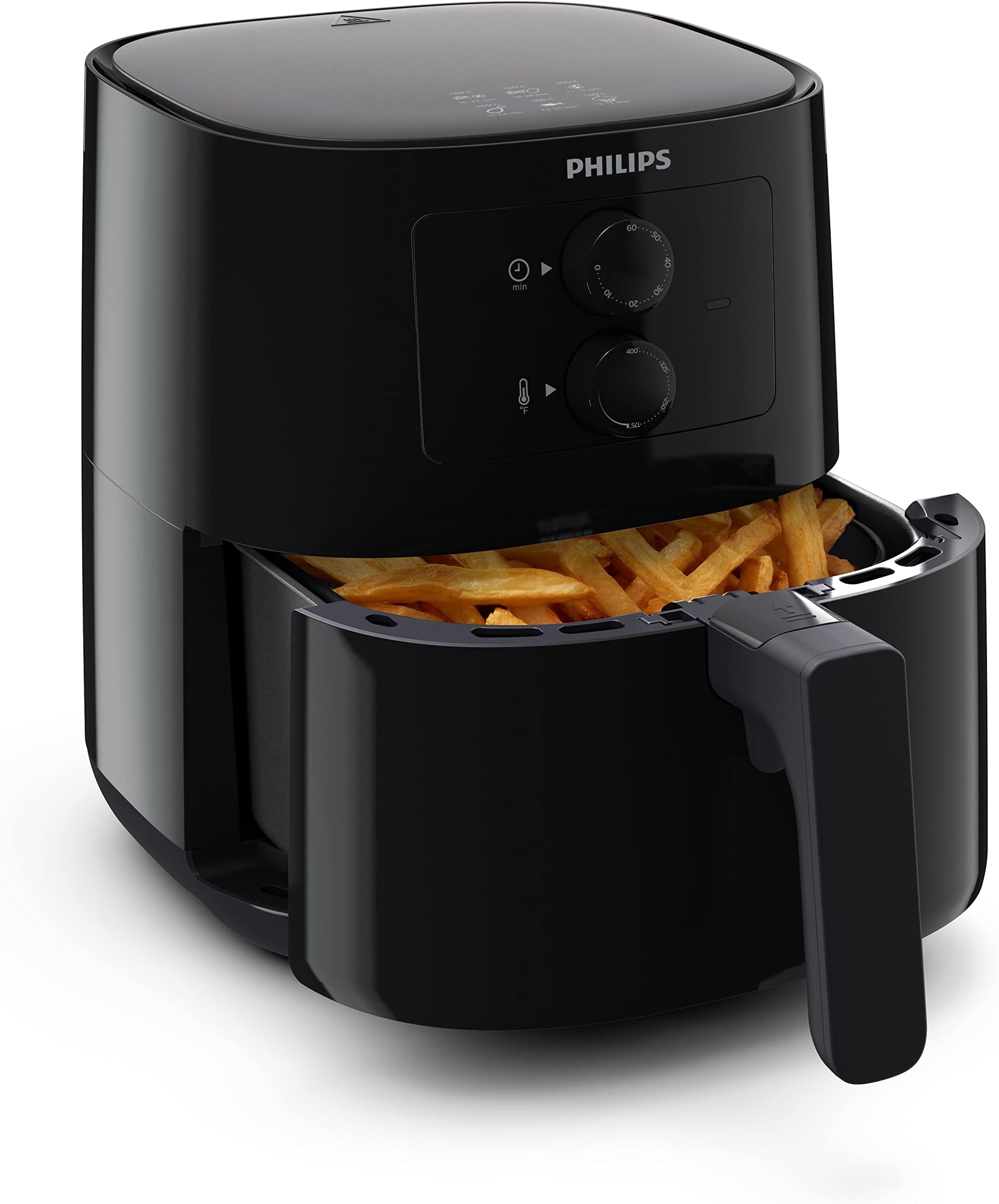
Easy air fryer dinner ideas
An air fryer can make a full dinner, but some foods may need separate batches. Cook foods with similar temperatures together when possible.
Chicken and vegetables
Cook seasoned chicken thighs or breasts with vegetables such as broccoli, peppers, or zucchini. Start the chicken first if the vegetables cook faster.
Use pieces of similar size. Check the chicken at the thickest point. Do not rely on the outside color alone.
Salmon and asparagus
Place salmon on one side of the basket and asparagus on the other if there is enough room. If the basket is full, cook them in separate batches.
Salmon cooks quickly. Watch it closely near the end to prevent a dry texture.
Turkey meatballs and potatoes
Small meatballs can cook well with diced potatoes, but the potatoes may need a head start. Shake the potatoes, then add the meatballs.
Ground turkey must reach 165°F because poultry has a higher safe temperature than ground beef.
Shrimp tacos
Cook peeled shrimp with chili powder, cumin, garlic, and a small amount of oil. Warm tortillas separately in the air fryer for a short time.
Shrimp are ready when they turn opaque and curl into a loose “C” shape. A tight curl can mean they are overcooked.
Crispy tofu bowls
Press extra-firm tofu to remove excess water. Cut it into cubes and toss it with oil and a small amount of cornstarch.
Cook the cubes in a single layer. Serve them with rice, vegetables, and a sauce added after cooking.
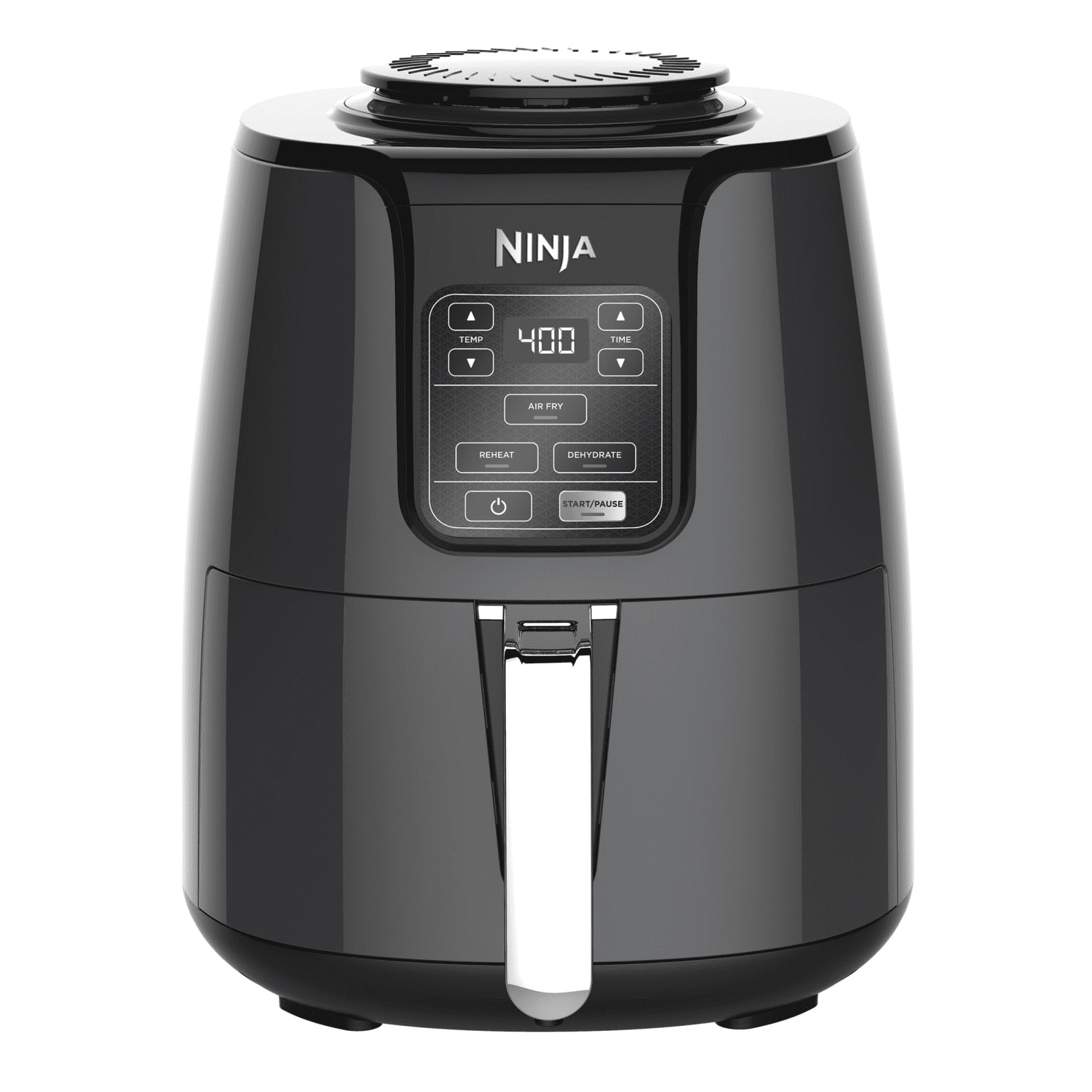
What can you make with frozen food?
Frozen food is one of the easiest air fryer options. Many frozen snacks are already cooked or partly cooked, but you still need to heat them fully.
Good choices include:
- French fries
- Tater tots
- Chicken nuggets
- Fish sticks
- Pizza rolls
- Mozzarella sticks
- Taquitos
- Egg rolls
- Hash brown patties
- Frozen vegetables
- Frozen waffles
- Frozen biscuits
Read the package directions first. Air fryers often cook faster than a full-size oven, so begin checking early.
Do not assume a frozen product is safe just because it is browned. For frozen meat or poultry, check the center with a thermometer. Follow the package instructions for products that require full cooking.

Can you bake in an air fryer?
Yes. An air fryer can bake small items when the pan fits and air can still move around it.
Try:
- Muffins
- Cookies
- Brownies
- Cinnamon rolls
- Hand pies
- Small cakes
- Apple crisps
- Banana bread in a small loaf pan
- Baked oatmeal
- Mini cheesecakes
Use an oven-safe pan that fits your model. Leave room around the pan if the manual requires it. A deep pan may block air and make the center cook slowly.
Reduce the oven temperature by about 25°F when adapting a recipe, then begin checking early. This is only a starting method. Different air fryers heat in different ways.
Avoid putting loose parchment paper in the basket while preheating. It can lift into the heating element. Use parchment only when food holds it down, and use a product made for the appliance when possible.
:max_bytes(150000):strip_icc()/ewl-tier-3-primary-best-air-fryers-nsimpson-3689-e62c6713b32b4309984e207ce899fb6b.jpeg "How to reheat food in an air fryer")
How to reheat food in an air fryer
An air fryer can restore crispness to many foods better than a microwave. It works especially well for pizza, fried chicken, fries, roasted vegetables, and sandwiches.
Good foods to reheat
- Pizza
- Fried chicken
- French fries
- Onion rings
- Chicken tenders
- Burgers
- Sandwiches
- Roasted potatoes
- Garlic bread
- Quesadillas
Use a moderate temperature first. High heat can burn the outside before the center warms.
For leftovers, heat the food until it reaches 165°F. The USDA recommends refrigerating perishable food within two hours, or within one hour when the temperature is above 90°F.
Do not reheat food repeatedly. Warm only the amount you plan to eat.
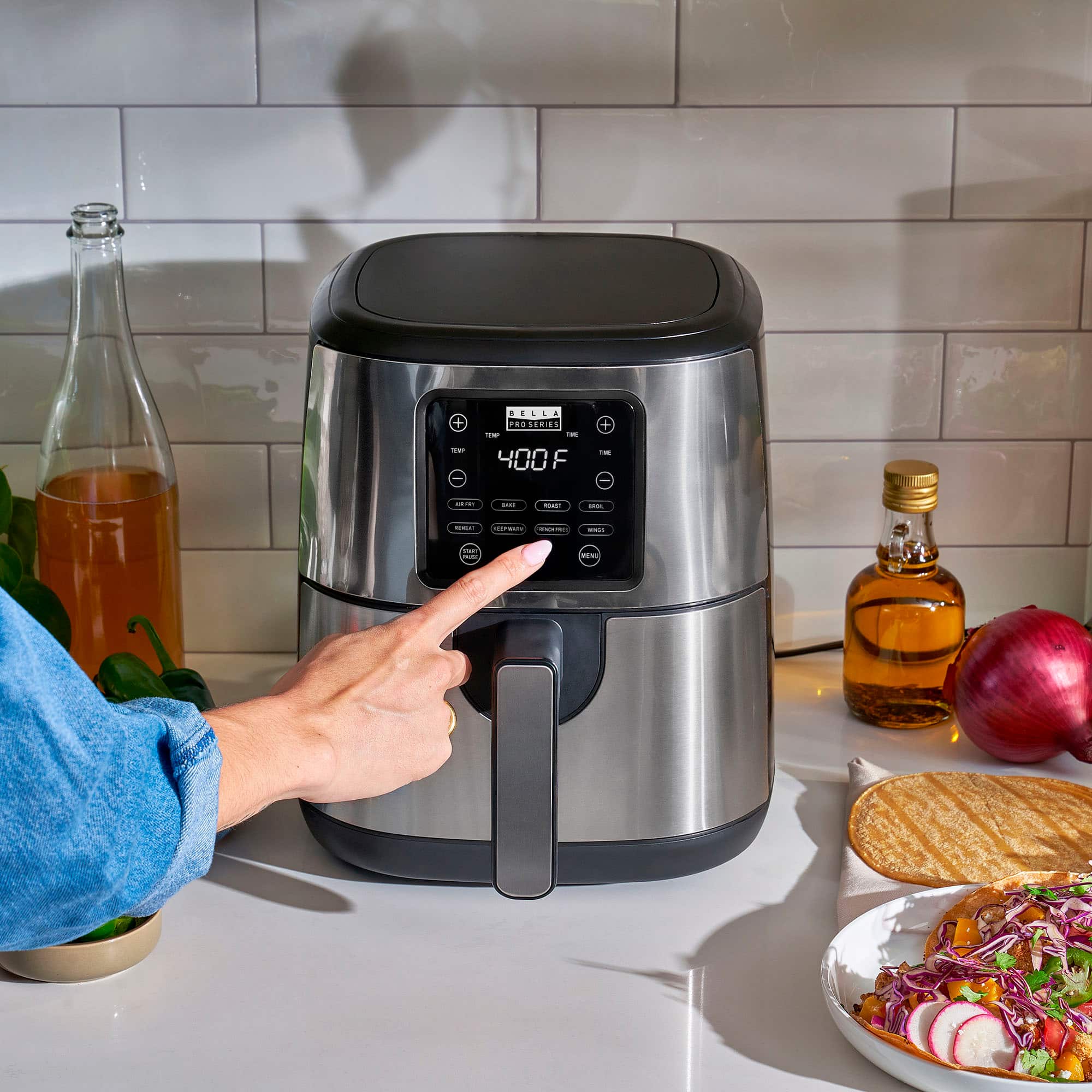
Foods you should not put in an air fryer
Most foods can go in an air fryer only when they are prepared in a suitable container. Some items can cause a mess, burn, or damage.
Avoid or use caution with:
- Wet batter without a pan
- Loose cheese
- Very light foods that can blow into the heating element
- Large roasts that do not fit safely
- Whole eggs in the shell unless the manual gives instructions
- Plastic containers
- Wax paper
- Non-heat-safe glass
- Aerosol cooking sprays that may damage some coatings
- Foods with large amounts of loose sauce
Wet batter often drips through the basket before it sets. Use a small oven-safe dish for foods such as baked pasta or a batter-based dessert.
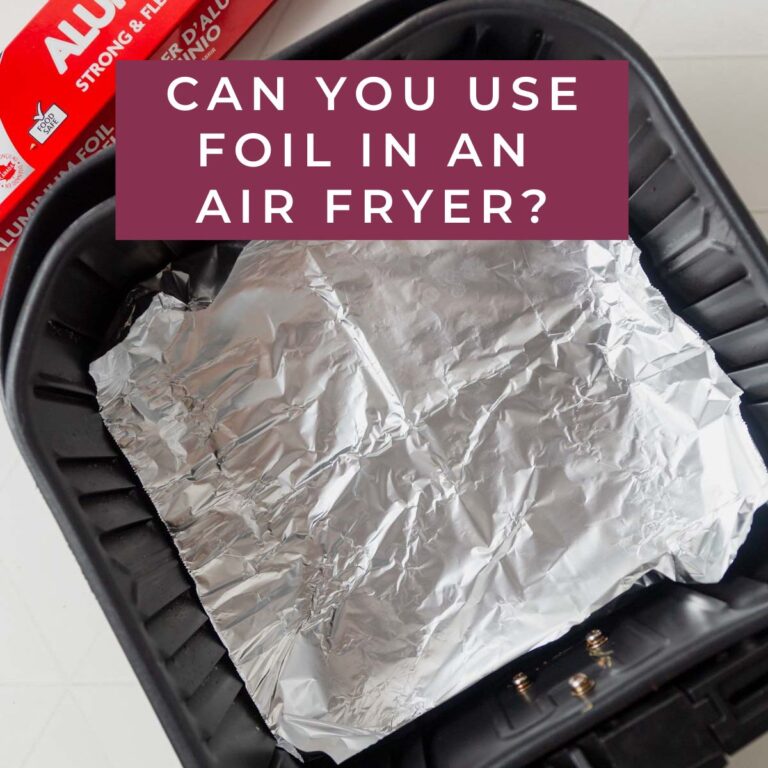
Check the manual before using foil, parchment, silicone cups, or a metal pan. Accessories must fit without touching the heating element or blocking needed air flow.

How to get crisp food in an air fryer
Dry food crisps better than wet food. Pat meat and vegetables dry before seasoning them.
Use these steps:
- Cut food into even pieces.
- Dry the surface with a paper towel.
- Add a thin oil coating when needed.
- Preheat if the recipe or manual calls for it.
- Place food in one layer.
- Leave gaps between pieces.
- Shake small foods or turn large foods.
- Add sauce near the end or after cooking.
- Let fried food rest on a rack, not in a pile.
Do not add too much oil. Excess oil can smoke and may make breaded food greasy.
Breaded foods crisp best when the coating sticks firmly. Dip the food in flour, then egg, then breadcrumbs. Press the crumbs onto the surface before placing the food in the basket.
:max_bytes(150000):strip_icc()/air-fryer-roundup-tout-6aa246dc04074f35bc06c628f7c4eb82.jpg "Common air fryer mistakes")
Common air fryer mistakes
Overfilling the basket
A full basket traps moisture. The food may cook, but it may not brown.
Cook in batches when crispness matters. A second batch is often better than a crowded first batch.
Using too much oil
Air fryers need less oil than deep fryers. Too much oil can cause smoke and greasy food.
Use a brush, mister, or measured teaspoon instead of pouring oil into the basket.
Skipping the shake or turn
Small foods can brown unevenly when they stay in one position. Shake fries, vegetables, and meatballs during cooking.
Turn chicken, fish, and other large pieces when the recipe calls for it.
Trusting the timer
The timer does not know the size of the food or the starting temperature. Check early and use a thermometer for meat, poultry, fish, and leftovers.
Cleaning too late
Grease and crumbs can smoke during the next use. Let the appliance cool, then clean the basket and tray according to the manual.
Never immerse the main electrical unit in water.
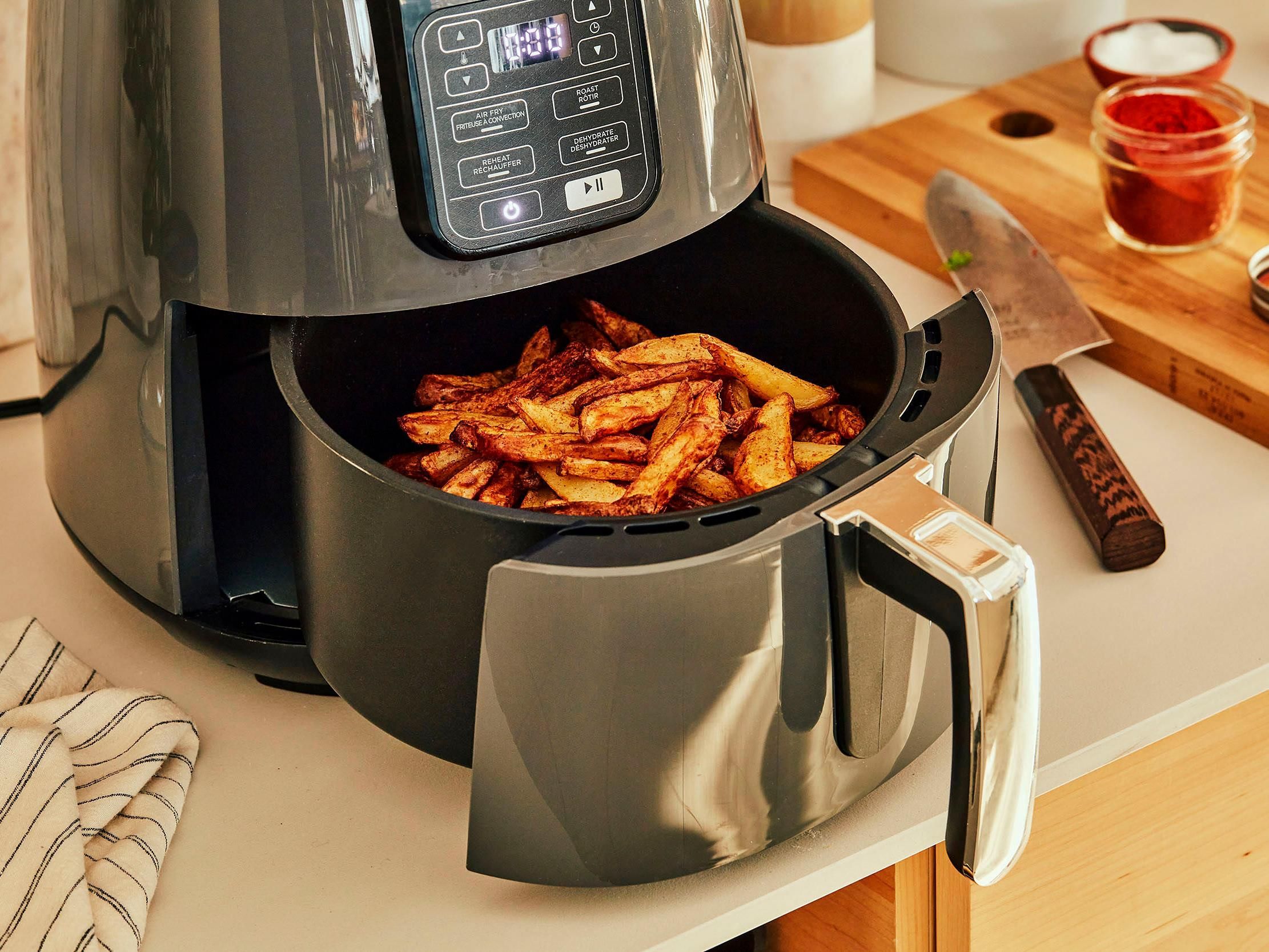
A simple air fryer formula
Use this basic formula for many fresh foods:
- Choose the food: Use vegetables, meat, fish, tofu, or potatoes.
- Cut evenly: Keep pieces close in size.
- Dry the surface: Remove extra moisture.
- Season: Add salt, pepper, herbs, spices, or a coating.
- Add a little oil: Use only enough to coat the surface.
- Set the heat: Start between 375°F and 400°F for many foods.
- Cook in a single layer: Leave space for air flow.
- Check early: Look, shake, turn, and measure temperature.
- Rest when needed: Let meat rest before cutting.
- Clean the appliance: Remove grease and crumbs after it cools.
This method works for many simple meals, but it does not replace package directions or recipe instructions.

Air fryer safety tips
Place the air fryer on a stable, heat-safe surface. Keep space around the vents as stated in the manual. Do not place it under cabinets if the manufacturer warns against that use.
Never leave a hot appliance unattended if the manual advises against it. Keep children away from the basket and heating area.
If you see smoke, stop the appliance and unplug it if it is safe to do so. Let it cool before checking for excess grease or food debris. If a grease fire starts, do not use water. Turn off the appliance if you can do so safely and follow local fire safety guidance.
Wash removable parts as directed. Some baskets are dishwasher-safe, but not every coating or accessory is.

FAQ about what you can make with an air fryer
Can I cook raw meat in an air fryer?
Yes. You can cook raw chicken, beef, pork, turkey, fish, and shrimp when the pieces fit safely. Use a food thermometer to confirm the correct internal temperature.
Can I cook vegetables without oil?
Yes. Many vegetables cook well with no oil. A small amount of oil can improve browning and help seasonings stick.
Can I put aluminum foil in an air fryer?
Some manufacturers allow foil, while others limit or discourage it. Check your manual. Never let foil block the fan or touch the heating element.
Can I put frozen meat in an air fryer?
Some frozen meat products can go straight into the air fryer. Use the package directions and confirm the center reaches a safe temperature. Large frozen cuts may cook unevenly.
Is an air fryer healthier than deep frying?
Air frying often uses less added oil than deep frying. The health value still depends on the food, portion, coating, salt, and cooking method. An air fryer does not automatically make every food nutritious.
Do I need to preheat an air fryer?
Not always. Preheating can help with browning and may shorten cooking time, but some recipes do not need it. Follow the recipe and the appliance manual.
Conclusion
You can make crispy snacks, roasted vegetables, meat, fish, frozen foods, baked treats, and reheated leftovers in an air fryer. Start with a single layer, use a small amount of oil, check food early, and confirm meat and leftovers with a thermometer.
For your first meal, try chicken tenders with broccoli, frozen fries with fish, or roasted potatoes with vegetables. These simple dishes show how air flow, space, and timing affect the result.