What Can You Fry In An Air Fryer: Best Foods To Try
An air fryer can cook far more than French fries. In American kitchens, it can crisp frozen foods, roast vegetables, cook chicken, brown meat, and reheat leftovers with little oil. It does this by moving hot air around food rather than submerging food in a pot of oil.
You can cook most dry, firm foods in an air fryer. Breaded chicken, frozen snacks, vegetables, fish, bacon, burgers, and potatoes usually work well. Wet batter, loose cheese, large amounts of liquid, and foods that need deep oil need a different cooking method.

How an Air Fryer “Frys” Food
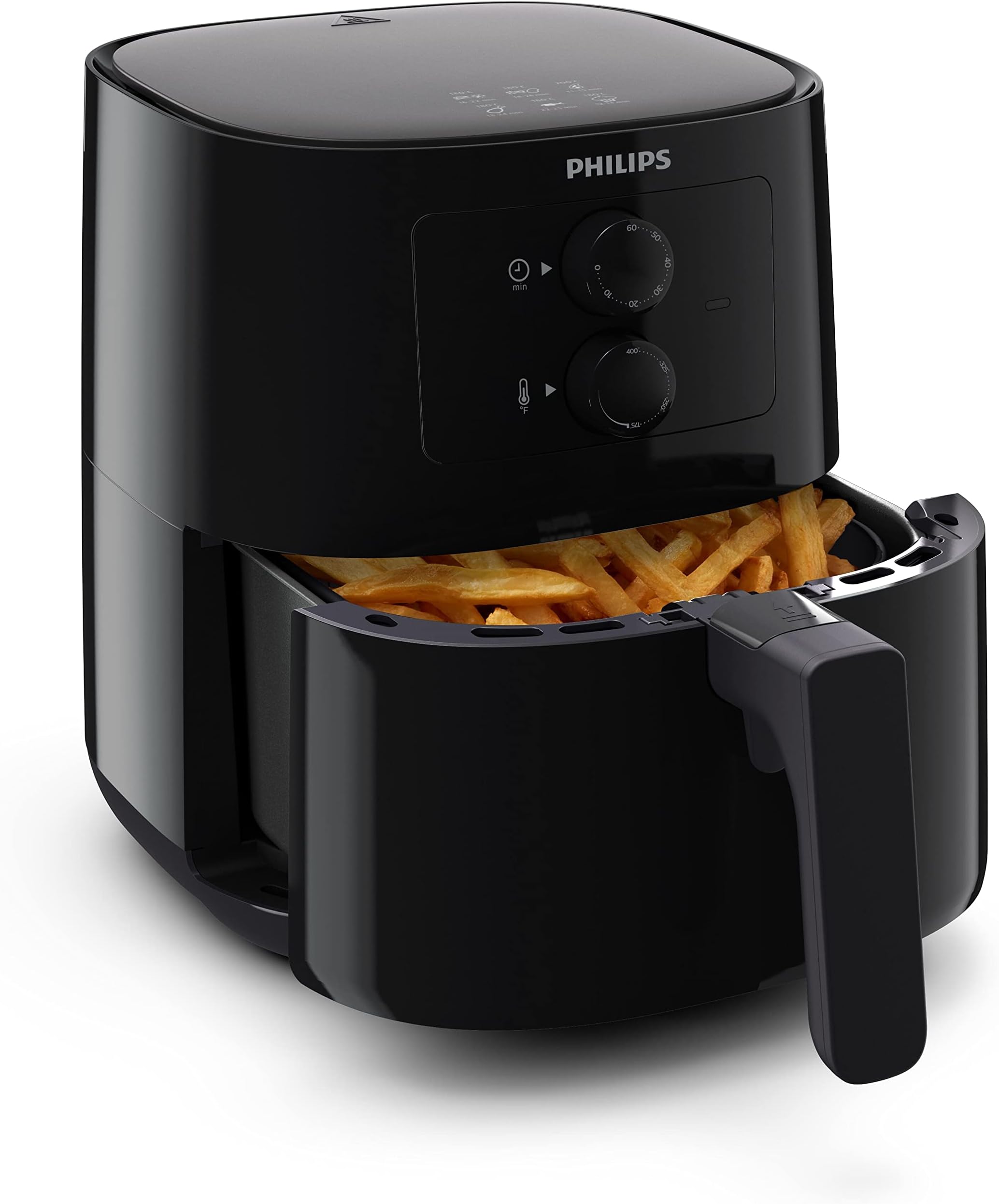
An air fryer is a small convection oven. A heating element warms the air, and a fan moves that air around the food. The hot air dries and browns the outside while the food cooks inside.
This differs from deep frying. Deep frying cooks food in hot oil, while air frying uses dry heat and a small amount of oil, or no added oil at all. The result can be crisp, but the texture may be lighter and less rich than traditional fried food.
For the best results:
- Dry the food before cooking.
- Use a light coat of oil on foods that need browning.
- Leave space between pieces.
- Turn or shake the food during cooking when needed.
- Cook in batches instead of filling the basket too high.
- Follow the air fryer manual for temperature and basket limits.
Oil helps heat move across the surface and promotes browning. It does not need to cover the food. A spray, brush, or measured teaspoon often works better than pouring oil into the basket.

The Best Foods to Fry in an Air Fryer
The best air fryer foods are small, fairly dry, and able to hold their shape. Breaded foods, frozen foods, vegetables, and thin cuts of meat are especially reliable.
Frozen foods
Many frozen foods cook well straight from the freezer. They often already contain oil and a coating designed to brown in an oven.
Good choices include:
- French fries
- Tater tots
- Hash brown patties
- Chicken nuggets
- Chicken tenders
- Mozzarella sticks
- Fish sticks
- Breaded shrimp
- Corn dogs
- Taquitos
- Pizza rolls
- Egg rolls
- Potato skins
- Frozen onion rings
- Frozen vegetables
Shake or turn small foods halfway through cooking. Check the package directions first, then adjust for your air fryer. A smaller basket may cook faster than a full-size oven, while a crowded basket may cook more slowly.
Do not assume that a frozen food is fully cooked. Some frozen meat and poultry products are raw inside. Check the label and use a food thermometer when needed.
Potatoes
Potatoes are among the easiest foods to air fry. You can cook them as fries, wedges, cubes, rounds, or whole baked potatoes.
For crisp potato pieces:
- Cut the potatoes into similar sizes.
- Rinse or soak them if you want to remove some surface starch.
- Dry them well.
- Toss with a small amount of oil and seasoning.
- Cook in a single layer.
- Shake the basket one or more times.
Thick pieces take longer than thin pieces. Sweet potatoes can brown faster because they contain more natural sugar, so watch them near the end of cooking.
vegetables
air fryers can brown vegetables quickly while keeping some bite. Good options include:
- Broccoli
- Cauliflower
- Brussels sprouts
- Green beans
- Asparagus
- Zucchini
- Bell peppers
- Carrots
- Mushrooms
- Corn on the cob
- Baby potatoes
- Frozen vegetables
Cut vegetables into even pieces. Add a small amount of oil so the edges can brown. Leafy greens can blow around in the basket, and small pieces may touch the heating element. Use caution with kale chips and other light foods.
Chicken and other poultry
An air fryer can cook chicken wings, thighs, drumsticks, breasts, tenders, and breaded chicken. Skin-on chicken often develops a crisp surface because the skin contains fat.
The key safety rule is internal temperature. The U.S. Department of Agriculture (USDA) says poultry should reach 165°F in the thickest part. Use an instant-read thermometer rather than judging safety by color alone.
For even cooking:
- Pat the chicken dry.
- Arrange pieces with space around them.
- Put thicker pieces toward the center if your model cooks unevenly.
- Turn the chicken if the top browns faster.
- Rest the chicken briefly before serving.
Chicken wings may crisp well at a higher temperature, but very thick chicken breasts can brown outside before the center is done. Lower the heat if the outside darkens too soon.
Beef, pork, and burgers
You can air fry burgers, meatballs, steak bites, pork chops, sausages, and bacon. The basket allows fat to drip away, but it may also create smoke when fatty foods splatter.
Use these USDA temperature guidelines:
| Food | Safe minimum internal temperature |
|---|---|
| Ground beef, pork, lamb, and veal | 160°F |
| Whole cuts of beef, pork, lamb, and veal | 145°F, followed by a 3-minute rest |
| Fish | 145°F |
| Poultry | 165°F |
These temperatures apply to the food’s center, not the air fryer display. Insert the thermometer into the thickest part and avoid touching bone when measuring poultry.
Bacon can cook well, but grease may smoke. Clean the basket and drawer after cooking fatty foods. Never pour water into a hot basket to control smoke unless the manufacturer specifically allows it.
Fish and seafood
Air frying works well for salmon, white fish, breaded fish, shrimp, scallops, and crab cakes. Delicate fish may need parchment made for air fryers or a small tray to prevent sticking.
Use a light oil coating on plain fish. Breaded seafood usually needs little extra oil. Keep the pieces in a single layer so the coating can dry and brown instead of steaming.
Shrimp and thin fish cook fast. Check them early because overcooking can make seafood dry or rubbery.
Breaded foods
Breaded food is a natural fit for an air fryer. The moving heat dries the coating and helps it turn crisp.
You can air fry:
- Breaded chicken
- Pork cutlets
- Fish fillets
- Eggplant slices
- Zucchini
- Pickles
- Mushrooms
- Ravioli
- Cheese curds
- Avocado slices
For homemade breading, use a standard sequence of flour, beaten egg, and breadcrumbs. Press the crumbs onto the food so they stay attached. A light oil spray can improve color.
Very wet coatings may drip through the basket. Chill breaded food for a short time before cooking if the coating feels loose.
Foods That Do Not Fry Well in an Air Fryer
Some foods are unsafe, messy, or disappointing in an air fryer. The main problem is that the appliance uses moving dry air, not a deep bath of oil.
Wet batter
Traditional wet batter usually does not work well. The batter can drip through the basket before it sets. It may also stick to the basket, burn on the heating element, or create smoke.
Examples include:
- Pancake batter
- Beer batter
- Tempura batter
- Thin corn dog batter
- Uncoated cake batter
Use a solid, oven-safe pan inside the air fryer only when the manual permits it. Even then, the result will be baked rather than deep-fried.
Loose cheese
Cheese melts quickly and can run through the basket. It may burn on the bottom or stick to the heating element.
You can still cook cheese-based foods when the cheese is contained. Good examples include mozzarella sticks with a firm coating, grilled cheese in a suitable pan, stuffed peppers, and casseroles made in an approved dish.
Large amounts of liquid
An air fryer is not designed to boil soup, pasta water, or a large amount of sauce. Liquid can spill, damage the appliance, or create steam and burns.
Avoid cooking:
- Soup
- Stew
- Large portions of gravy
- A full pot of rice
- Loose pasta
- Large amounts of water
A small amount of sauce inside a solid, oven-safe dish may be acceptable if the manual allows that dish and setup.
Popcorn
Most home air fryer manuals do not recommend making popcorn. The kernels need intense, even heat, and loose kernels may move into the heating element. Use a microwave or stovetop method instead.
Rice and dry grains
Dry rice, quinoa, and similar grains need water and controlled simmering. An air fryer cannot replace a pot or rice cooker for this task.
Very light foods
Foods such as loose tortillas, parchment, kale leaves, and thin bread may lift into the heating element. Secure light food with heavier ingredients, use approved liners, and follow the appliance instructions.

How to Fry Food in an Air Fryer
Use this simple method for most air fryer foods.
1. Check the food and the appliance
Read the food package and air fryer manual first. Confirm whether the food is raw or precooked, whether the basket needs preheating, and whether parchment, foil, or a pan is allowed.
Do not block the air vents. Keep the appliance on a stable, heat-resistant surface with the clearance listed by the manufacturer.
2. Prepare the food
Cut food into similar sizes. Pat meat, fish, and vegetables dry. Remove excess moisture because wet surfaces can slow browning.
Add seasoning before cooking. Add delicate sauces near the end unless the sauce is thick enough to stay in place.
3. Add a small amount of oil
Use an oil that suits the cooking temperature. Brush or lightly spray the food instead of filling the basket with oil.
Never treat the air fryer basket like a deep fryer. Do not pour a large volume of oil into the drawer.
4. Arrange food in a single layer
Leave gaps between pieces when possible. Hot air needs room to move. A crowded basket traps steam and can produce soft, uneven food.
If you need a large amount, cook in batches. This usually gives a better crust than filling the basket to the top.
5. Set the temperature and time
Use the package or recipe as a starting point. Air fryers vary in size, fan strength, basket design, and temperature accuracy.
Start checking food several minutes before the listed time. Small foods can change from crisp to burnt quickly.
6. Turn, shake, or rotate
Shake fries, tots, vegetables, and small pieces halfway through cooking. Turn larger foods with tongs.
If one side browns more quickly, rotate the basket or change the food’s position.
7. Check doneness
Use visual signs for texture, but use a thermometer for meat, poultry, and seafood. The food should reach the applicable USDA safe temperature.
If food is pale but cooked, add a small amount of oil and continue cooking briefly. If the outside is dark but the center is raw, reduce the temperature and cook longer.
8. Clean the air fryer
Let the appliance cool before cleaning. Remove food debris and wipe away grease. A dirty basket can cause smoke and unwanted flavors.
Follow the manual for dishwasher use. Never submerge the main electrical unit unless the manufacturer specifically says it is safe.

Air Fryer Cooking Guide
The table below gives starting points for common foods. Exact times vary by air fryer, food size, starting temperature, and basket load.
| Food | Starting temperature | Approximate time | Key tip |
|---|---|---|---|
| Frozen fries | 375–400°F | 12–25 minutes | Shake often |
| Tater tots | 400°F | 12–18 minutes | Cook in a single layer |
| Chicken wings | 375–400°F | 20–30 minutes | Turn or shake |
| Chicken tenders | 375–400°F | 10–18 minutes | Check the center |
| Salmon | 375–400°F | 8–14 minutes | Avoid overcooking |
| Shrimp | 375–400°F | 5–10 minutes | Check early |
| Broccoli florets | 375–400°F | 8–14 minutes | Dry well first |
| Brussels sprouts | 375–400°F | 12–20 minutes | Cut large sprouts in half |
| Burger patties | 375–400°F | 8–15 minutes | Use a thermometer |
| Bacon | 350–400°F | 7–15 minutes | Watch for smoke |
| Baked potato | 375–400°F | 35–55 minutes | Pierce and turn if needed |
These are starting ranges, not guarantees. Frozen food may need a different setting than fresh food. Thick cuts and crowded baskets need more time.

Common Air Fryer Mistakes
Overcrowding the basket
Too much food blocks airflow. The food may cook, but it will often steam instead of crisping.
Using too much oil
Excess oil can collect in the drawer, smoke, and make food greasy. A thin coating is usually enough.
Forgetting to dry food
Water on the surface delays browning. Pat food dry before adding oil or breading.
Using parchment incorrectly
Loose parchment can lift into the heating element. Use only parchment designed for cooking, place it under food, and follow the manual. Do not use parchment during preheating unless the manufacturer permits it.
Trusting the timer instead of the food
Air fryer cooking times differ between models. Check texture and temperature, especially during the first attempt.
Adding sugary sauce too early
Barbecue sauce, honey, and some glazes can burn. Brush them on during the final few minutes or after cooking.
Ignoring smoke
Smoke can come from old grease, excess oil, or very fatty food. Stop the appliance if smoke becomes heavy. Allow it to cool, then clean it before using it again.
Assuming “air fried” means healthy
Air frying can reduce the amount of added oil compared with deep frying, but the food itself still matters. A breaded or highly processed food remains high in sodium, refined starch, or saturated fat even when cooked with little oil.
How to Make Air-Fried Food Crispier
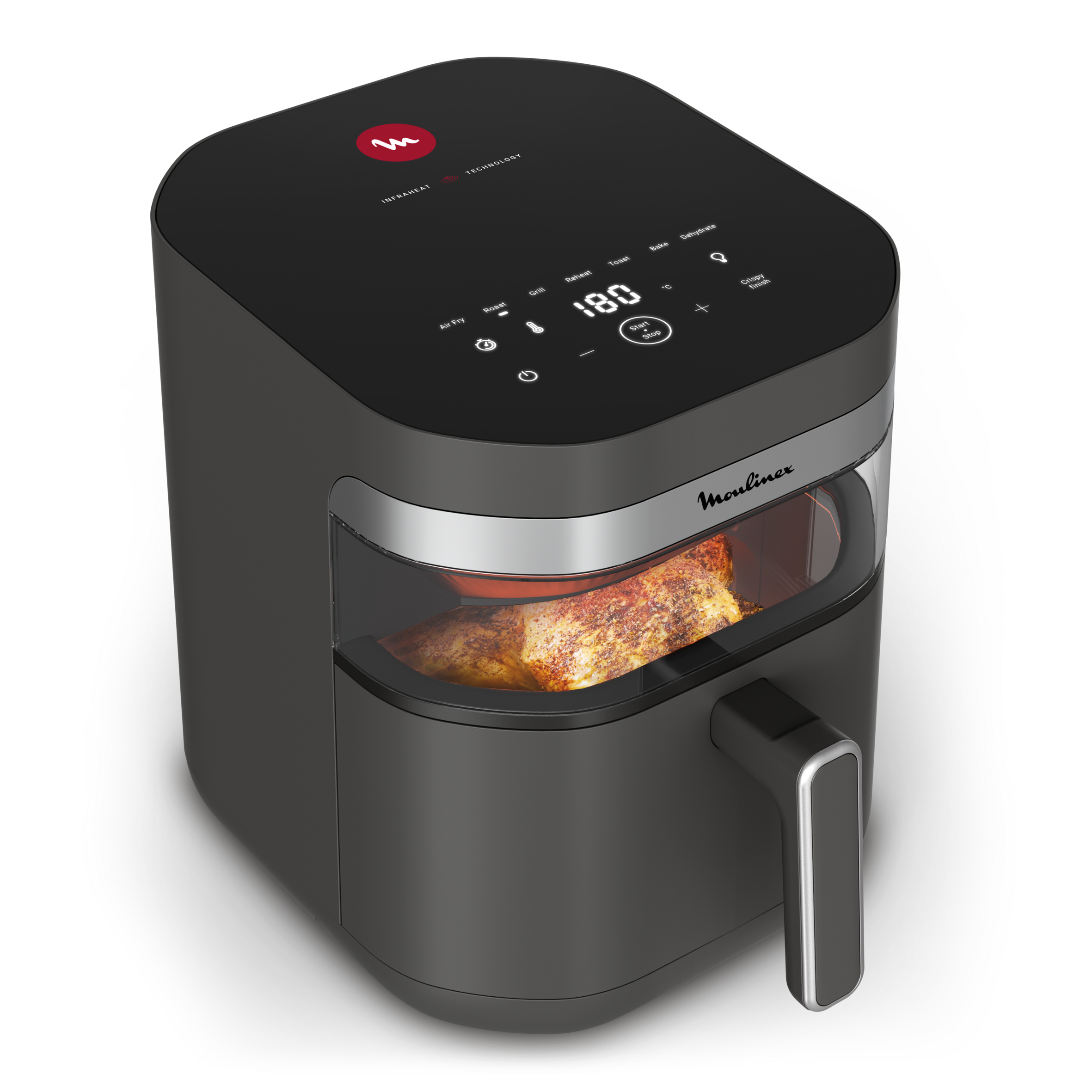
Crisp food needs a dry surface, strong airflow, and enough heat.
Try these steps:
- Dry food before cooking.
- Avoid thick layers of wet batter.
- Use a light coat of oil.
- Do not crowd the basket.
- Shake or turn food during cooking.
- Cook fresh fries in batches.
- Let breaded foods rest briefly after coating.
- Finish with a short higher-heat period if the food is fully cooked but pale.
Do not raise the temperature automatically when food is undercooked. A high temperature can burn the outside while leaving the center unsafe. For meat and poultry, check the internal temperature first.

Frequently Asked Questions
Can you put raw meat in an air fryer?
Yes. Raw chicken, beef, pork, fish, and other meats can be cooked in an air fryer. Use a food thermometer and follow the USDA safe minimum temperatures. Keep raw meat separate from ready-to-eat food during preparation.
Can you fry eggs in an air fryer?
Yes, but use a small oven-safe dish or ramekin rather than placing a raw egg directly in an open basket. The cooking time depends on the dish, egg size, and preferred doneness.
Can you use aluminum foil in an air fryer?
Many air fryers allow foil, but not every model gives the same instructions. Use foil only when the manual permits it. Keep it secured by food, do not block airflow, and never let it touch the heating element.
Can you use oil in an air fryer?
Yes. A small amount of oil can improve browning and crispness. Do not fill the basket with oil or use the appliance as a deep fryer.
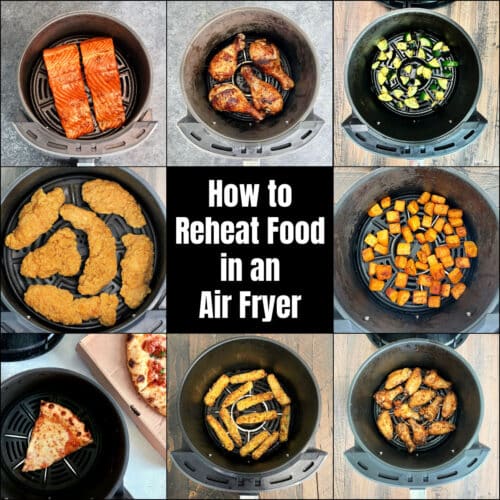
Can you reheat leftovers in an air fryer?
Yes. Pizza, roasted vegetables, chicken, fries, sandwiches, and other firm foods often reheat well. Use a moderate temperature and check early so the food does not dry out.
Do you need to preheat an air fryer?
Not always. Some models and recipes call for preheating, while others do not. Preheating can help food brown more evenly, but follow the appliance manual and recipe instructions.
Conclusion
You can fry or crisp many foods in an air fryer, including potatoes, frozen snacks, breaded foods, vegetables, chicken, meat, fish, and seafood. The best results come from dry food, light oil, open airflow, and small batches.
Avoid wet batter, loose cheese, large amounts of liquid, and foods that can reach the heating element. For meat, poultry, and seafood, judge doneness with a thermometer—not appearance alone. Start with the cooking guide, then adjust time and temperature for your specific air fryer.