Why Did My Air Fryer Catch On Fire: Common Causes And Tips
Most air fryer fires start with grease, blocked airflow, damaged cords, or unsafe cooking habits.
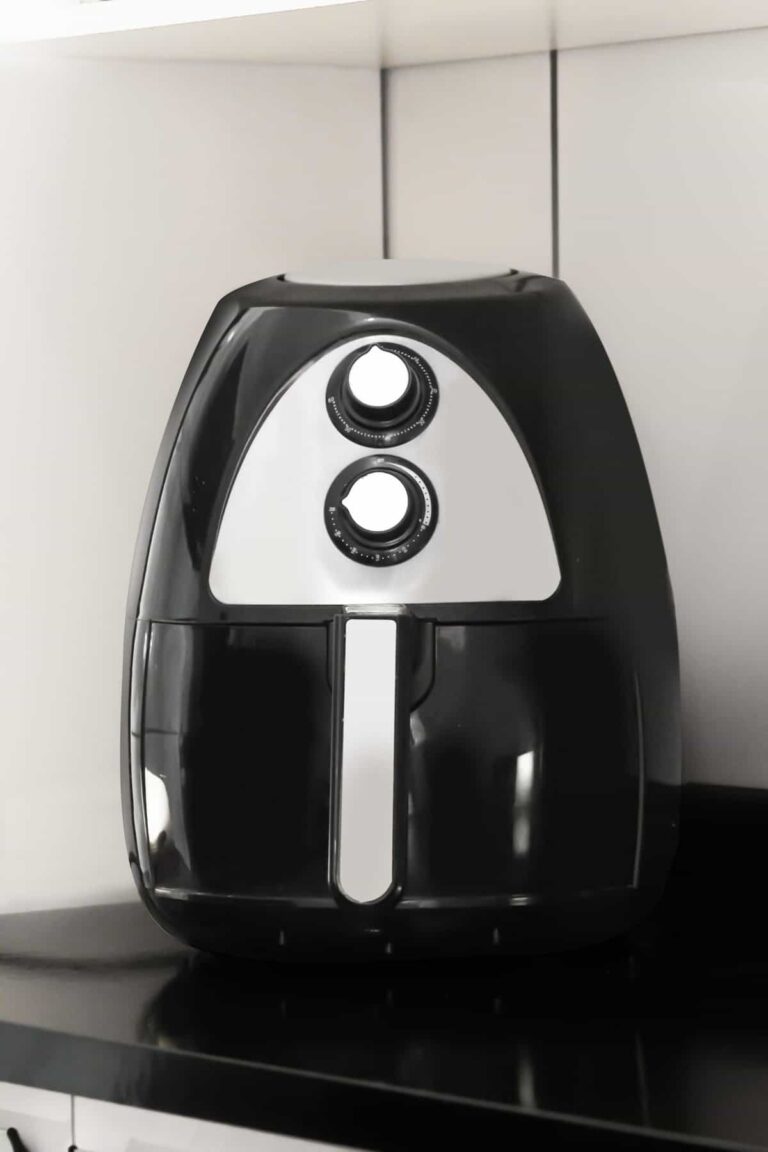
If you are asking, “why did my air fryer catch on fire,” you are not alone. Air fryers are safe when used correctly, but they contain heating elements, hot oil residue, electrical parts, and fast-moving air. This guide explains the most likely causes, what to do during a fire, how to check the appliance afterward, and when replacement is the safest choice.
Why did my air fryer catch on fire?
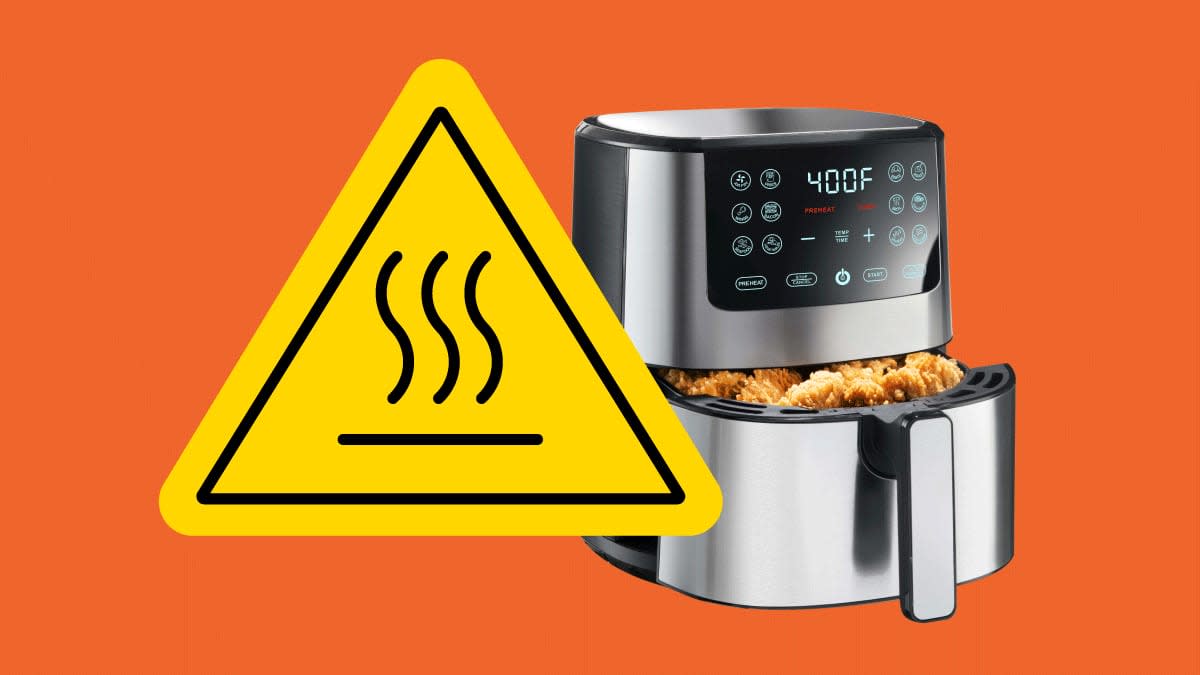
An air fryer can catch fire when heat meets a fuel source. The fuel may be grease, food crumbs, cooking spray, parchment paper, plastic, or another item that should not be near the heating element.
The most common causes include:
• Grease or oil buildup near the heating element
• Too much oil inside the basket
• Food touching the hot coil
• Paper, plastic, or foil blocking airflow
• An overloaded basket
• A damaged power cord or loose outlet
• A faulty thermostat, fan, or electrical part
• Using the air fryer on an unsafe surface
• Leaving the appliance unattended
Air fryers do not usually need much oil. They cook by circulating very hot air, often between 350°F and 400°F. Extra oil can drip into the lower pan, collect near the heating coil, and ignite.
In many cases, the first sign is smoke. Smoke does not always mean a fire, but heavy smoke, flames, sparks, a burning plastic smell, or a tripped breaker should be treated as a serious warning.
What to do if your air fryer catches fire
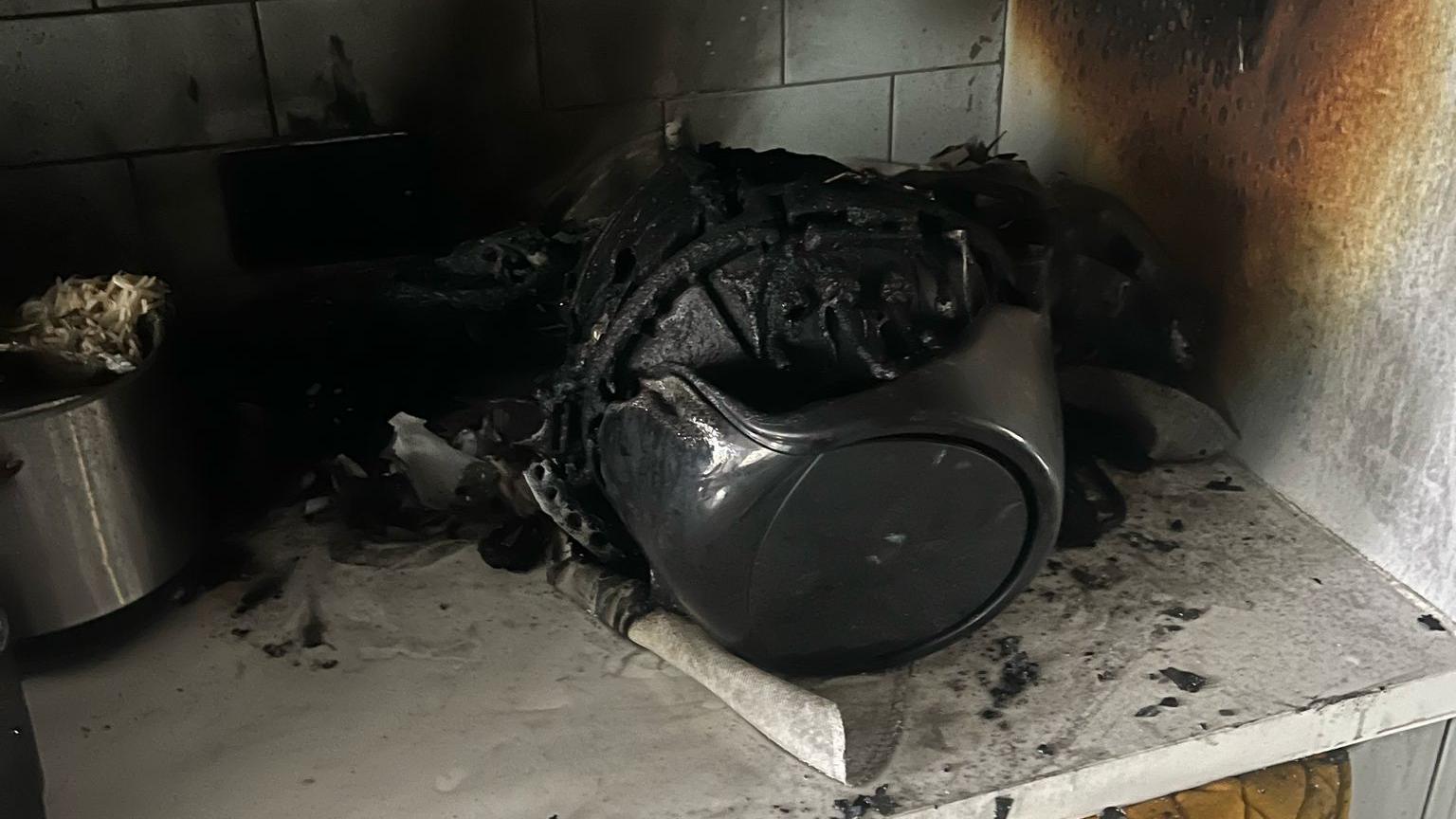
If your air fryer is on fire, stay calm and act quickly. Do not try to carry a burning appliance across the kitchen.
Follow these steps:
-
Turn off the air fryer if you can do so safely.
-
Unplug it only if you can reach the plug without touching flames or standing in danger.
-
Keep the basket and drawer closed. Opening them can feed the fire with oxygen.
-
If the fire is small and you have the right extinguisher, use a Class B or multipurpose ABC extinguisher according to its instructions.
-
Evacuate the home if the fire grows, spreads, or creates heavy smoke.
-
Call 911 or your local emergency number from outside.
Never pour water on an air fryer fire. Water can spread burning grease and may cause a dangerous electrical shock.
Do not move the appliance to the sink. Do not cover it with a wet towel. Do not restart it after the flames go out. A hidden electrical fault or hot grease can cause the fire to return.
Smoke inhalation is also dangerous. The National Fire Protection Association advises people to leave a burning home quickly and avoid reentering until firefighters say it is safe.

The most common reasons an air fryer catches fire
Grease buildup
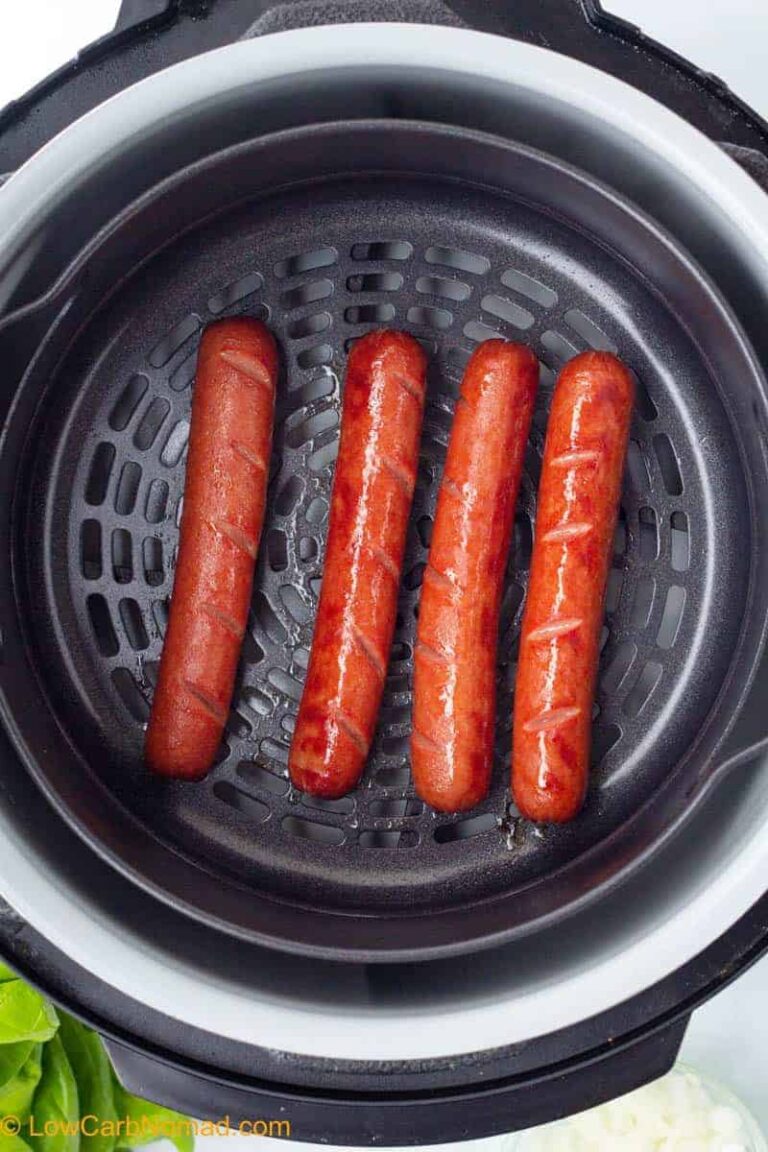
Grease is one of the leading reasons an air fryer catches fire. Fat from bacon, chicken wings, sausage, and other foods can collect in the pan or drip onto the heating element.
Over time, old grease becomes a thin, sticky fuel layer. When the heating element gets hot enough, that layer may smoke or ignite.
Clean the basket, pan, and inside walls after each use. Pay special attention to the area above the basket, where grease vapor can settle.
Too much oil
Air fryers need little oil. A light coating on the food is often enough.
A large amount of oil can pool beneath the basket. If it reaches the heating element, it may flame up. This is especially risky when cooking fatty foods that release more oil as they heat.
Avoid filling the pan with oil as you would when deep frying. An air fryer is not designed to work like a deep fryer.
Food touches the heating element
Small or light foods can move during cooking. Bread, cheese, bacon, and thin pieces of vegetables may rise into the heating area.
If food touches the heating coil, it can burn. A burned item may then fall onto grease or other food and create flames.
Use the correct basket size and avoid cooking loose food that can blow upward. Check the user manual for foods that require special care.
Blocked airflow
Air fryers need open airflow to control heat. If the vents are covered, the appliance may become too hot.
Common airflow problems include:
• Placing the air fryer against a wall
• Covering the top with a towel
• Using it inside a cabinet
• Blocking the rear vent
• Filling the basket beyond its recommended level
Leave open space around the appliance. The exact distance depends on the model, so follow the manufacturer’s instructions.
Parchment paper or aluminum foil
Parchment paper and foil can be useful, but they must be used correctly. Loose paper can lift into the heating element. Foil can also block airflow or touch electrical parts.
Never place parchment paper in the basket during preheating unless it is held down by food and the manual allows it. Do not use wax paper. Wax paper can melt and smoke.
Use air fryer parchment with holes when appropriate. Keep foil away from the heating coil and never cover every air hole.
Damaged cords and outlets
A melted cord, loose plug, scorch mark, buzzing sound, or warm outlet can point to an electrical problem.
Do not use an extension cord unless the manufacturer specifically allows it. Many extension cords cannot handle the appliance’s power draw for long periods.
Plug the air fryer directly into a properly grounded wall outlet. If the breaker trips more than once, stop using the appliance and have the outlet checked by a qualified electrician.

Could a faulty air fryer cause a fire?
Yes. A manufacturing defect can cause overheating, arcing, or a failure in the thermostat or control board. This is less common than grease or misuse, but it can happen.
A thermostat controls temperature by turning the heating element on and off. If it fails, the air fryer may continue heating beyond its normal range.
Possible signs of an internal fault include:
• The appliance heats when it is turned off
• The display flashes or behaves strangely
• The fan stops while the heater stays on
• The unit makes popping or crackling sounds
• The plug or cord becomes hot
• The air fryer smells like burning plastic
• The breaker trips repeatedly
If any of these signs appear, unplug the appliance when safe and stop using it. Do not open the housing or attempt a repair unless you are qualified to work on electrical appliances.
Check the model number for safety recalls through the U.S. Consumer Product Safety Commission and the manufacturer’s website. Keep the receipt, photos, and purchase details if you need to report the problem.

How to prevent an air fryer fire
The best way to prevent an air fryer fire is to control heat, grease, airflow, and electricity.
Use this safety checklist:
• Read the manual before the first use.
• Place the unit on a stable, heat-resistant counter.
• Keep it away from curtains, paper towels, cabinets, and walls.
• Do not leave it running while you leave the room.
• Use only the amount of oil recommended for the recipe.
• Clean grease from the basket, pan, coil, and interior walls.
• Do not overfill the basket.
• Keep food below the maximum fill line.
• Check that the basket is fully seated.
• Inspect the cord and plug before each use.
• Keep the vents clear.
• Use oven mitts when removing hot parts.
• Keep children and pets away from the appliance.
• Keep a suitable fire extinguisher nearby.
Cleaning is especially important after cooking fatty foods. Let the appliance cool fully, then wash removable parts with warm, soapy water. Use a soft cloth for the inside. Avoid soaking electrical parts or scraping the heating element with a sharp tool.

Foods that may increase fire risk
Some foods create more smoke, grease, or loose particles than others. This does not mean you must avoid them, but you should use extra care.
Fatty meats
Bacon, sausage, chicken wings, and pork belly can release large amounts of grease. Cook smaller batches and empty excess grease between batches if the manual permits.
Lightweight foods
Tortilla strips, bread, leafy greens, and thin slices may move in the strong airflow. Keep them weighed down with heavier food when safe, or choose another cooking method.
Cheese and foods with melting coatings
Cheese can melt onto the heating element and burn quickly. Frozen cheese snacks can also burst and leak filling.
Use a tray or accessory approved for your model. Watch the food closely the first time you cook it.
Wet marinades
A wet coating can drip into the pan and create smoke. Pat food dry when possible and avoid adding large amounts of oil-based marinade.
These foods are not automatically dangerous. The risk depends on the recipe, amount, temperature, appliance design, and cleaning condition.
:max_bytes(150000):strip_icc()/can-you-put-parchment-paper-in-the-air-fryer-4x3-1dd69e42286d4f4b83588bc475f3729a.jpg)
What to do after an air fryer fire
Do not assume the air fryer is safe because the flames stopped. Heat may have damaged the wiring, insulation, thermostat, or plastic housing.
After the area is safe:
• Do not plug the air fryer back in.
• Let it cool completely.
• Take photos of the damage.
• Save the appliance, packaging, and receipt if possible.
• Record the model and serial number.
• Contact the manufacturer.
• Check for a product recall.
• Report injuries, property damage, or suspected defects to the proper safety agency.
If the fire damaged a counter, outlet, wall, or cabinet, have the area inspected. A scorched outlet may continue to overheat even after the appliance is removed.
Insurance companies may also ask for photos, receipts, and a description of what happened. Avoid discarding the appliance before checking whether an inspection is needed.
:max_bytes(150000):strip_icc()/faw-toaster-ovens-air-fryers-test-taotronics-rkilgore-127-efe96fac638843b49fba305016d49235.jpg)
Should you replace an air fryer that caught fire?
In most cases, yes. An air fryer that produced flames should not return to normal use, even if it appears clean.
You may be able to clean an appliance that only produced a small amount of food smoke. However, flames, melted parts, exposed wires, burn marks, or a strong electrical smell are reasons to replace it.
A replacement is also wise when:
• The heating element is warped or cracked
• The cord shows heat damage
• The plastic body has melted
• The basket no longer locks correctly
• The fan sounds different
• The unit has repeated error codes
• The fire source is unknown
Do not rely on a reset button to solve the problem. A reset may clear a symptom without fixing the underlying fault.
When buying a new model, look for clear safety instructions, stable construction, automatic shutoff, overheat protection, and easy-to-clean parts. These features reduce risk, but they do not replace safe use.
Lessons from real kitchen use
One common mistake is treating an air fryer like a small oven that can be left alone. It feels convenient, but the appliance still contains a very hot heating element close to food and grease.
A practical lesson from testing and reviewing countertop cooking appliances is to inspect the top interior, not just the basket. Many people clean the drawer but forget the hidden grease film above it. That film can smoke during later cooking.
Another useful habit is to test new recipes at a lower temperature first. Watch how much grease the food releases and whether small pieces move. After you understand the recipe, you can adjust the time or temperature with more confidence.
Never ignore a strange smell. A brief smell from a new appliance may come from manufacturing residue, but a sharp plastic, electrical, or burning-wire smell is not normal. Stop the appliance and investigate safely.
How to tell smoke from a dangerous fire
Some smoke is caused by food residue or excess grease. It may clear after cleaning. A dangerous fire usually shows stronger warning signs.
Treat the situation as an emergency if you see:
• Open flames
• Sparks or flashes
• Thick, dark smoke
• A glowing or melting plug
• A loud electrical pop
• Flames coming from the vents
• Smoke that continues after the food is removed
If smoke is light, turn off the air fryer and unplug it when safe. Keep the basket closed and allow it to cool. If smoke increases or flames appear, leave the area and call emergency services.
When in doubt, choose safety over saving the appliance. A small kitchen appliance is replaceable. A kitchen fire can spread in minutes.
Frequently Asked Questions
Why did my air fryer catch on fire during cooking?
The most likely causes are grease buildup, too much oil, food touching the heating element, blocked airflow, or an electrical fault. Check the appliance for burn marks and recall notices, but do not use it again until it has been professionally assessed.
Can I use an air fryer after it catches fire?
No. A fire may damage hidden wires, insulation, sensors, or the thermostat. Replace the appliance or follow the manufacturer’s instructions for a safety inspection.
Can water put out an air fryer fire?
No. Water can spread burning grease and create an electrical shock risk. Turn off power if safe, keep the drawer closed, use a suitable extinguisher, and call emergency services if the fire does not stop quickly.
Is smoke from an air fryer always dangerous?
Light smoke may come from excess oil or food residue, but heavy smoke, sparks, flames, or a burning plastic smell are serious warnings. Turn off the appliance, unplug it when safe, and stop using it until the cause is known.
Can parchment paper cause an air fryer fire?
Yes, loose parchment paper can lift into the heating element and burn. Use only paper made for high-heat cooking, keep it held down by food, and follow the appliance manual.
How often should I clean my air fryer?
Clean the basket and pan after each use, especially after cooking fatty foods. Wipe the interior and heating area as needed so grease does not build up.
What should I do if my air fryer keeps tripping the breaker?
Stop using it and unplug it when safe. The problem may involve the appliance, outlet, wiring, or circuit, so contact a qualified electrician or the manufacturer.
Conclusion
If you are still wondering why did my air fryer catch on fire, start with the basics: grease, excess oil, blocked airflow, loose food, damaged cords, and possible product defects. Keep the appliance clean, give it space, avoid overfilling it, and never leave it unattended.
If flames appear, do not use water and do not reopen the basket. Cut power only when safe, leave the home if needed, and call emergency services. After a fire, replace the appliance rather than taking a risk with hidden damage.
Use this guide to check your cooking habits and inspect your equipment today. Share your experience or explore more kitchen safety resources to help keep your home safe.