Why Do We Need Recipes: Benefits Of Cooking
Recipes give cooks a clear plan. They list ingredients, amounts, steps, cooking times, temperatures, and helpful safety notes. This makes it easier to repeat a dish, fix mistakes, manage food costs, and cook with confidence.
For cooks in the United States, a recipe also helps connect everyday meals with food safety guidance from the U.S. Department of Agriculture (USDA) and the U.S. Food and Drug Administration (FDA). Whether you are making chili in Texas, clam chowder in New England, or a weeknight pasta dinner in California, a recipe turns a broad idea into a usable set of actions.

What Is a Recipe?
A recipe is a written or recorded set of instructions for preparing a food or drink. Most recipes include:
- A list of ingredients
- The amount of each ingredient
- Preparation steps
- Cooking methods
- Cooking time
- Cooking temperature
- Serving size or yield
- Storage instructions
- Optional substitutions or variations
A recipe is more than a list of foods. It explains how those foods work together. For example, a cake recipe must show how much flour, sugar, fat, liquid, and leavening to use. It must also explain how to mix and bake them so the cake rises and sets.
Recipes may be simple or detailed. A sandwich recipe may need only a few steps. A sourdough bread recipe may need water temperature, dough texture, proofing time, and room-temperature guidance.
A recipe is also a form of communication. It allows one person to share a cooking method with another person. Without written details, important parts of the method may be lost.

Why Do We Need Recipes?
We need recipes because they make cooking more consistent, safe, efficient, and accessible. They also help preserve food traditions and support learning.
1. Recipes provide clear instructions
Cooking often involves many small choices. A recipe helps answer questions such as:
- What should I prepare first?
- How much of each ingredient do I need?
- Should I chop, slice, grate, or crush the food?
- When should I add each ingredient?
- How hot should the pan or oven be?
- How do I know when the food is done?
Without a recipe, a new cook may have to guess. Guessing can work for simple meals, but it can cause problems with baking, sauces, meats, and other foods that depend on exact steps.
A good recipe reduces uncertainty. It acts like a map: the cook still does the work, but the path is easier to follow.
2. Recipes improve consistency
Recipes help cooks make the same dish more than once. This matters at home, in restaurants, in schools, and in food businesses.
Suppose a family enjoys a soup but prepares it differently each time. One batch may be too salty, while another may be too thin. Writing down the ingredients and method creates a starting point for a more consistent result.
Consistency does not mean every batch must be identical. Ingredients vary. Tomatoes may contain different amounts of water, and ovens may heat differently. Still, a recipe gives the cook a stable base for making adjustments.
3. Recipes help control portions and costs
A recipe usually states how many people it serves. This helps cooks plan the right amount of food and reduce waste.
For example, a recipe that serves four may call for:
- 1 pound of chicken
– 2 cups of rice - 3 cups of vegetables
- 1 cup of sauce
If you need to serve eight people, you may start by doubling each amount. This is called scaling a recipe.
The math is simple:
New amount = original amount × new servings ÷ original servings
If a recipe serves four and uses 2 cups of rice, the amount for six servings is:
2 cups × 6 ÷ 4 = 3 cups
Scaling does not always work perfectly. Salt, spices, yeast, thickening agents, and cooking time may need adjustment. A large pot of soup may also take longer to heat than a small pot.
4. Recipes support food safety
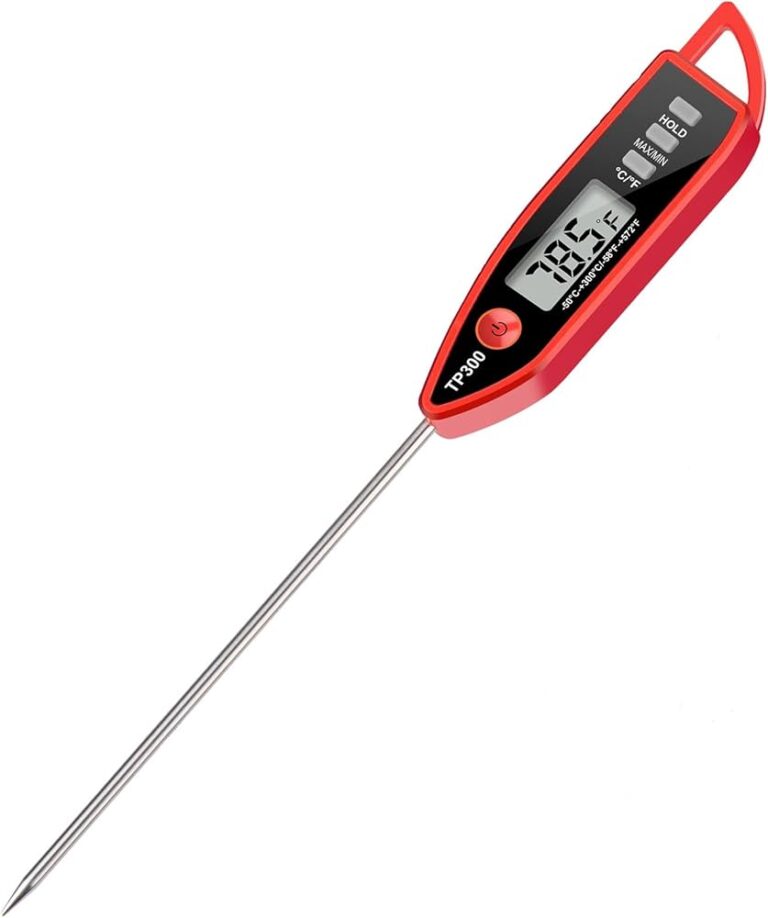
Recipes can help cooks handle food safely, but they cannot replace a food thermometer or official safety guidance.
The USDA advises using a food thermometer to check whether meat, poultry, seafood, and egg products have reached a safe internal temperature. Color and texture alone do not always show whether food is safe.
A recipe may include safety-related instructions such as:
- Wash hands before handling food.
- Keep raw meat away from ready-to-eat foods.
- Cook poultry to the recommended internal temperature.
- Refrigerate perishable foods promptly.
- Use clean tools and cutting boards.
- Avoid tasting food made with raw eggs or uncooked flour.
The USDA’s Safe Minimum Internal Temperature Chart provides current temperature guidance for common foods. The FDA also explains safe food handling through its Food Safety at Home guidance.
A recipe should not claim that food is safe based only on time. Pan size, food thickness, starting temperature, and oven accuracy can change cooking results.
5. Recipes make cooking easier for beginners
New cooks often need more than a list of ingredients. They need help with order, timing, texture, and visual signs.
For example, “cook onions” is less useful than:
Cook the onions over medium heat until soft and lightly golden, about 8 to 10 minutes.
The second version gives the cook a method, a heat level, a time range, and a sign of success.
Recipes also teach basic skills. A person may learn how to:
- Dice an onion
- Brown ground beef
- Cream butter and sugar
- Simmer a sauce
- Knead dough
- Roast vegetables
- Balance salt, acid, fat, and heat
Over time, the cook may rely less on recipes. The recipe serves as training wheels, not a permanent limit.
6. Recipes preserve culture and family memory
Recipes carry more than cooking instructions. They can preserve family customs, regional foods, religious traditions, and community history.
A handwritten recipe card may record how a family makes tamales, cornbread, gumbo, apple pie, or holiday cookies. The instructions may also include notes about who taught the dish, when the family serves it, or which ingredient a relative prefers.
Recipes can change as they move between places and generations. Mexican American, Chinese American, Italian American, Native American, Black American, Jewish American, and many other food traditions have shaped cooking in the United States.
Writing down a recipe helps protect that knowledge. It also allows others to adapt the dish while keeping its main character.
How Recipes Make Cooking More Reliable
Recipes improve reliability by controlling key variables. The main variables are ingredients, amounts, order, time, temperature, and technique.
Ingredients
Ingredient quality and type affect the final result. All-purpose flour does not behave exactly like bread flour. Fresh tomatoes do not behave like canned tomatoes. Unsalted butter gives the cook more control over salt than salted butter.
A useful recipe names the ingredient clearly. It may specify:
- Fresh or dried
- Whole or ground
- Drained or undrained
- Packed or loose
- Room temperature or chilled
- Cooked or uncooked
These details prevent confusion.
Measurements
Recipes use volume, weight, or both. In the United States, home recipes often use cups, tablespoons, and teaspoons. Weight measurements, such as grams or ounces, can be more precise, especially for baking.
For dry ingredients, a kitchen scale can reduce variation. One person may scoop flour lightly, while another may pack it into the cup. The two cooks can use different amounts even when they follow the same cup measurement.
Order of operations
The order of steps can change the result. For example:
- Heating oil before adding vegetables can help them sauté.
- Adding garlic too early may cause it to burn.
- Adding flour before liquid can help create a smooth roux.
- Resting dough can improve its texture.
- Letting meat rest after cooking can reduce the loss of juices when it is cut.
Recipes place steps in an order that supports the desired result.
Time and temperature
Heat changes food in specific ways. Low heat may soften food slowly. High heat may brown the outside quickly. Baking depends on both oven temperature and time.
Time estimates are useful, but they are not always exact. A recipe’s time may change because of:
- Oven differences
- Pan size
- Food thickness
- Starting temperature
- Altitude
- Ingredient substitutions
- The amount of food in the pan
A reliable cook uses the stated time as a guide and checks the food for signs of doneness.
Sensory signs
The best recipes include more than numbers. They describe what the cook should see, smell, feel, or hear.
Useful signs include:
- “The sauce coats the back of a spoon.”
- “The edges are golden brown.”
- “The vegetables are tender but not soft.”
- “The dough feels smooth and elastic.”
- “The center is set.”
- “The chicken reaches the safe internal temperature.”
These signs help the cook respond to real conditions rather than follow a timer blindly.

When Should You Follow a Recipe Exactly?
Follow a recipe closely when the balance of ingredients affects structure, safety, or texture. This is especially true for:
- Cakes
- Cookies
- Bread
- Custards
- Preserves
- Soufflés
- Candy
- Fermented foods
- Recipes that contain raw or undercooked animal products
Baking is less flexible than making a soup or stir-fry. Flour, liquid, fat, sugar, eggs, and leavening agents interact through chemical and physical processes. A large change in one ingredient may affect the whole product.
For cooking methods such as roasting, sautéing, or simmering, you often have more freedom. You can adjust herbs, vegetables, and spices based on taste and availability.
The deciding question is this:
Does the ingredient control the structure or safety of the food, or does it mainly affect flavor?
If it controls structure or safety, make small changes. If it mainly affects flavor, you may have more room to adapt.
Ingredients that are often flexible
These ingredients can often change with limited risk:
- Dried herbs
- Fresh herbs
- Some vegetables
- Mild spices
- Garnishes
- Certain types of broth
- Some cooking oils
Ingredients that need caution
These ingredients can change texture, rise, thickness, or safety:
- Flour
- Baking soda
- Baking powder
- Yeast
- Eggs
- Gelatin
- Cornstarch
- Sugar in candy or preserves
- Salt in fermentation
- Liquid in bread or pastry
When making a substitution, change one thing at a time when possible. This makes it easier to understand the result.

How to Read a Recipe Correctly
Reading a recipe before cooking helps prevent errors. Use this simple process.
1. Read the full recipe
Do not begin with the first step alone. Check the entire recipe for:
- Marinating time
- Dough-resting time
- Thawing needs
- Special tools
- Divided ingredients
- Ingredients added at separate stages
- Required oven preheating
A recipe may take 30 minutes to cook but two hours from start to finish.
2. Check the yield
Confirm how many servings the recipe makes. If you need to feed more or fewer people, adjust the ingredient amounts before you begin.
3. Prepare the ingredients
This step is often called mise en place, a French term that means “everything in place.” Measure ingredients, chop vegetables, and gather tools before turning on the heat.
Preparation helps prevent rushed choices. It also reduces the chance of burning food while you search for the next ingredient.
4. Note divided ingredients
If a recipe lists “2 tablespoons of oil, divided,” it means you should use the oil at different steps. Do not add all of it at once.
5. Watch for doneness
Use the recipe’s time range, but also check color, texture, aroma, and internal temperature. When food safety matters, use a thermometer.
Common Recipe Mistakes and How to Avoid Them
Many cooking problems come from unclear reading rather than poor skill.
Measuring flour by packing the cup
Packed flour may add more flour than the recipe expects. Spoon flour into a dry measuring cup and level the top, or use a kitchen scale.
Skipping the preheat
An oven or pan that is not hot enough can change browning, rise, and cooking time. Preheat when the recipe calls for it.
Confusing teaspoons and tablespoons
A tablespoon is three times the volume of a teaspoon. Read the abbreviation carefully:
- tsp. = teaspoon
- Tbsp. or tbsp. = tablespoon
Using the wrong pan size
A smaller pan makes food deeper. A larger pan makes it thinner. Both changes affect cooking time and texture.
Replacing ingredients without checking their role
Replacing milk with water may remove fat and protein. Replacing baking soda with baking powder may change the amount of acid and leavening. A substitution should match the ingredient’s function, not just its general category.
Trusting time instead of checking the food
A timer cannot account for every oven, pan, or ingredient. Use visual and temperature checks as well.
Ignoring allergies and dietary needs
A recipe may contain common allergens such as milk, eggs, wheat, soy, peanuts, tree nuts, fish, shellfish, or sesame. Read labels on packaged ingredients and prevent cross-contact when needed.
For a diagnosed food allergy, use guidance from a qualified medical professional or registered dietitian. A casual substitution may not be safe.

What Makes a Good Recipe?
A good recipe is clear, complete, realistic, and honest about variation.
It should include:
- A specific title
- A useful yield
- Accurate ingredient amounts
- Ingredients listed in the order of use, when practical
- Clear action words
- Cooking temperature
- Approximate time
- Signs of doneness
- Storage information when relevant
- Safety notes when needed
- Substitution guidance only when tested or well supported
A strong recipe also separates preparation time from cooking time. This helps readers plan meals more accurately.
For example:
| Recipe detail | Why it helps |
|---|---|
| Servings | Helps plan portions |
| Prep time | Shows work before cooking |
| Cook time | Shows time under heat |
| Yield | Helps plan the final amount |
| Pan size | Supports even cooking |
| Temperature | Guides safe and consistent results |
| Doneness signs | Helps account for ingredient and equipment differences |
A recipe should not hide major limitations. If a dish depends on a specific pan, thermometer, resting period, or chilling time, the recipe should say so.

Do You Always Need a Recipe?
No. Experienced cooks often prepare simple foods without measuring every ingredient. They may know how much oil a pan needs, how salty a broth tastes, or how long vegetables take to soften.
However, even skilled cooks benefit from recipes when they:
- Try an unfamiliar dish
- Bake
- Cook for a large group
- Track portions
- Follow a special diet
- Repeat a successful meal
- Teach another person
- Preserve a family recipe
- Need to meet food safety requirements
Cooking without a recipe is similar to speaking without a script. It can be natural and creative, but a written guide helps when accuracy, repetition, or communication matters.

Frequently Asked Questions
Why are recipes important in everyday life?
Recipes help people plan meals, use ingredients wisely, control portions, learn cooking skills, and prepare food with more consistent results. They also make it easier to share meals and preserve family traditions.
Why are recipes important for baking?
Baking depends on precise relationships among flour, liquid, fat, sugar, eggs, and leavening agents. Changing these amounts can affect structure, moisture, rise, and texture. For this reason, baking recipes usually require closer measurement than soups or salads.
Can I change a recipe?
Yes, but the safe amount of change depends on the ingredient and method. Herbs and many vegetables are often flexible. Leaveners, eggs, flour, sugar, salt used in fermentation, and ingredients linked to food safety need more care.
Why do recipes include cooking temperatures?
Temperature affects browning, texture, cooking speed, and food safety. A recipe may include an oven temperature, stovetop heat level, or target internal temperature. For meat, poultry, seafood, and egg dishes, verify safety with a food thermometer and current USDA guidance.
What should I do if a recipe does not work?
Review the measurements, ingredient substitutions, pan size, oven temperature, and cooking time. Check whether you skipped a rest, chill, or preheat step. If the food may be undercooked or unsafe, do not taste it; check the internal temperature or discard it when safety cannot be confirmed.
Conclusion: Recipes Turn Cooking Into a Repeatable Skill
We need recipes because they make cooking easier to understand, repeat, teach, adapt, and share. They guide the cook through ingredients, measurements, technique, timing, temperature, and safety.
Use a recipe closely when structure or safety depends on exact details. Adapt it more freely when the main goal is flavor and the ingredients play a flexible role. Start by reading the full recipe, preparing the ingredients, checking the yield, and using signs of doneness instead of relying on time alone.