Why Are Air Fryers Toxic: What Science Says
Air fryers are not inherently toxic, but high heat, damaged coatings, and burnt food may create health risks.
The question “why are air fryers toxic” often comes from worries about nonstick coatings, plastic parts, and chemicals formed during cooking. In most homes, a modern air fryer used as directed is considered safe. Still, heat, cooking time, food choice, and appliance condition matter. This guide explains the real risks, what research shows, and how to use an air fryer more safely.
Why are air fryers toxic?
Air fryers cook food with fast-moving hot air. They do not fry food in a deep bath of oil. This can reduce added fat, but it does not make every air-fried food healthy or risk-free.
When people ask why are air fryers toxic, they usually mean one of four concerns:
• Chemicals from a damaged nonstick coating
• PFAS, sometimes called “forever chemicals,” in some coatings
• Acrylamide in browned starchy foods
• Smoke, fumes, or plastic odors from poor use or low-quality parts
The appliance itself is not usually the main concern. The greater concern is what happens when food reaches very high temperatures, becomes badly burnt, or touches a worn cooking surface.
A properly made air fryer should meet safety rules for food-contact materials. However, product quality varies. Some older or low-cost models may have weak coatings, poor temperature control, or plastic parts that are not designed for high heat.
It also helps to separate “toxic” from “unhealthy.” An air fryer can produce food that is high in salt, sugar, or saturated fat. That does not mean the appliance is poisoning you. It means the recipe still matters.

Are air fryer chemicals a real concern?
Yes, some chemical concerns are real, but online claims often make them sound more dramatic than the evidence supports.
Many air fryer baskets use a nonstick surface. Traditional nonstick coatings may contain polytetrafluoroethylene, or PTFE. PTFE is generally stable at normal cooking temperatures. The risk rises when the coating is badly overheated, especially when an empty pan is heated for a long time.
At extreme temperatures, PTFE can break down and release fumes. This is more likely when cookware is heated far beyond normal home cooking temperatures. Air fryers usually operate below the temperature linked with severe PTFE breakdown, but faulty controls or empty preheating can still create excess heat.
Some nonstick products have also raised concerns about PFAS. PFAS is a large family of chemicals. Not every PFAS has the same use or risk, and “PFOA-free” does not always mean “free from all PFAS.”
When asking why are air fryers toxic, check the exact product information. Look for:
• Clear material details from the manufacturer
• Food-contact safety testing
• A stated temperature limit
• A coating that is free from PFOA and, when possible, PFAS
• A recall history that you can check online
Ceramic-coated baskets can be an alternative. Yet “ceramic” does not always mean the entire basket is made from ceramic. It may mean a ceramic-like coating over metal. Read the product label carefully.
Can air fryers release toxic fumes?
An air fryer can release an odor or light smoke during first use. This may come from manufacturing residue, protective oils, or dust on the heating element. It should fade after cleaning and one or two empty test runs, if the manual allows it.
A strong chemical smell that continues after several uses is not something to ignore. Unusual smoke, melting plastic, sparks, or a burning wire smell may point to a fault.
Follow these steps if your air fryer smells or smokes:
-
Turn it off and unplug it.
-
Let it cool fully.
-
Check for leftover packaging, tape, grease, or food near the heating element.
-
Wash removable parts as the manual directs.
-
Contact the maker if the smell returns.
Do not cover the air fryer while it runs. Keep it away from walls, curtains, cabinets, and other items that can trap heat. Good airflow lowers the chance of overheating.
Pets can be more sensitive to fumes than people. Birds are especially vulnerable to airborne cooking fumes. Keep birds away from the kitchen during cooking and provide strong ventilation.
A practical lesson from testing kitchen appliances is simple: never dismiss a sharp plastic or electrical smell as “normal.” A mild new-appliance odor may pass. A strong smell that grows worse deserves attention.

Does air frying create acrylamide?
Acrylamide is one of the clearest answers to why are air fryers toxic, but the word “toxic” needs context.
Acrylamide can form when certain plant foods cook at high heat. The process is called the Maillard reaction. It creates the brown color and toasted flavor people enjoy. Potatoes, bread, cereal products, and other starchy foods can form acrylamide during frying, baking, roasting, or air frying.
Animal studies have linked high acrylamide exposure with health problems. Human research is more complex. Normal food exposure does not prove that using an air fryer causes cancer. Still, health experts advise people to avoid heavily browned or burnt foods when possible.
You can lower acrylamide formation with simple habits:
• Cook potatoes to a light golden color, not dark brown.
• Avoid eating charred crumbs and burnt edges.
• Soak cut potatoes in water before cooking, then dry them well.
• Do not store potatoes in the refrigerator, which can increase sugar levels.
• Follow the cooking time instead of adding extra minutes “just to be safe.”
• Use a moderate temperature when the recipe allows it.
Do not soak frozen fries unless the package gives that advice. They may already be prepared for cooking. The goal is not to avoid all browning. A light golden finish is usually a better target than a black, brittle crust.
Are air-fried foods healthier than deep-fried foods?
Often, yes. Air frying can reduce the amount of added oil. This may lower calories and fat compared with deep frying. It can also reduce the mess and safety risks linked with a large pan of hot oil.
But air frying does not turn processed food into health food. Frozen fries, chicken nuggets, mozzarella sticks, and pastries can still contain much salt, refined starch, and saturated fat.
The health value depends on the food you put inside. An air fryer can support a balanced diet when you use it for:
• Vegetables
• Fish
• Chicken with little added oil
• Beans and chickpeas
• Tofu
• Homemade potato wedges
• Small portions of whole-food snacks
Air frying may also preserve some nutrients because it uses less water than boiling. However, heat can still reduce heat-sensitive vitamins. The nutrition result depends on the food, temperature, time, and preparation method.
So, the answer to why are air fryers toxic should not ignore their possible benefits. They are a cooking tool. Like a pan, oven, or grill, they can help or hurt depending on how you use them.

Are air fryer baskets safe when they are scratched?
A small surface mark may not cause immediate poisoning, but a badly scratched or peeling basket should be replaced. Scratches can expose the metal beneath the coating. Flaking pieces can also mix with food.
The main concern is not usually one tiny chip. The concern is continued use of a damaged surface, especially when it is heated again and again.
Avoid these common mistakes:
• Do not use metal forks or knives in the basket.
• Do not scrub the coating with steel wool.
• Do not stack heavy pans on the basket.
• Do not use abrasive cleaners unless the manual permits them.
• Do not keep using a basket that is peeling, bubbling, or rusting.
Some manufacturers sell replacement baskets. Replacing the basket may cost less than replacing the whole appliance. If replacement parts are not available, replacing the air fryer is the safer choice.
A useful home rule is to treat the basket like a nonstick skillet. Use silicone, wood, or plastic tools made for high heat. Let the basket cool before washing it. Sudden temperature changes can damage some materials.
How to use an air fryer safely
Safe air fryer use is mostly about heat control, cleaning, and choosing sound equipment.
Use this routine:
-
Read the manual before the first use.
-
Remove all packaging from inside and outside the unit.
-
Wash the basket and tray with mild dish soap.
-
Place the appliance on a stable, heat-resistant surface.
-
Leave open space around the vents.
-
Do not overfill the basket.
-
Keep food away from the heating element.
-
Use the suggested temperature and time.
-
Clean grease after each use.
-
Inspect the cord, plug, basket, and cooking chamber often.
Do not use aerosol cooking sprays unless the maker says they are safe. Some sprays can damage nonstick coatings over time. Use a small amount of oil on the food instead.
Do not put loose parchment paper in the basket during preheating. It can lift into the heating element. If you use parchment, place food on top of it and follow the product instructions.
Never run an air fryer unattended for long periods. It is not common for a well-used appliance to cause a fire, but grease, crumbs, blocked vents, and damaged cords can increase risk.
These steps answer much of the concern behind why are air fryers toxic. Risk control is not about fear. It is about keeping heat, food, and equipment within safe limits.

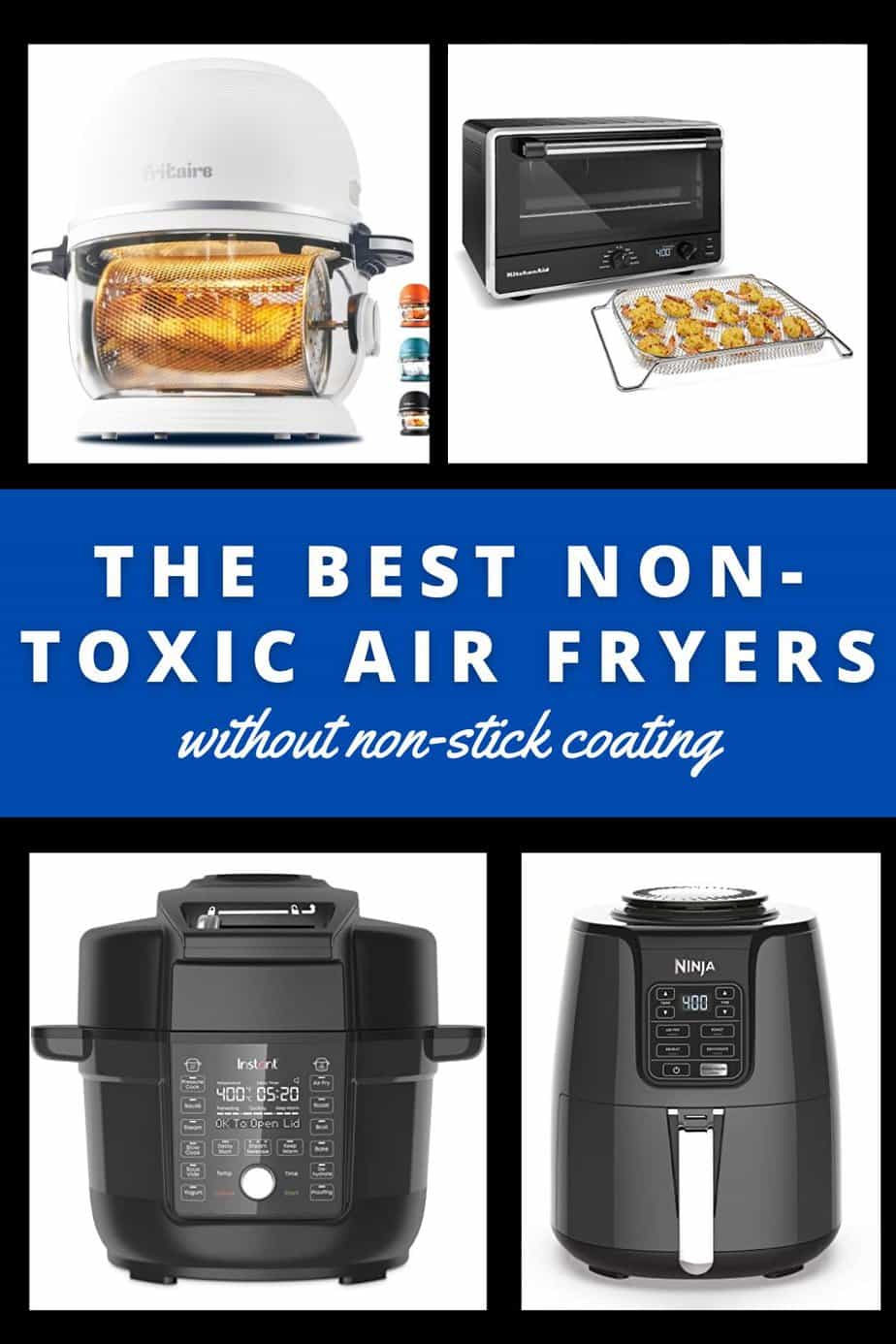
Which air fryer materials are best?
No single material is perfect for every user. Each option has benefits and limits.
PTFE nonstick coating
PTFE is smooth and easy to clean. It is generally stable at normal cooking temperatures. The drawback is that it should not be severely overheated or scratched.
Ceramic-style coating
Ceramic-style surfaces may appeal to people who want to avoid traditional PTFE. The coating can still wear down, chip, or lose its nonstick quality. “Ceramic” should not be treated as a guarantee of zero chemicals.
Stainless steel
Stainless steel is durable and does not use a traditional nonstick coating. Food may stick more, and cleanup can take longer. Some people prefer it because the cooking surface is easier to inspect.
Glass
Glass is not common in standard basket air fryers, but some countertop models use glass cooking chambers. Glass does not have a nonstick coating, yet it can break if dropped or exposed to sudden temperature changes.
When buying an air fryer, focus on clear labeling and quality control. A trusted maker that provides temperature limits, care instructions, and replacement parts is often a better choice than a very cheap model with vague material claims.
Common mistakes that may increase risk
Many concerns about why are air fryers toxic come from avoidable use errors.
One mistake is cooking food until it is very dark. More time does not always mean better texture. It can mean more smoke, more acrylamide, and more burnt residue.
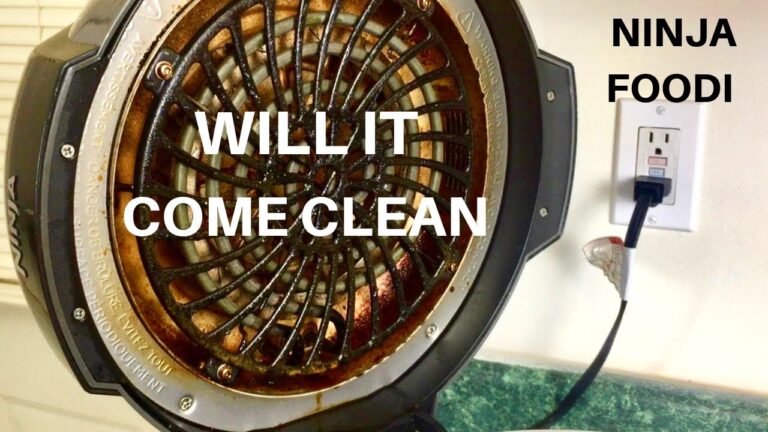
Another mistake is ignoring grease buildup. Old grease can smoke at high heat. Crumbs near the heating element can also burn and create unpleasant fumes.
A third mistake is using a damaged basket. People often keep using it because the appliance still works. The heating function may work, but the cooking surface may no longer be in good condition.
Avoid these habits:
• Running the air fryer empty for a long time
• Blocking the rear or top vents
• Using metal utensils on the basket
• Cooking fatty food without checking for smoke
• Using a basket that is peeling or rusted
• Leaving cooked food sitting in old grease
• Buying a product with no clear safety instructions
If your air fryer smokes while cooking bacon or other fatty food, stop the cycle and let it cool. Remove excess grease before trying again. A small amount of white smoke can come from hot fat, but thick smoke or a burning smell needs immediate attention.
What the research can and cannot tell us
Research supports a careful, balanced view. High-temperature cooking can create compounds such as acrylamide. Overheated nonstick materials can release fumes. Damaged appliances can create physical and fire hazards.
Research does not show that every air fryer is toxic. It also does not prove that air frying causes cancer when the appliance is used correctly. Much depends on the coating, temperature, food, cooking time, and exposure level.
Food safety agencies advise limiting burnt food and using appliances according to their instructions. Product safety regulators also issue recalls when a model has a fire, burn, electrical, or material defect. Checking recall notices is a smart step, especially with an older appliance.
There are limits to current evidence. Studies may examine one coating, one temperature, or one type of food. Real home use can be different. That is why strong claims such as “all air fryers are dangerous” or “air fryers are completely harmless” are not scientifically sound.
The most accurate answer to why are air fryers toxic is that the risks are specific, not universal. Good habits can reduce most practical concerns.
Frequently Asked Questions About Why Are Air Fryers Toxic
Why are air fryers toxic if they use less oil?
Air fryers are not automatically toxic because they use less oil. Concerns usually involve overheated coatings, damaged baskets, smoke, or acrylamide in very browned foods.
Are air fryers safe to use every day?
A quality air fryer is generally safe for regular use when you follow the manual. Use a mix of foods, avoid burning meals, clean grease often, and replace damaged parts.
Do all air fryers contain PFAS?
No. Materials vary by brand and model. Check the product information for the exact coating and look for clear statements about PFAS and PFOA.
Is air fryer plastic toxic when heated?
Food-contact plastic made for the appliance should be designed for its stated temperature range. A strong chemical odor, melting, warping, or smoke is not normal and should be investigated.
Can air fryers cause cancer?
There is no good evidence that normal use of a properly working air fryer causes cancer. However, heavily browned starchy foods can contain acrylamide, so avoid burning food and eat a varied diet.
Should I replace a scratched air fryer basket?
Replace a basket that is peeling, bubbling, flaking, or badly scratched. A replacement basket is often available from the manufacturer and is safer than continuing to use a damaged surface.
Is air frying healthier than deep frying?
Air frying often uses less added oil and may reduce calories compared with deep frying. The final meal still depends on the food, portion size, salt, and cooking time.
Conclusion
The answer to why are air fryers toxic is more measured than many online headlines suggest. Air fryers are not inherently toxic, but high heat, burnt food, damaged coatings, poor ventilation, and faulty parts can create real concerns.
Choose a well-made model, inspect the basket, keep vents clear, cook food to a light golden color, and clean grease after use. These simple steps let you enjoy the convenience of air frying while keeping avoidable risks low. Check your appliance today, replace any damaged parts, and share your air fryer safety tips in the comments.