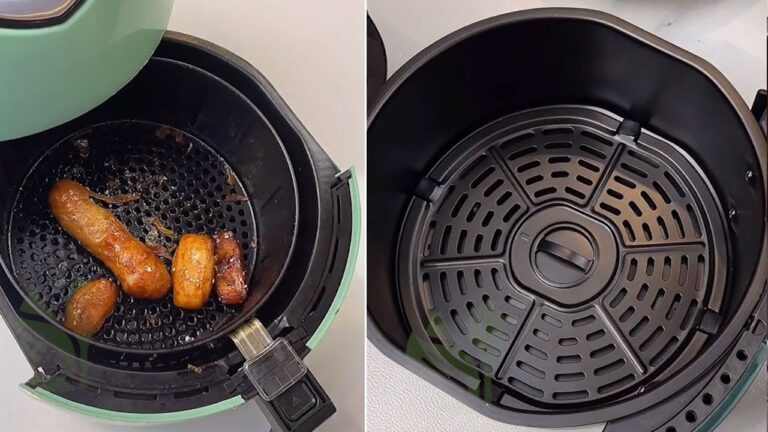
Is Food Cooked In Air Fryer Safe: What You Need To Know
Yes, food cooked in an air fryer is generally safe when you use it correctly and cook food fully.
Air fryers use hot air, not deep oil, to cook food with a crisp finish. That can lower added fat, but it does not remove every food safety concern. The real answer to “is food cooked in air fryer safe” depends on cooking temperature, food handling, appliance care, and the type of food you prepare. This guide explains the benefits, risks, safe temperatures, and common mistakes so you can use your air fryer with confidence.

Is food cooked in air fryer safe?
Yes, food cooked in an air fryer can be safe and healthy when the appliance is used as directed. An air fryer is a small convection oven. It moves very hot air around food to cook the surface and create a crisp texture.
The appliance itself does not make food safe. Safe cooking still depends on reaching the right internal temperature. For example, chicken must reach 165°F, while ground beef should reach 160°F, according to food safety guidance.
Air frying may reduce the amount of oil in foods such as potatoes, chicken wings, and vegetables. However, air-fried food can still be high in calories, sodium, or saturated fat if it is heavily breaded, processed, or served with rich sauces.
When people ask, “is food cooked in air fryer safe,” they often mean three things:
• Is the food cooked enough to kill harmful germs?
• Can air frying create harmful chemicals?
• Is the appliance safe to use every day?
The answer to all three is usually yes, with proper cooking, reasonable temperatures, and good cleaning habits.
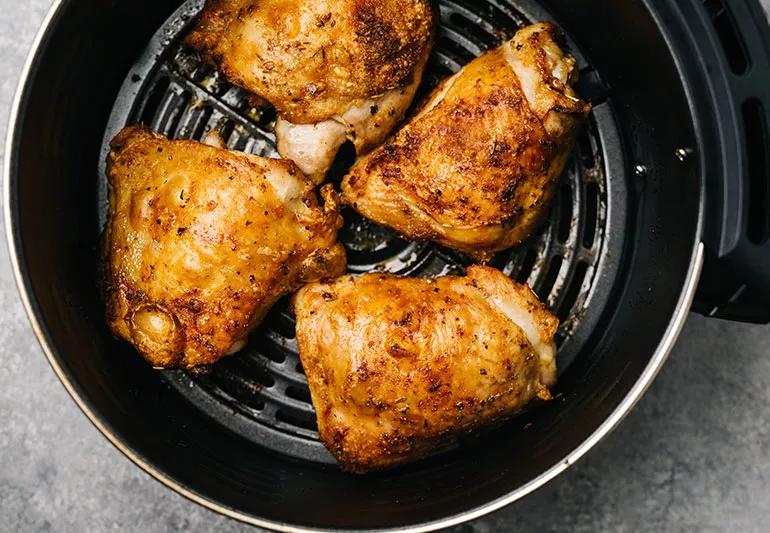
How an air fryer cooks food
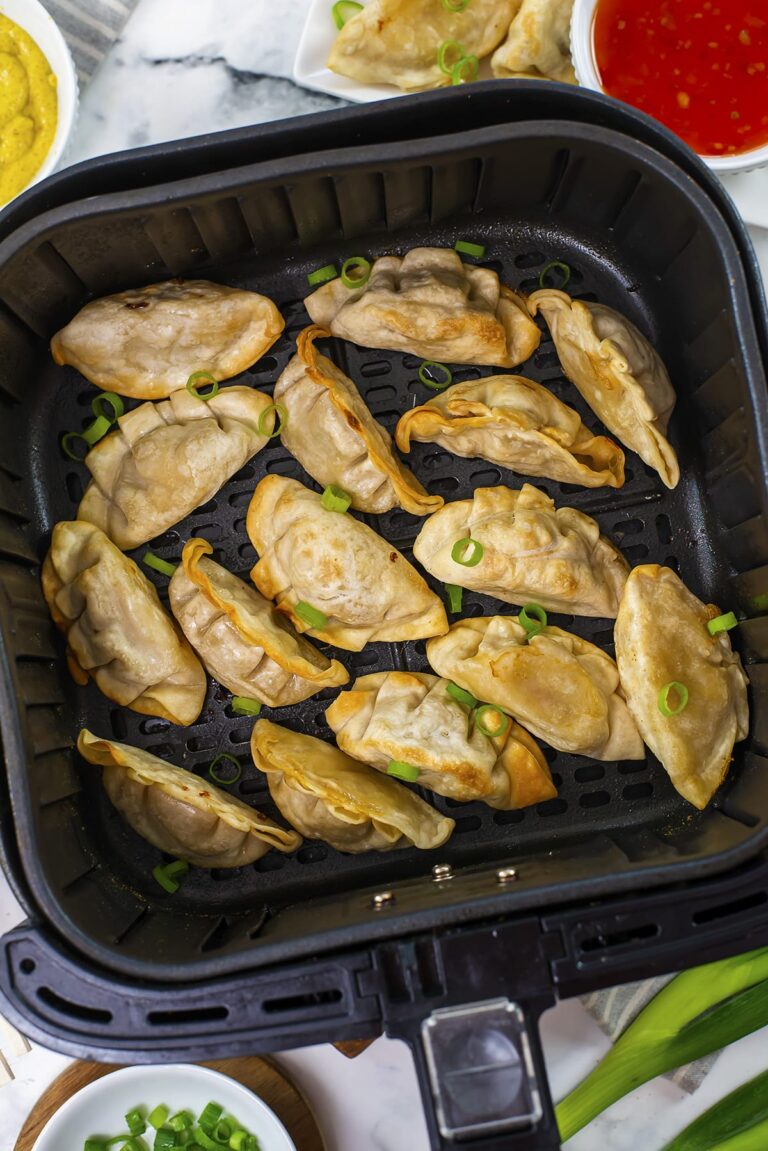
An air fryer has a heating element and a powerful fan. The heating element warms the air, and the fan moves that air around the food. This rapid airflow helps brown the outside while cooking the inside.
Unlike deep frying, air frying does not require food to be submerged in oil. You may need only a light coating or a small spray of oil. This can reduce the total fat in some recipes.
Still, an air fryer does not cook every food in the same way. Thin foods may cook fast, while thick chicken breasts or frozen meat may need much more time. A crowded basket can also block airflow and leave some areas undercooked.
In my own kitchen testing, the biggest difference comes from basket space. A single layer of food cooks far more evenly than a packed basket. I once filled the basket with too many potato wedges, and the outside browned before the centers became tender. A quick shake helped, but using two smaller batches worked better.
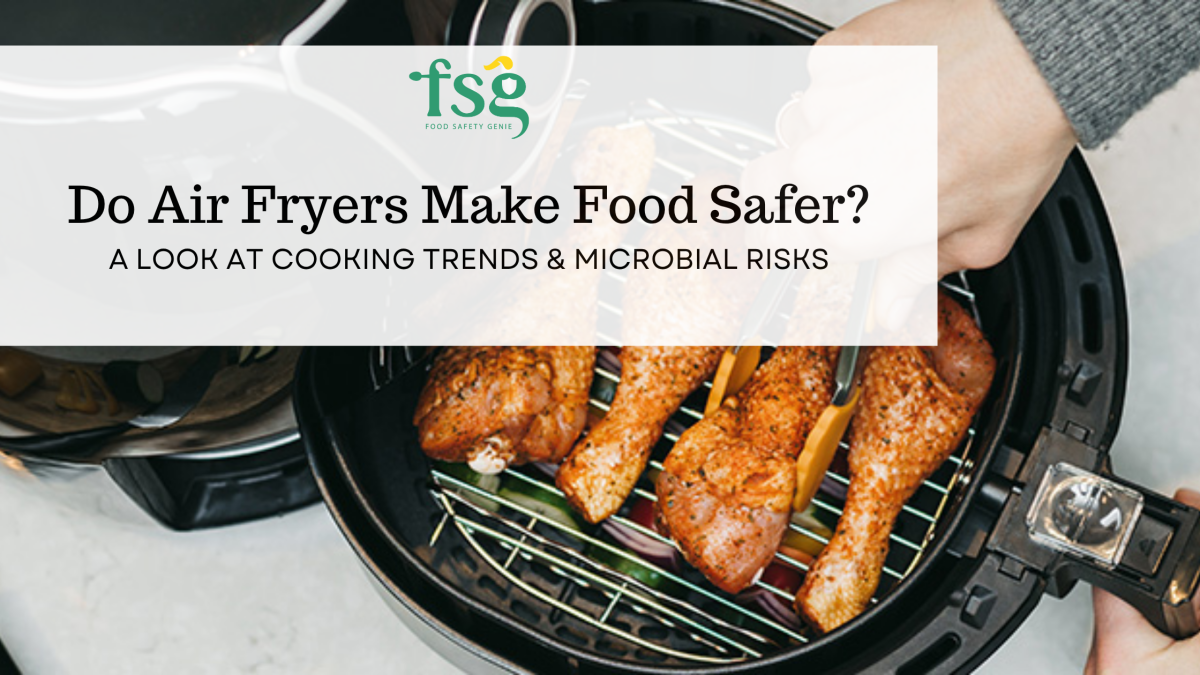
Health benefits of air-fried food
Air frying can support healthier cooking, but it is not a magic health tool. Its main advantage is that it can create a crisp texture with less oil than traditional deep frying.
Potential benefits include:
• Less added oil compared with deep frying
• Lower fat intake in some recipes
• Faster cooking than a full-size oven for small portions
• Easy preparation of vegetables, fish, poultry, and frozen foods
• Less oil splatter and fewer greasy surfaces
For example, air-fried potatoes may contain less fat than potatoes deep-fried in oil. The final nutrition still depends on the recipe, portion size, breading, salt, and dipping sauce.
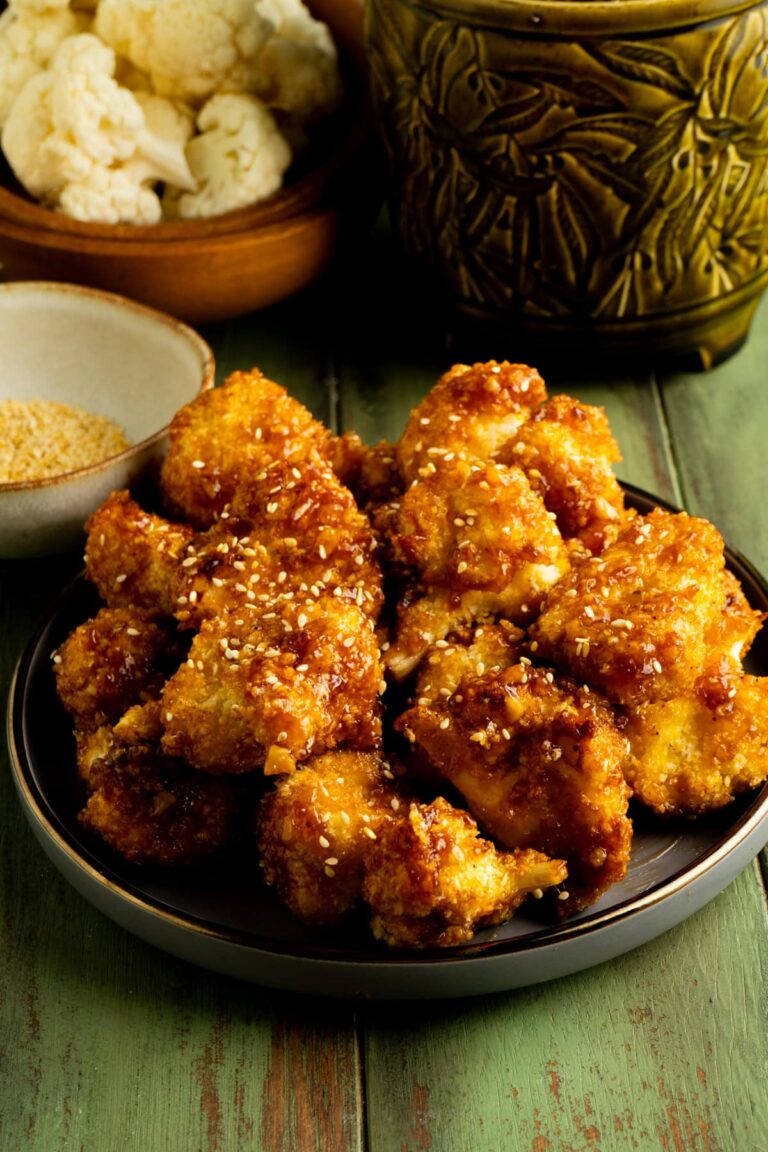
Air fryers also make vegetables more appealing to people who dislike steamed textures. Broccoli, cauliflower, green beans, carrots, and Brussels sprouts can develop browned edges while staying tender inside.
However, air frying does not turn processed food into health food. Frozen mozzarella sticks, bacon, sausage, and packaged snacks may still contain high levels of sodium and saturated fat.
:max_bytes(150000):strip_icc()/can-air-fryers-cause-cancer-5082537_V2-1c8b96f7299c42618bff639ea6a36c53.jpg)
Does air frying create harmful chemicals?
High-heat cooking can cause chemical changes in food. One concern is acrylamide, a compound that may form when starchy foods such as potatoes and bread are cooked at high temperatures. The risk is linked to browning and cooking conditions, not only to air fryers.
Research and food safety agencies advise avoiding very dark or burnt food. Light golden browning is generally preferable to deep brown or black surfaces.
You can reduce excess browning with these steps:
• Avoid cooking food longer than needed
• Use the recipe’s recommended temperature
• Shake or turn food during cooking
• Soak and dry fresh potato pieces before cooking
• Remove burnt crumbs from the basket
• Do not eat food that is blackened or charred
It is also important to understand that air frying may produce fewer harmful compounds than deep frying in some cases, but results vary by food, temperature, cooking time, and oil. No cooking method makes heavily charred food risk-free.
When considering “is food cooked in air fryer safe,” the best approach is balance. Cook food until done, but stop before it becomes burnt.
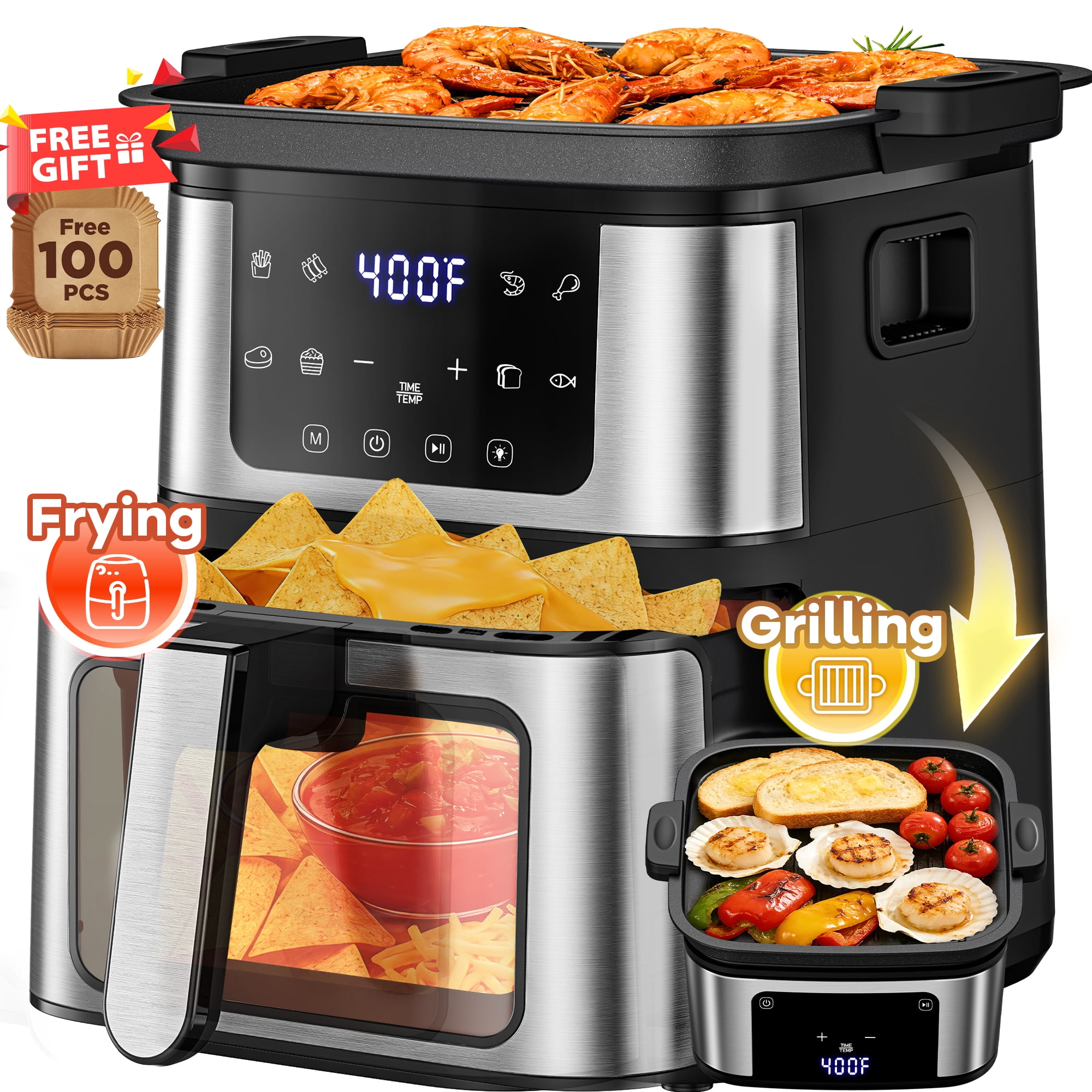
Safe internal temperatures for air fryer foods
The safest way to know whether food is done is to check its internal temperature with a food thermometer. Color and cooking time can help, but they are not reliable on their own.
Use these common minimum temperatures:
• Poultry, including chicken and turkey: 165°F
• Ground meat, including beef, pork, lamb, and veal: 160°F
• Whole cuts of beef, pork, lamb, and veal: 145°F, followed by a three-minute rest
• Fish and shellfish: 145°F
• Egg dishes: 160°F
• Leftovers and casseroles: 165°F
Place the thermometer in the thickest part of the food. Avoid touching bone, the basket, or a metal skewer, because these surfaces can give a false reading.
For frozen foods, follow the package directions but confirm that the center is hot and fully cooked. Some frozen products are already cooked, while others contain raw meat and require careful handling.
Food can look crisp outside and remain cold inside. This is one of the most important lessons about whether food cooked in an air fryer is safe.

Foods that need extra care
Some foods require more attention because they are thick, raw, frozen, or easy to cook unevenly.
Raw chicken and poultry
Chicken is safe only when the thickest part reaches 165°F. Do not rely on browned skin or clear juices as proof that it is done.
Keep raw chicken separate from ready-to-eat food. Wash your hands after handling it, and clean any plate or utensil that touched the raw meat.
Frozen meat
Frozen meat may cook unevenly in an air fryer. The outside can brown while the center remains frozen or raw. For thick pieces, thawing in the refrigerator often gives a more even result.
Fish
Fish cooks quickly and can dry out. Check it early with a thermometer. Thick fillets may need to be turned so the heat reaches both sides.
Eggs
Air fryers can cook eggs, but whole eggs in shells may crack or burst. Use a suitable recipe and avoid placing sealed containers inside the appliance unless the manual allows them.
Bacon and fatty foods
Fatty foods can release grease and smoke. Do not overfill the basket, and remove excess grease between batches. Never pour water into hot oil or grease.
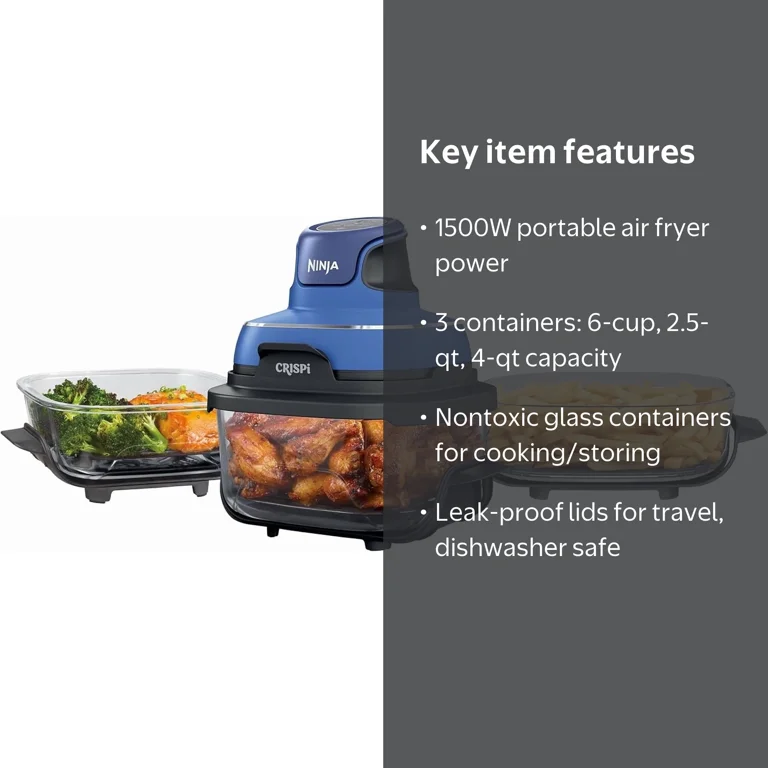
Can you use aluminum foil, parchment paper, or glass?
Many air fryer baskets can safely use perforated parchment paper or a small amount of aluminum foil. The material must not block the vents or touch the heating element.
Follow the appliance manual first. Some manufacturers allow foil but do not recommend parchment paper unless food holds it down. Loose paper can move into the heating element and burn.
Keep these rules in mind:
• Use parchment made for cooking, not wax paper
• Place paper or foil in the basket only after the food is added
• Never cover the entire basket if it blocks airflow
• Keep foil away from the heating coil
• Do not use plastic containers unless they are clearly rated for high heat
• Use oven-safe glass only when the manufacturer permits it
A common mistake is placing an empty sheet of parchment in the basket during preheating. The fan may lift it toward the heating element. This can cause smoke or fire.

Common air fryer safety mistakes
Most air fryer problems come from simple errors, not from the basic design of the appliance. Avoid these mistakes to keep food and your kitchen safe.
Overfilling the basket
A crowded basket blocks hot air. Food may cook slowly, brown unevenly, or remain raw in the center. Cook in batches when needed.
Skipping the food thermometer
Cooking time changes with food size, starting temperature, and appliance power. A thermometer is more reliable than a timer.
Using too much oil
Excess oil can drip into the bottom of the fryer and create smoke. Lightly coat food instead of pouring oil into the basket.
Ignoring smoke
Stop the appliance if you see heavy smoke. Unplug it when safe, let it cool, and check for excess grease or food debris. Never try to move a smoking appliance while it is hot.
Putting the fryer too close to a wall
Air fryers need space around their vents. Place the appliance on a stable, heat-resistant surface with clear airflow.
Leaving it unattended
Do not treat an air fryer as completely risk-free. Stay nearby, especially when cooking fatty foods or using a new recipe.
Using a damaged cord or basket
Stop using the appliance if the cord, plug, basket, or coating is damaged. Contact the manufacturer or replace the unit.
How to clean an air fryer safely
Cleaning helps prevent smoke, unpleasant odors, and the buildup of old grease. It also supports better food hygiene.
After the appliance cools:
-
Unplug the air fryer.
-
Remove the basket and tray.
-
Wash removable parts with warm, soapy water unless the manual gives different instructions.
-
Wipe the inside with a damp cloth.
-
Remove stuck food with a soft sponge.
-
Dry every part fully before using the appliance again.
Do not immerse the main electrical unit in water. Avoid harsh metal tools that can damage a nonstick coating.
If grease collects under the basket, clean it before the next use. Old grease can smoke at high temperatures and may affect the flavor of fresh food.
Regular cleaning also helps answer the question, “is food cooked in air fryer safe,” because a clean appliance reduces the chance of cross-contact between raw and cooked foods.
Tips for safer and better air frying
Use these practical habits for consistent results:
• Read the appliance manual before the first use
• Preheat only when the recipe or manual recommends it
• Cut food into similar sizes
• Leave space between pieces
• Shake the basket or turn food when needed
• Use a calibrated food thermometer
• Thaw thick meat in the refrigerator when practical
• Keep raw and cooked food on separate plates
• Clean the basket after cooking greasy foods
• Store leftovers in the refrigerator within two hours
• Reheat leftovers until they reach 165°F
Do not assume that a higher temperature always gives a better result. Very high heat may burn the outside before the center is safe. Moderate heat and enough cooking time often produce more even results.
For vegetables, a light oil coating can improve browning. For chicken, pat the skin dry before cooking. For frozen foods, avoid stacking pieces unless the recipe specifically allows it.
Is air-fried food safe to eat every day?
Air-fried food can fit into a healthy daily diet, but variety matters. Eating air-fried vegetables, fish, or small portions of lean protein is different from eating air-fried processed snacks at every meal.
A balanced plate may include:
• Half vegetables or fruit
• A quarter lean protein
• A quarter whole grains or starchy vegetables
• A small amount of healthy fat
Air frying can reduce added oil, but it does not automatically reduce salt, sugar, or calories. Read nutrition labels on packaged foods and use herbs, spices, garlic, lemon, or vinegar to add flavor without excess sodium.
People with specific health needs should consider the full recipe. Someone managing high blood pressure, diabetes, or high cholesterol may need to limit processed foods even when they are air fried.
The better question is not only “is food cooked in air fryer safe?” It is also “what food am I cooking, and how often am I eating it?”
Frequently Asked Questions About Is Food Cooked in Air Fryer Safe
Is food cooked in an air fryer healthier than deep-fried food?
Often, yes, because air frying usually uses much less oil than deep frying. However, the health value still depends on the food, breading, portion size, sodium, and cooking temperature.
Can an air fryer kill bacteria?
Yes, an air fryer can kill many harmful bacteria when food reaches a safe internal temperature. Use a food thermometer because surface browning does not prove that the center is safe.
Is food cooked in air fryer safe for children?
Yes, air-fried food can be served to children when it is fully cooked, cooled to a safe eating temperature, and cut into suitable pieces. Avoid very hard, burnt, salty, or choking-risk foods.
Can air fryers cause cancer?
There is no good evidence that normal use of an air fryer itself causes cancer. To reduce potential risks, avoid burning food, limit heavily charred items, and follow the appliance instructions.
Is it safe to put aluminum foil in an air fryer?
Usually, a small amount of foil is safe in many models, but you must follow the manufacturer’s instructions. Do not block airflow, cover the full basket, or allow foil to touch the heating element.
Can you reheat leftovers in an air fryer?
Yes, an air fryer can reheat many leftovers well. Heat them until the center reaches 165°F, and avoid leaving cooked food at room temperature for more than two hours.
Why is my air fryer food raw inside?
Raw centers often result from overcrowding, thick pieces, frozen food, or a cooking time that is too short. Cook smaller batches, turn the food, and check the center with a thermometer.
Conclusion
So, is food cooked in air fryer safe? Yes, when you cook food to the right internal temperature, avoid burning it, prevent cross-contamination, and keep the appliance clean. Air frying can reduce added oil and make healthy foods easy to prepare, but it does not replace basic food safety or balanced eating.
Start with small batches, use a food thermometer, and follow your air fryer manual. These simple habits can help you enjoy crisp, convenient meals with less worry. If this guide helped, explore more food safety resources and share your favorite safe air fryer tips in the comments.