Why Was The Air Fryer Invented: Its Fascinating History
The air fryer was invented to create crispy fried food with far less oil, less mess, and more convenience.
The story of why the air fryer was invented is more interesting than it may seem. It combines the rise of convection cooking, growing interest in lighter meals, and the simple wish to enjoy fries without standing over a deep fryer. Understanding its design also helps you use it better and avoid common cooking mistakes.
Why Was the Air Fryer Invented?
The air fryer was invented to mimic the crisp texture of deep-fried food while using much less oil. Instead of placing food in hot oil, it moves very hot air around the food at high speed.
This cooking method is called rapid air circulation. A heating element warms the air, and a powerful fan pushes that air around a food basket. The moving heat cooks the outside quickly and helps create a brown, crisp surface.
The main reasons behind the invention were:
• To reduce the amount of oil needed for frying
• To make crispy food at home with less mess
• To cook food faster than a traditional oven
• To offer a smaller alternative to a full-size convection oven
• To meet demand for simple and lighter cooking methods
So, why was the air fryer invented? The short answer is that it solved a common kitchen problem: how to get a fried texture without using a deep pan of oil.

The History Behind the Air Fryer
The modern air fryer did not appear from nowhere. Its design grew from older cooking ideas, especially convection ovens, fan ovens, and compact countertop cookers.
Convection ovens had already shown that a fan could move hot air around food. This improves heat transfer and can cook food more evenly than still air. The air fryer took that same basic idea and placed it in a smaller chamber with a strong heating system and a compact basket.
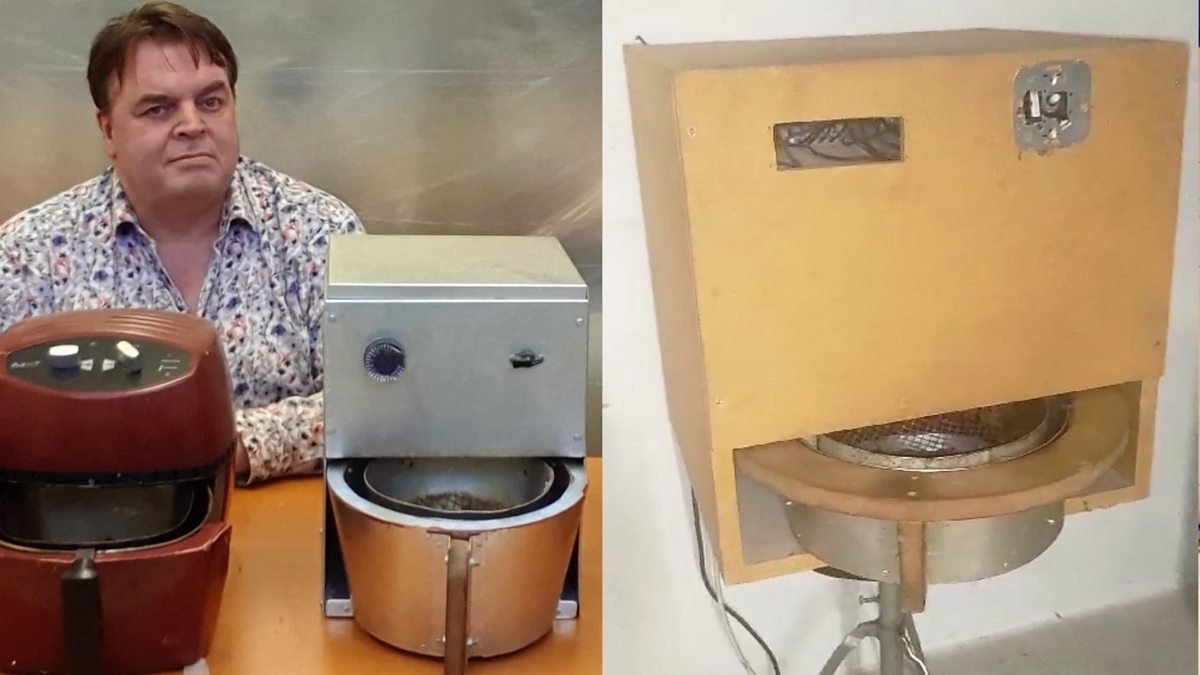
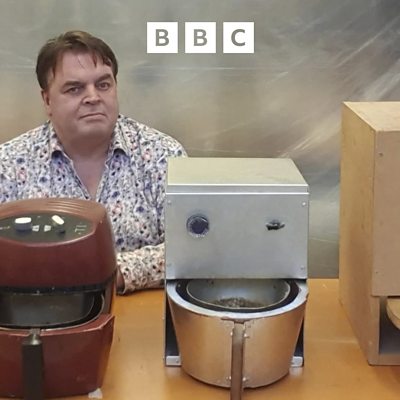
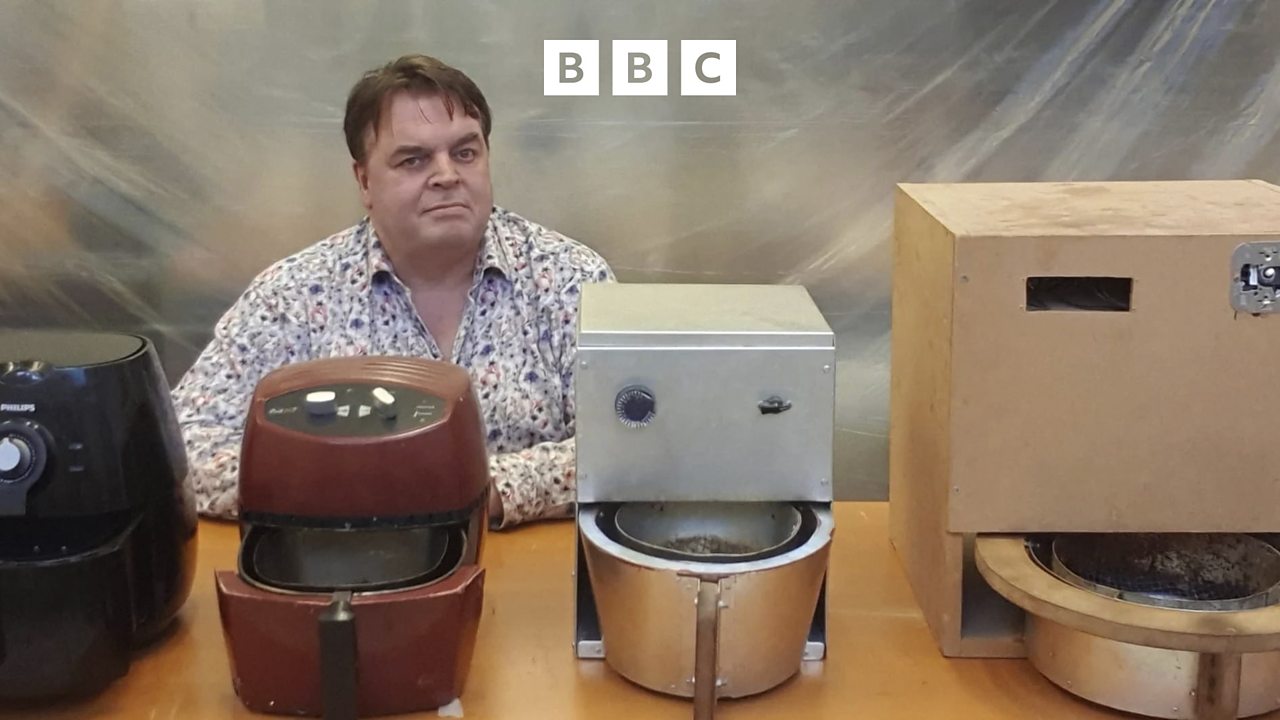
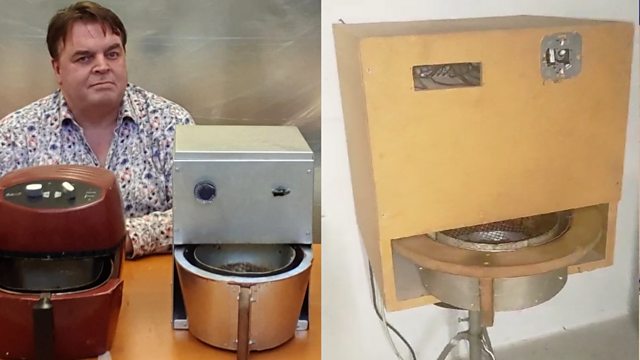
Dutch inventor Fred van der Weij is widely linked with the development of the modern air fryer. He worked on a way to cook potatoes with a crisp outside and a soft center while using very little oil. Philips later introduced a commercial air fryer at the IFA consumer electronics show in Berlin in 2010.
This history matters because it explains why the air fryer was invented as a cooking appliance, not simply as a smaller deep fryer. It was designed around air movement, controlled heat, and a shape that helped hot air reach more of the food.
Patent records and product history show that the technology was based on combining several existing ideas. The innovation was making those ideas work together in a convenient countertop appliance.
What Problem Was the Air Fryer Designed to Solve?
Deep frying gives food a familiar crunch, but it also brings several problems. It requires a large amount of oil, careful temperature control, storage for used oil, and cleanup after cooking.
Hot oil can also be intimidating. A small splash may cause burns, while overheated oil can smoke or catch fire. Many people enjoy fried food but do not want to manage a pot of oil in a busy home kitchen.
The air fryer was invented to make this process easier. It uses a small amount of oil, often just a light coating or spray. Food sits in a basket rather than sinking into oil, so the cooking process feels cleaner and simpler.
It also helps solve a time problem. A full oven may take 10 to 20 minutes to preheat, while many air fryers heat up faster. Their small cooking chamber also means less hot air must be heated.
Still, an air fryer does not create exactly the same result as deep frying. Deep-fried food is surrounded by hot oil, while air-fried food is surrounded by hot air. The texture can be excellent, but it may be slightly drier or less rich.

How Does an Air Fryer Work?
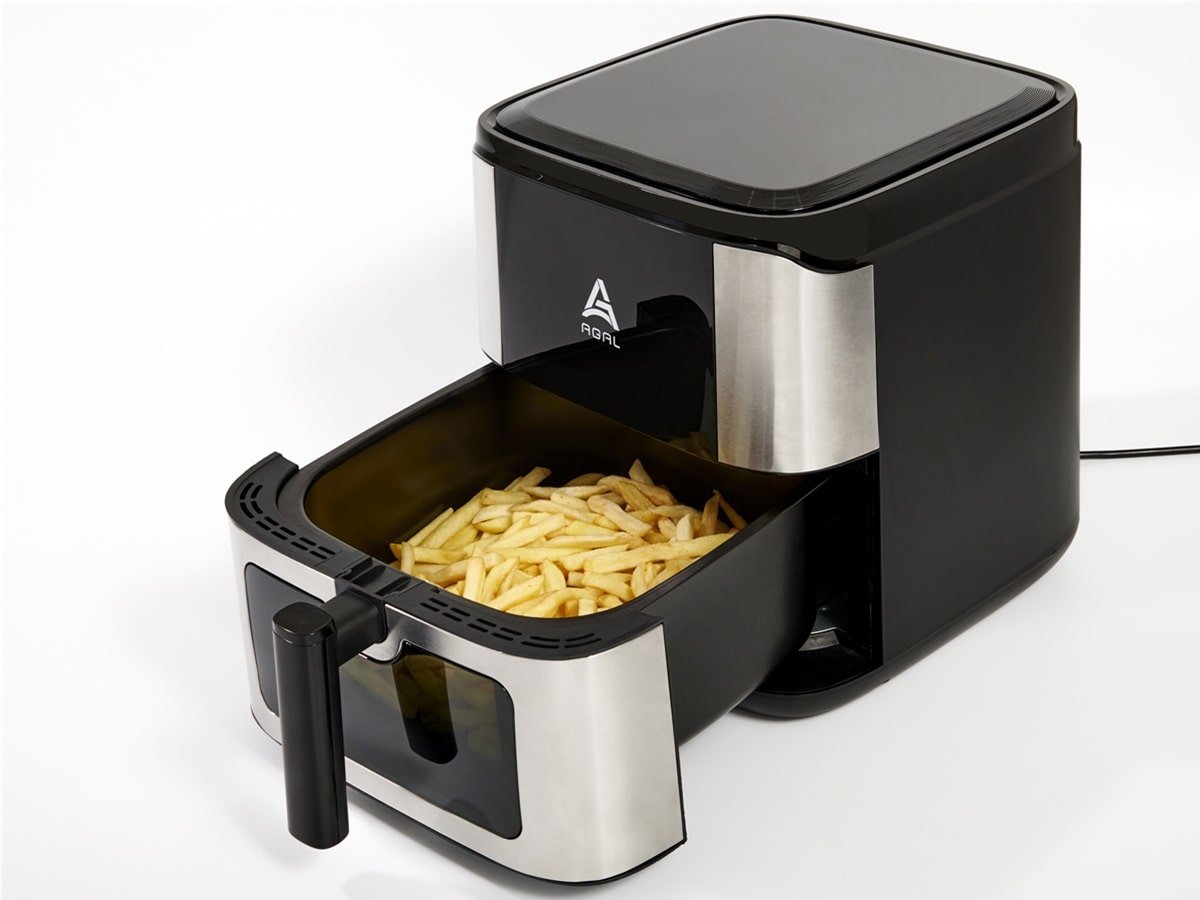
An air fryer works like a small, powerful convection oven. Its main parts include a heating element, a fan, a cooking chamber, and a perforated basket.
Here is the basic process:
-
The heating element warms the air.
-
The fan moves the hot air around the cooking chamber.
-
The basket allows air to reach the top, sides, and bottom of the food.
-
The food surface dries and browns.
-
A small amount of oil helps improve browning and crispness.
The crisp surface comes from browning reactions. One important process is the Maillard reaction, which occurs when heat changes proteins and sugars on the surface of food. This reaction creates the brown color and rich flavor found in toast, roasted potatoes, and fried foods.
The basket design is also important. If food sits in a solid pan, air cannot reach the bottom as easily. A perforated basket allows air to flow around more of the food.
This is another clue about why the air fryer was invented in its current form. The goal was not only to heat food. The goal was to create strong, directed airflow in a small space.
Why Use Less Oil?
One major reason why the air fryer was invented was to reduce oil use without removing the pleasure of crisp food. Traditional deep frying may require cups of oil. Air frying often needs only a teaspoon, a brush of oil, or a light spray.
Using less oil can lower the total calorie content of some foods. However, the health difference depends on the food itself. Air-fried vegetables can be a smart choice, but air-fried bacon, frozen snacks, or heavily processed foods are still processed or high in salt and fat.
It is also important to understand that “air fried” does not automatically mean healthy. A cooking method cannot turn every food into a balanced meal.
The best results often come from foods such as:
• Fresh or frozen vegetables
• Potatoes with a small amount of oil
• Chicken breast or chicken thighs
• Fish fillets
• Tofu
• Homemade snacks with simple ingredients
A practical lesson is to focus on the whole meal. Pair crispy air-fried food with vegetables, beans, whole grains, or a fresh salad.

Why Did the Air Fryer Become So Popular?
The invention became widely popular because it matched several modern lifestyle needs. People wanted faster meals, smaller appliances, simpler cleanup, and better control over oil.
Air fryers also fit small homes and apartments. They take up less space than a range or large convection oven. For one or two people, an air fryer may be more practical than heating a large oven.
Social media helped drive interest too. Short cooking videos showed potatoes, chicken wings, vegetables, and desserts becoming crisp in minutes. The visual results made the appliance easy to understand.
Another reason why the air fryer was invented is also why it spread so quickly: it made a familiar cooking style feel less difficult. Many people already knew what fried food tasted like. They only needed a simpler way to prepare it.
In daily use, the convenience is real. You can place food in the basket, set the temperature, and check it without handling a pan of hot oil. That simple routine works well for busy weeknights.
Air Fryer Benefits and Limitations
The air fryer offers clear benefits, but it is not perfect. Knowing both sides helps you decide when to use it.
Benefits
• Uses much less oil than deep frying
• Often cooks small portions quickly
• Produces crisp edges and browned surfaces
• Requires less cleanup than a deep fryer
• Uses less space than a full oven
• Works well for reheating foods such as pizza and fries
• Can make vegetables more appealing
Limitations
• A small basket may not feed a large family in one batch
• Crowding can make food soft instead of crisp
• Some foods dry out easily
• Wet batter may drip through the basket
• Large models can take up valuable counter space
• Results vary by brand, basket design, and food type
The biggest mistake is overcrowding. Hot air needs room to move. When food touches too closely, moisture becomes trapped and the food may steam instead of crisp.
A second mistake is using too much oil. Excess oil can drip into the base, create smoke, and make food greasy. A light coating is usually enough.
Air Fryer Versus Deep Fryer
Both appliances can produce browned and crisp food, but they do so in different ways.
A deep fryer transfers heat through hot oil. The oil surrounds the food and cooks it quickly. This often creates a very crisp and rich result.
An air fryer transfers heat through moving hot air. The food usually has a lighter finish and needs less oil. It may not match the exact texture of restaurant-style deep frying, but it is easier to use at home.
Here is a simple comparison:
| Feature | Air fryer | Deep fryer |
|---|---|---|
| Cooking medium | Hot air | Hot oil |
| Oil needed | Little oil | Large amount of oil |
| Cleanup | Usually easier | More difficult |
| Texture | Crisp and light | Very crisp and rich |
| Batch size | Often smaller | Can be larger |
| Safety concerns | Hot basket and surfaces | Hot oil and splashes |
Why was the air fryer invented instead of simply improving the deep fryer? The answer is convenience. It offers a useful middle ground between oven roasting and deep frying.
What Foods Were Air Fryers Made to Cook?
The first products were strongly associated with potatoes, especially French fries. Potatoes are a natural fit because their surface can brown while the inside stays soft.
Over time, people found that air fryers could handle much more than fries. They became useful for reheating, roasting, baking, and crisping.
Good choices include:
• French fries and potato wedges
• Chicken wings and drumsticks
• Salmon and white fish
• Brussels sprouts and broccoli
• Breaded tofu
• Mozzarella sticks and other frozen snacks
• Toasted nuts
• Small baked goods
Food size matters. Small pieces expose more surface area to the hot air, so they often crisp better than large pieces. Turning or shaking the basket halfway through cooking can also improve browning.
For fresh vegetables, dry the surface before cooking. Water can slow browning. For frozen foods, follow the package directions as a starting point, then adjust based on your air fryer.
Practical Tips for Better Air Frying
Understanding why the air fryer was invented gives you a useful cooking advantage. The appliance depends on airflow, so your habits should protect that airflow.
Try these simple tips:
• Preheat when the recipe needs fast browning.
• Keep food in a single layer when possible.
• Shake small foods halfway through cooking.
• Turn larger pieces with tongs.
• Dry wet foods before adding oil.
• Use a light oil coating instead of pouring oil into the basket.
• Check food a few minutes before the suggested time.
• Clean the basket after each use.
• Leave space around the appliance so heat can escape.
Do not use aerosol cooking sprays unless the manufacturer says they are safe for the basket. Some propellants may damage certain nonstick coatings. An oil mister or pastry brush is often a better option.
When testing a new recipe, treat the first batch as a learning batch. Record the temperature, cooking time, and food amount. Air fryers vary, so small adjustments are normal rather than a sign that you did something wrong.
Was the Air Fryer Invented for Health Reasons?
Health concerns were part of the air fryer’s appeal, but they were not the only reason why the air fryer was invented. The core goal was to create fried-style texture with less oil and less mess.
Reducing oil can reduce calories from added fat. However, the health value still depends on ingredients, portion size, sodium, and cooking temperature.
The United States Department of Agriculture recommends safe internal temperatures for meat and poultry. An air fryer should not be judged only by its crisp surface. Use a food thermometer when cooking chicken, turkey, pork, or other foods that require careful temperature control.
There is also no need to fear all browned food. Browning is a normal part of cooking. Still, avoid burning food, and do not rely on dark color alone to decide whether meat is safe.
The most accurate way to view an air fryer is as a tool. It can support healthier meals, but it does not replace smart ingredient choices.
Common Mistakes to Avoid
Many disappointing results come from using the air fryer like a deep fryer or a standard oven. It has its own rules.
Avoid these errors:
• Filling the basket to the top
• Adding wet batter without a suitable coating
• Forgetting to turn food
• Using too much oil
• Ignoring the appliance manual
• Cooking delicate foods at very high heat
• Failing to clean grease from the heating area
A crowded basket is the most common problem I see in home cooking advice. People want one large batch, but a smaller batch often cooks faster and becomes much crispier.
Another issue is trusting cooking charts too much. A chart is a guide, not a law. Food thickness, starting temperature, basket size, and appliance power all affect the final result.
Frequently Asked Questions
Why was the air fryer invented?
The air fryer was invented to make food crisp with far less oil than deep frying. It also offered faster cooking, easier cleanup, and a smaller design for home kitchens.
Who invented the modern air fryer?
Dutch inventor Fred van der Weij is widely associated with the development of the modern air fryer. Philips later introduced a commercial air fryer in 2010, helping bring the technology to consumers around the world.
Is an air fryer healthier than a deep fryer?
An air fryer can be healthier when it replaces a large amount of frying oil. However, the final meal still depends on the ingredients, portion size, salt, and cooking method.
Does an air fryer actually fry food?
An air fryer does not deep fry food because it does not submerge food in oil. It uses fast-moving hot air and a small amount of oil to create a browned, crisp surface.
Can an air fryer replace an oven?
An air fryer can replace an oven for small portions, quick roasting, reheating, and crisping. It cannot always replace a full oven when you need large capacity or several racks.
Why does food sometimes stay soft in an air fryer?
Food may stay soft when the basket is crowded, the surface is wet, or the temperature is too low. Use smaller batches, dry the food, and allow hot air to flow around each piece.
Conclusion
The air fryer was invented to bridge the gap between deep frying and oven cooking. It uses rapid hot air circulation to create crisp surfaces with less oil, less mess, and less space.
Its success comes from a simple idea: make a familiar cooking result easier for everyday people. It is not a magic health machine, but it can be a useful tool for quick meals, lighter cooking, and better kitchen control.
Start with a small batch of potatoes, vegetables, or chicken, and learn how your model behaves. Then adjust the heat, time, and oil to suit your food. Explore more air fryer recipes, share your best results, and keep experimenting with this practical countertop invention.