Where To Dispose Of Air Fryer: Safe Disposal Guide
The safest answer to where to dispose of air fryer is a local e-waste or small-appliance recycling site.
Knowing where to dispose of an air fryer helps you avoid fires, landfill waste, and improper handling of metal, plastic, and electronic parts. This guide explains your best disposal options, how to prepare the appliance, what to do with working units, and which mistakes to avoid.
Why Proper Air Fryer Disposal Matters
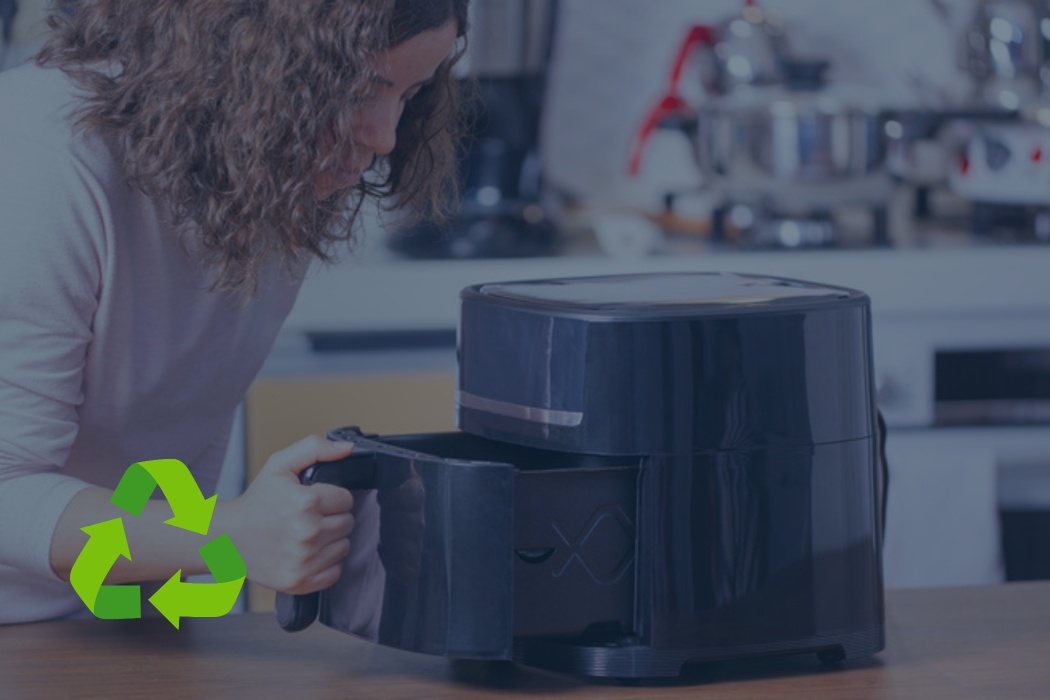
An air fryer may look like a simple kitchen appliance, but it contains several different materials. These can include steel, aluminum, plastic, wiring, circuit boards, heating parts, and a power cord.
Some models also contain digital screens, sensors, or lithium-ion batteries. These parts should not always go into a regular trash bin.
Improper disposal can cause several problems:
• Electronic parts may release harmful substances when crushed or burned.
• Loose batteries can spark fires in garbage trucks or recycling facilities.
• Valuable metals and plastics may be lost instead of reused.
• Large appliances can damage trash compactors or jam collection equipment.
The right answer to where to dispose of air fryer depends on its condition, your local rules, and the materials inside the unit. Recycling programs vary by city, so always check local instructions before placing an appliance at the curb.

Where to Dispose of Air Fryer: Best Options
1. Local electronic waste recycling center
An e-waste recycling center is often the best choice for an old air fryer. These facilities are equipped to handle small appliances, cords, circuit boards, and mixed materials.
Search your city or county website for terms such as:
• Electronic waste drop-off
• Small appliance recycling
• Household hazardous waste facility
• Residential recycling center
Call before visiting. Some centers accept air fryers only during special collection events. Others may charge a small fee for appliances with electronic components.
2. Household hazardous waste facility
Some air fryers contain electronic parts that local waste programs classify as household hazardous waste. This is more likely if the appliance has a rechargeable battery, damaged wiring, or signs of overheating.
A household hazardous waste site may accept the complete appliance. It may also direct you to another approved facility.
Do not assume that every hazardous waste center accepts kitchen appliances. Confirm the rules first, and describe the air fryer accurately when you call.
3. Appliance recycling programs
Many communities operate appliance recycling programs through municipal waste departments. These programs may accept small countertop appliances during scheduled drop-off days.
Some private recyclers also collect air fryers along with microwaves, toaster ovens, coffee makers, and blenders. Ask whether the company dismantles appliances for material recovery or simply sends them to a landfill.
When researching where to dispose of air fryer, choose a recycler that clearly explains its process and fees.
4. Retailer take-back programs
Some retailers accept old electronics or small appliances when you buy a replacement. The service may be free, limited to certain brands, or available only in selected stores.
Check the retailer’s current policy before carrying the air fryer to the store. Bring the appliance only if the program specifically accepts countertop cooking devices.
5. Manufacturer recycling programs
The manufacturer may offer a mail-back or local recycling service. Look at the company’s support page or call customer service.
This option can be useful when the air fryer has a built-in battery or unusual electronic parts. The manufacturer can often tell you how to package and ship it safely.
6. Local transfer station or landfill
A transfer station may accept an air fryer, but this should be a last resort. Some stations separate appliances for recycling, while others send them directly to disposal.
Ask these questions before you go:
• Is the air fryer recycled or buried in a landfill?
• Are small appliances accepted?
• Is there a disposal fee?
• Should the cord remain attached?
If recycling is available, use it instead of ordinary trash disposal.

How to Prepare an Air Fryer for Disposal
Preparation makes disposal safer and easier. It also prevents food residue, grease, and loose parts from causing problems at a recycling facility.
Follow these steps:
-
Unplug the air fryer and let it cool completely.
-
Remove the basket, tray, rack, and other detachable pieces.
-
Wash away food and grease with warm water and mild dish soap.
-
Dry every part fully before packing or transporting it.
-
Check the manual for battery information.
-
Remove only batteries that the manufacturer says are user-removable.
-
Tape the loose power cord to the body of the appliance.
-
Place small loose parts inside the basket so they stay together.
-
Put the appliance in a sturdy box or reusable container.
-
Label the box if the recycling facility requests it.
Never cut the power cord. A cut cord creates a sharp hazard and can make recycling harder.
If the air fryer smells like burning plastic, has melted wiring, or shows signs of a short circuit, do not plug it in again. Keep it away from flammable items and ask the recycling facility for handling instructions.

What to Do With a Working Air Fryer
Recycling is not always the best answer to where to dispose of air fryer if the unit still works safely. Reuse keeps the appliance in service and avoids the energy needed to process its materials.
Consider these options:
• Donate it to a charity thrift store.
• Offer it through a local free-goods group.
• Give it to a friend, neighbor, or family member.
• Sell it through a local marketplace.
• Return it through a manufacturer trade-in program.
Clean the basket and interior before donating or selling it. Include the manual, accessories, and original cord if possible.
Be honest about the appliance’s condition. Mention its age, brand, capacity, and any faults. Do not give away an air fryer with damaged wiring, a broken plug, a cracked heating element, or a history of overheating.
A working appliance can serve another household, but safety comes first.

Can You Put an Air Fryer in the Trash?
In some areas, a completely empty and undamaged air fryer may be accepted in regular trash. However, local waste rules differ, and many trash services prefer that small appliances go to an e-waste or recycling facility.
Do not place an air fryer in the trash when:
• It contains a rechargeable battery.
• The cord or plug is damaged.
• The unit is wet or leaking.
• It has burned, melted, or swollen parts.
• Your local waste service prohibits electronic appliances.
Never put an air fryer in a recycling bin meant for paper, cans, bottles, and cardboard. The appliance can damage sorting machinery and does not belong in curbside mixed recycling unless your program specifically allows it.
The safest answer to where to dispose of air fryer is still an approved small-appliance or electronics recycling program.
How to Handle an Air Fryer With a Battery
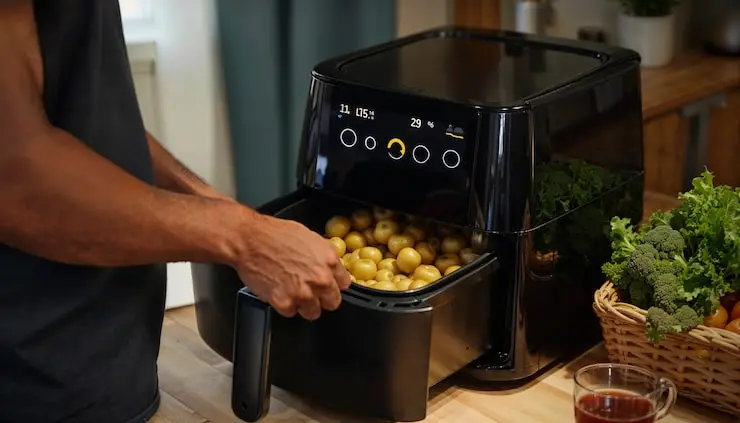
Most basic air fryers plug into a wall outlet and do not contain a battery. Some modern or portable models may include a rechargeable lithium-ion battery.
Look for signs of a battery in the manual, product label, or charging port. Do not open the appliance to search for one.
If the air fryer contains a removable battery:
• Follow the manufacturer’s removal instructions.
• Cover the battery terminals with nonconductive tape.
• Keep the battery away from keys, coins, and other metal objects.
• Take it to a battery recycling collection point.
• Keep damaged, swollen, hot, or leaking batteries outside and away from buildings if it is safe to do so.
Do not place lithium-ion batteries in household trash or curbside recycling. They can ignite when compacted or damaged.
If the battery is built in, take the entire air fryer to an e-waste facility and tell staff that it contains a rechargeable battery.

Common Mistakes to Avoid
When people ask where to dispose of air fryer, they often focus only on the appliance itself. Small details can affect safety and recycling success.
Avoid these mistakes:
Putting it in a recycling bin
A curbside recycling bin is not the same as an e-waste collection point. Air fryers can contain mixed materials that standard sorting lines cannot process.
Leaving food and grease inside
Old food attracts pests and creates unpleasant odors. Grease can also contaminate other recyclable materials.
Donating a dangerous appliance
A working air fryer is useful. A damaged one is a safety risk. Test only appliances that show no signs of electrical or heat damage.
Leaving it beside the curb without checking
Some waste services collect appliances only by appointment. An unapproved item may remain outside, become damaged, or violate local rules.
Burning or dismantling it at home
Burning plastic releases toxic smoke. Opening the appliance can expose you to sharp metal, stored electrical energy, or damaged wiring.
Mailing it without checking the rules
Shipping companies and recycling programs may restrict batteries and damaged electronics. Get instructions before packing the unit.
One lesson I have learned from helping with appliance cleanouts is that rushing creates the most problems. A quick call to the waste department often prevents a rejected load, an unexpected fee, or an unsafe handoff.

How to Find a Local Disposal Site
Use a simple research process to find where to dispose of air fryer in your area:
-
Search your city, county, or state waste website.
-
Look for “e-waste,” “small appliance recycling,” or “household hazardous waste.”
-
Check whether the program accepts countertop cooking appliances.
-
Confirm the drop-off address and operating hours.
-
Ask about fees and appointment rules.
-
Explain whether the air fryer works and whether it contains a battery.
-
Follow the facility’s instructions for cleaning and transport.
You can also call your regular trash company. Waste staff can usually explain whether the appliance belongs in trash, bulky waste, e-waste, or a scheduled collection program.
Rules change over time. A reliable answer should come from your current local program, not from a general disposal list written for another state.
Environmental Benefits of Recycling an Air Fryer
Recycling an air fryer helps recover materials that can be used again. Metals such as steel, copper, and aluminum have value in manufacturing. Some plastics may also be sorted and processed into new products.
Proper recycling can also reduce the chance that electronic components will be burned, crushed, or buried without controls. The benefit depends on the facility and its actual process, so ask whether it recycles or transfers the appliance.
Reuse is usually an even better first step when the air fryer works safely. Donation extends the product’s useful life and may help someone obtain a needed kitchen appliance at a lower cost.
Still, recycling is the responsible choice for an appliance that no longer works. Do not keep a hazardous unit in service simply to avoid disposal.
Frequently Asked Questions About Where to Dispose of Air Fryer
Where is the best place to dispose of an air fryer?
The best place is usually a local e-waste center, small-appliance recycling site, or household hazardous waste facility. Call first to confirm that the location accepts air fryers.
Can I put an air fryer in my regular trash?
Local rules decide this, but regular trash is not the preferred option when recycling is available. Never place an air fryer in the trash if it contains a rechargeable battery or has damaged wiring.
Can I put an air fryer in curbside recycling?
Usually, no. Standard curbside recycling programs are designed for items such as cans, bottles, paper, and cardboard, not small electronic appliances.
Should I donate an old air fryer?
You can donate an air fryer if it works safely, has an intact cord, and is clean. Do not donate an appliance that smells burned, overheats, sparks, or has melted parts.
Do I need to remove the air fryer battery before recycling?
Only remove a battery if it is designed to be removed and the manufacturer provides safe instructions. A built-in battery should be handled by an e-waste facility.
Can a retailer recycle my old air fryer?
Some retailers offer take-back or trade-in programs, but acceptance rules vary. Contact the store before visiting and ask whether small countertop appliances are included.
What should I do with a broken air fryer?
Unplug it and take it to an approved e-waste or appliance recycling facility. Do not repair, burn, dismantle, or donate a unit with electrical or heat damage unless a qualified technician confirms it is safe.
Conclusion
The right answer to where to dispose of air fryer usually starts with an e-waste recycler, appliance recycling center, or local household hazardous waste program. A working unit may be donated or sold, while a damaged appliance should go to a qualified facility.
Clean the appliance, check for batteries, secure the cord, and confirm local rules before transport. Take a few minutes to contact your city waste department or a trusted recycler, then make the safer choice for your home and community.