What Is The Most Non Toxic Air Fryer: Safe Buying Guide
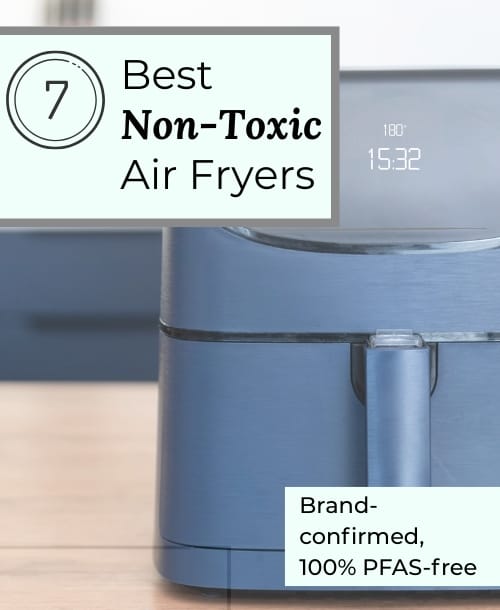
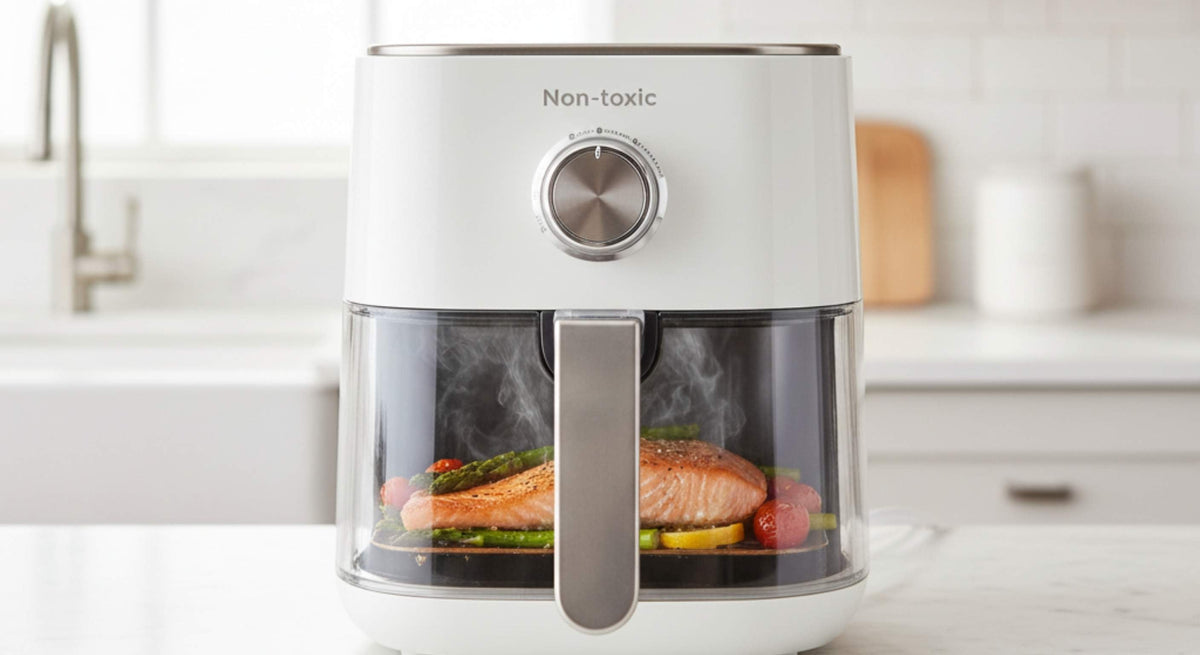
The most non toxic air fryer uses uncoated stainless steel or heat safe glass with no PFAS coating.
Finding the most non toxic air fryer takes more than choosing a model labeled “PFOA-free.” You also need to check the basket, cooking chamber, accessories, plastic parts, temperature limits, and cleaning instructions. This guide explains which materials are safest, what claims to question, and how to choose an air fryer that supports healthier cooking without making promises manufacturers cannot prove.
What Makes an Air Fryer Non Toxic?
A non toxic air fryer should use food contact materials that remain stable during normal cooking. The best choices are usually uncoated stainless steel, borosilicate glass, or certified ceramic surfaces made without PFAS, PTFE, lead, and cadmium.
No air fryer is completely free from every possible chemical. Most appliances contain wires, insulation, adhesives, and plastic parts that do not touch food. The goal is to reduce direct food contact with materials that may release unwanted compounds when scratched, overheated, or poorly made.
The most non toxic air fryer is therefore not a special medical product. It is an appliance with a simple design, clear material information, and strong safety testing.
Important features include:
• Uncoated stainless steel cooking racks or baskets
• Glass cooking chambers made for high heat
• No PFAS, PTFE, PFOA, lead, or cadmium in food contact surfaces
• Heat-resistant silicone used only where needed
• Minimal plastic inside the cooking area
• Clear instructions for temperature, cleaning, and replacement parts
• Independent safety certification, such as UL, ETL, or CSA
The Safest Air Fryer Materials
Material matters because the basket and tray touch food while the appliance heats air to high temperatures. A good material should resist corrosion, remain stable, and avoid flaking into meals.
Uncoated stainless steel
Uncoated stainless steel is one of the best options for an air fryer basket. It does not rely on a synthetic nonstick layer, so it cannot peel or flake like a damaged coating.
Look for food-grade stainless steel, such as 304 stainless steel. Some products use 316 stainless steel, which offers stronger corrosion resistance but may cost more. Stainless steel can still discolor over time, but discoloration is not the same as toxic contamination.
The main drawback is sticking. Foods such as chicken wings or melted cheese may cling to the surface. A light coating of cooking oil and a silicone or wood utensil can help.
Borosilicate glass
Heat-safe glass is another strong choice. Borosilicate glass handles temperature changes better than ordinary glass and does not need a nonstick coating.
A glass bowl also lets you see the food as it cooks. This can reduce overcooking, which is useful because very dark or burned food may contain more acrylamide and other heat-related compounds.
Glass is not perfect. It can break if dropped, exposed to a sudden temperature change, or used against the manufacturer’s instructions. Always check that the bowl is designed for air fryer temperatures.
Ceramic coatings
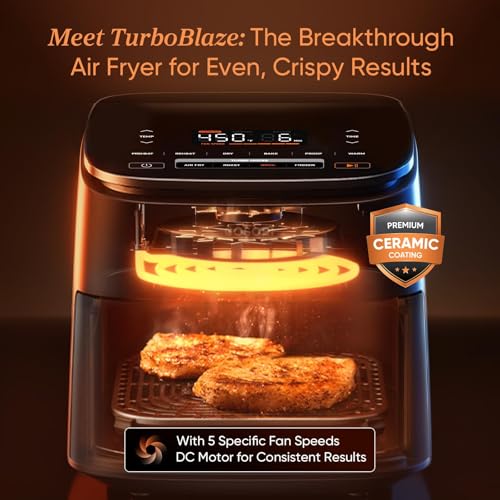
Ceramic-coated baskets can be a reasonable choice, but the word “ceramic” needs careful reading. Many ceramic-style coatings are thin layers applied over metal. They are not solid ceramic.
Some brands state that their coatings are free from PFAS, PTFE, PFOA, lead, and cadmium. Those claims are helpful, but they should be supported by clear testing or certification. A ceramic coating can also scratch and wear with time.
The most non toxic air fryer may use a ceramic coating when an uncoated basket is not available. Still, stainless steel or glass is easier to evaluate because there is no coating layer to wear away.
Silicone
Food-grade silicone is common in handles, seals, and small accessories. High-quality silicone is generally stable at normal air fryer temperatures.
Avoid cheap accessories with strong chemical odors. Do not use silicone liners above their listed temperature limit. Silicone should also be used as directed because direct contact with heating elements may cause damage.
Plastic
Plastic is not automatically dangerous. Many air fryers use heat-resistant plastic on the outside, where it does not touch food or high heat.
The concern is plastic placed near the heating element or inside the cooking chamber. Choose a model that keeps plastic away from direct heat and clearly identifies its food contact materials.

Is PFAS-Free the Same as Non Toxic?
No. PFAS-free is useful, but it is only one part of the safety picture.
PFAS is a large family of chemicals. PTFE, often known by the brand name Teflon, belongs to the fluoropolymer group associated with PFAS chemistry. PFOA is a different chemical that was historically used in some manufacturing processes and has been phased out in many places.
A product labeled “PFOA-free” may still contain PTFE or another fluoropolymer. This is why the most non toxic air fryer should be labeled free of both PFAS and PTFE when you want to avoid fluoropolymer coatings.
You should also look for information about:
• Lead and cadmium in pigments, coatings, and metal parts
• BPA and other bisphenols in plastic components
• Formaldehyde or strong solvents in low-quality materials
• Food contact compliance in the country where the product is sold
Manufacturers do not always disclose every material in a short product listing. If the brand will not explain what touches your food, choose a more transparent model.
Can Air Fryer Coatings Release Toxic Fumes?
Most modern nonstick air fryers are designed for normal cooking temperatures. When used correctly, a PTFE-coated basket is not expected to release harmful fumes at typical air frying temperatures.
The risk rises when the coating is severely overheated, especially when an empty pan is heated to extreme temperatures. PTFE can begin to break down at temperatures far above normal cooking ranges, but exact limits depend on the product, surface condition, and heating pattern.
Bird owners should take extra care. Heated fluoropolymer fumes can be especially dangerous to birds because of their sensitive respiratory systems. A stainless steel or glass air fryer is a sensible choice in homes with pet birds.
Avoid these habits:
• Running the appliance empty for long periods
• Using temperatures beyond the manual’s limit
• Covering vents or blocking air circulation
• Continuing to use a basket with peeling or blistered coating
• Scrubbing a coated basket with steel wool
• Placing oil, parchment, or liners directly on the heating element
If a coating smells strongly, smokes, blisters, or flakes, stop using the appliance. Replace the basket or the entire unit rather than trying to repair the surface.

What Is the Most Non Toxic Air Fryer Design?
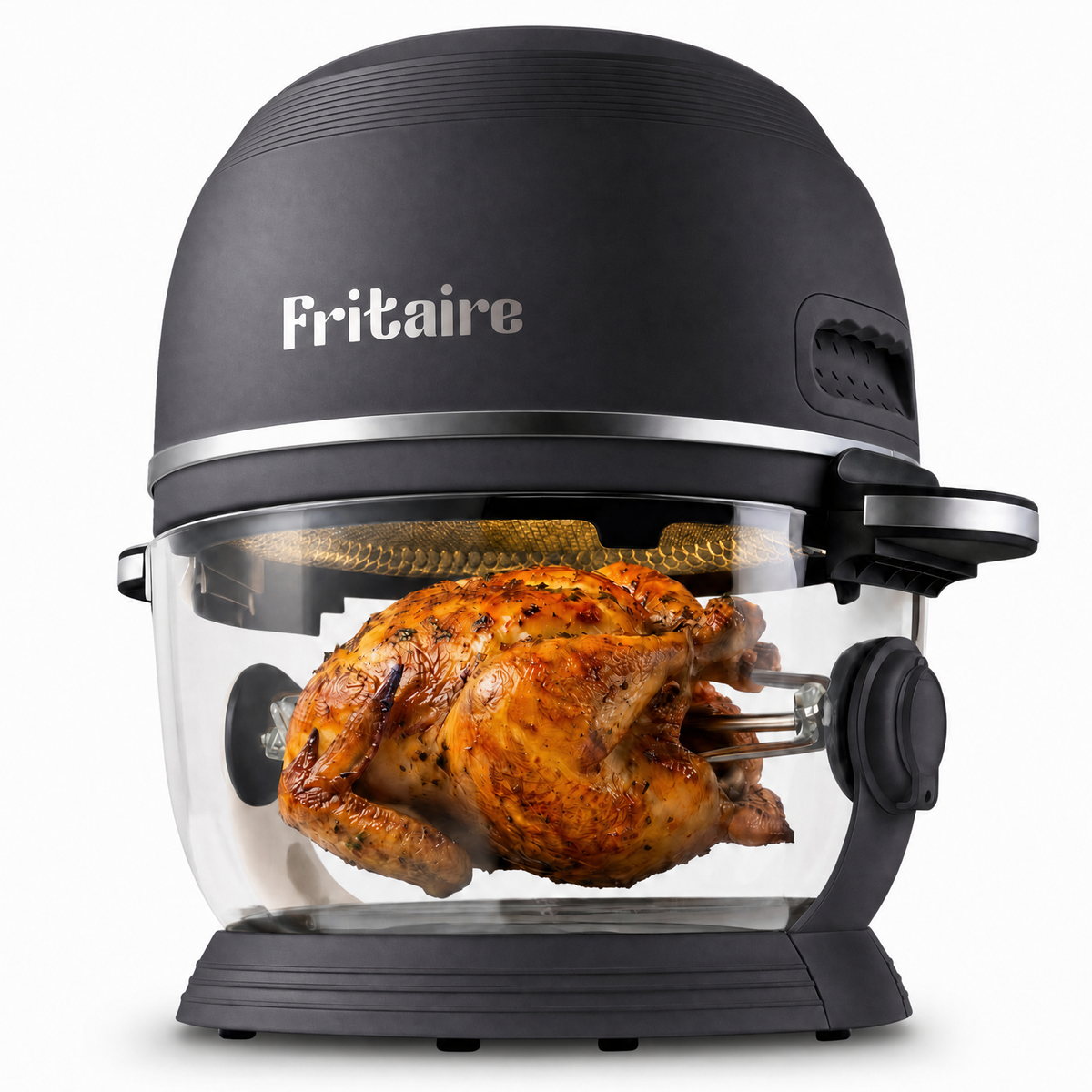
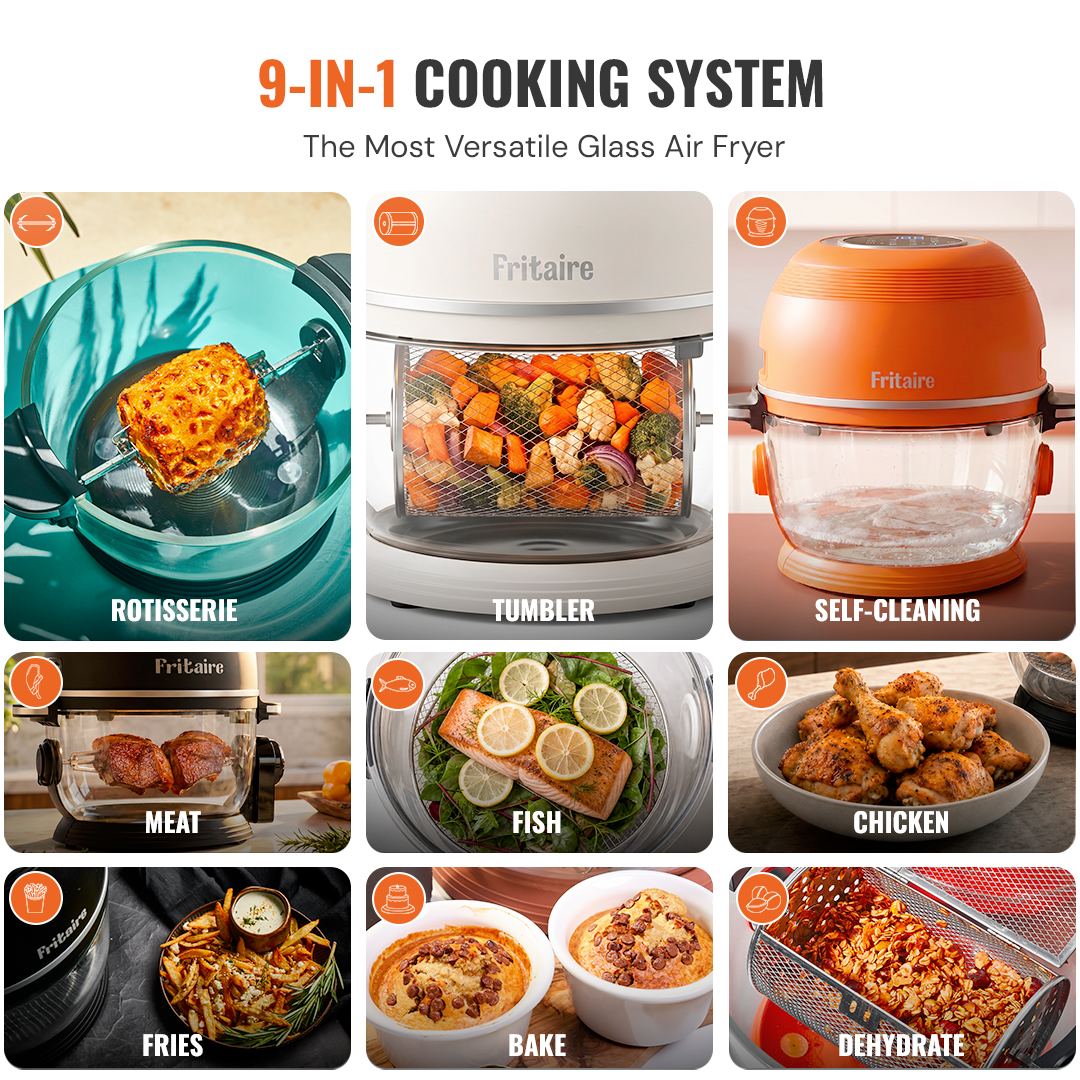
The safest design for many households is a glass air fryer with stainless steel racks and a stainless steel heating area. This setup reduces the amount of coating that touches food and makes the cooking surface easy to inspect.
A close second is an air fryer made entirely with uncoated stainless steel inside. These models are durable and simple, but food may stick more easily.
When comparing products, examine the interior rather than the outside color or marketing language. A sleek black appliance may still have a coated basket, while a plain-looking model may use better materials.
Use this checklist:
-
Check whether the basket is coated or uncoated.
-
Confirm whether the tray is stainless steel, glass, or ceramic-coated metal.
-
Search the manual for the maximum temperature.
-
Look for statements about PFAS, PTFE, PFOA, lead, and cadmium.
-
Check whether replacement baskets are available.
-
Confirm that the appliance has UL, ETL, or CSA certification.
-
Read cleaning instructions before buying.
-
Avoid products with vague claims such as “healthy coating” or “natural nonstick.”
The most non toxic air fryer should also have a stable base, strong handles, reliable temperature control, and good ventilation. Material safety matters, but so does basic electrical safety.

Best Types of Non Toxic Air Fryers
Different designs suit different homes. The right choice depends on how often you cook, how much counter space you have, and how strongly you want to avoid coatings.
Glass bowl air fryers
Glass bowl models are appealing because the food sits in a visible, heat-safe chamber. Many use stainless steel racks or trays instead of a coated basket.
They can be heavier and less compact than drawer models. The glass may also need careful handling. If you want the most non toxic air fryer and do not mind a larger footprint, this design deserves close attention.
Stainless steel basket air fryers
These models use a metal basket, tray, or interior chamber. They are usually the easiest to assess because you can see whether a coating is present.
Food may stick, especially when cooking fish, eggs, or cheese. Parchment made for air fryers can help, but it must be weighed down by food and kept away from the heating element.
Ceramic-coated air fryers
Ceramic-coated models often offer easier release than stainless steel. They may be suitable when the coating is clearly documented as free from PFAS, PTFE, lead, and cadmium.
Treat the basket gently. Even a safer coating can wear out if you use metal tools, abrasive cleaners, or high heat for long periods.
Toaster oven air fryers
Air fryer toaster ovens often use stainless steel racks and a metal tray. They provide more space and may replace several appliances.
The tradeoff is that crumbs and grease can collect near the heating elements. Clean the interior often, and never cover the oven floor or ventilation openings unless the manual specifically allows it.
How to Choose the Most Non Toxic Air Fryer
A good buying decision starts with the food contact surface. Do not begin with the number of presets or the color of the appliance.
Use these steps:
1. Identify every food contact material
Find out what the basket, tray, rack, rotisserie parts, and crumb tray are made from. The phrase “nonstick basket” does not tell you whether it is PTFE, ceramic, or another coating.
2. Read the full product manual
The manual often contains more useful details than the product page. Look for temperature limits, cleaning rules, replacement guidance, and warnings about empty heating.
3. Prefer clear brand disclosures
Trust brands that explain their materials in plain language. Be cautious when a listing only says “chemical-free,” “healthy,” or “eco-friendly” without test details.
4. Check independent safety certification
UL, ETL, and CSA marks relate mainly to electrical safety, not proof that every surface is free from chemicals. Still, certification is an important sign that the product has passed recognized safety tests.
5. Consider long-term maintenance
A basket that is safe on day one may not remain useful if its coating peels after six months. Stainless steel and glass usually offer a longer service life because they do not depend on a thin nonstick layer.
6. Choose the right size
Overcrowding causes uneven cooking. It may also tempt you to use higher heat or longer cooking times. Choose a capacity that allows food to sit in a loose layer.
:max_bytes(150000):strip_icc()/faw-one-off-ninja-air-fryer-deal-tout-8a624663aad74a58bd14babed0d8e2bd.jpg)
How to Use an Air Fryer More Safely
Even the most non toxic air fryer needs proper care. Safe materials cannot compensate for blocked vents, damaged cords, or a basket covered in old grease.
Follow these habits:
• Wash new parts before first use
• Run the appliance according to the manual’s first-use instructions
• Keep the unit on a stable, heat-resistant surface
• Leave space around the vents
• Never cover the heating element
• Use wooden, silicone, or nylon tools on coated surfaces
• Replace damaged baskets and trays
• Clean grease after each use
• Do not use abrasive powders on ceramic or nonstick coatings
• Allow glass parts to cool before washing
It is also wise to avoid charring food. Air frying can reduce the need for deep oil, but it does not remove all heat-related compounds. Cook potatoes until golden rather than dark brown, and follow safe cooking temperatures for meat.
A practical lesson from comparing kitchen appliances is that simple care often matters more than a long list of features. A basic stainless steel model that is cleaned well may serve you better than a premium model with a fragile coating.
Common Mistakes to Avoid
Many buyers focus on the phrase “PFOA-free.” That label can create a false sense of security if the product still uses PTFE or does not explain its other food contact materials.
Other common mistakes include:
• Assuming “ceramic” means the basket is solid ceramic
• Believing stainless steel never sticks or stains
• Using metal tools on a coated basket
• Placing loose parchment paper in an empty basket
• Buying unverified accessories that touch the food
• Ignoring a strong chemical smell
• Using a damaged appliance because it still turns on
• Overfilling the basket and extending cooking time
• Trusting online reviews that discuss performance but not materials
A review can tell you whether fries turn crisp. It usually cannot prove what a coating contains. For material questions, the manufacturer’s documentation and independent testing are more useful.
Frequently Asked Questions About the Most Non Toxic Air Fryer
What is the most non toxic air fryer material?
Uncoated stainless steel and heat-safe borosilicate glass are among the best choices. They avoid the need for a synthetic nonstick coating and are easier to inspect for damage.
Are stainless steel air fryers safer than nonstick air fryers?
Stainless steel avoids concerns about a coating peeling or breaking down. A properly used nonstick air fryer can still be safe, but stainless steel is often the better choice for people who want to minimize coated food contact surfaces.
Is a ceramic air fryer free from toxic chemicals?
Not always. Ceramic air fryers commonly use a ceramic-style coating over metal, so check whether the brand confirms that it is free from PFAS, PTFE, lead, and cadmium.
Do air fryers contain PFAS?
Some air fryers may use fluoropolymer nonstick coatings, while others use stainless steel, glass, or ceramic-style surfaces. Check the product description and manual for both “PFAS-free” and “PTFE-free” statements.
Can an air fryer cause cancer?
There is no evidence that normal use of a properly functioning air fryer automatically causes cancer. Health concerns are more closely linked to damaged coatings, extreme overheating, smoke, and regularly eating heavily charred food.
Is an air fryer safer than deep frying?
Air frying usually uses much less oil than deep frying. It can lower calorie intake and reduce exposure to hot oil, but the final health benefit depends on the food, cooking time, temperature, and amount of browning.
How often should an air fryer basket be replaced?
Replace it when the coating peels, bubbles, flakes, or becomes deeply scratched. An uncoated stainless steel basket may last much longer, but it should still be replaced if it warps, cracks, or develops unsafe damage.
Conclusion
The most non toxic air fryer is usually a model with an uncoated stainless steel basket, a heat-safe glass bowl, or a clearly tested ceramic surface free from PFAS and PTFE. No appliance can promise zero chemical exposure, but you can make a safer choice by checking food contact materials, avoiding vague marketing claims, and following the care instructions.
Prioritize transparency over flashy features. Compare the basket, tray, interior, temperature limits, safety certification, and replacement options before you buy. If this guide helped, use the checklist when comparing models and share your own air fryer experience in the comments.