What Can You Air Fry: Easy Foods To Try
You can air fry fresh and frozen foods, meat, seafood, vegetables, baked goods, reheated leftovers, and many ready-to-cook items. An air fryer is a small convection oven. It moves hot air around food to brown the surface and cook the center with little or no added oil.
For cooks in the United States, an air fryer can replace an oven, toaster oven, skillet, or deep fryer for many small batches. It works best when food has space around it and when you turn or shake it during cooking.

What Foods Can You Air Fry?
You can air fry foods that benefit from dry heat and surface browning. This includes fresh ingredients, frozen foods, breaded items, and some baked dishes.
Common air-fryer foods include:
- Chicken wings, thighs, breasts, and tenders
- Burgers, meatballs, sausage, and pork chops
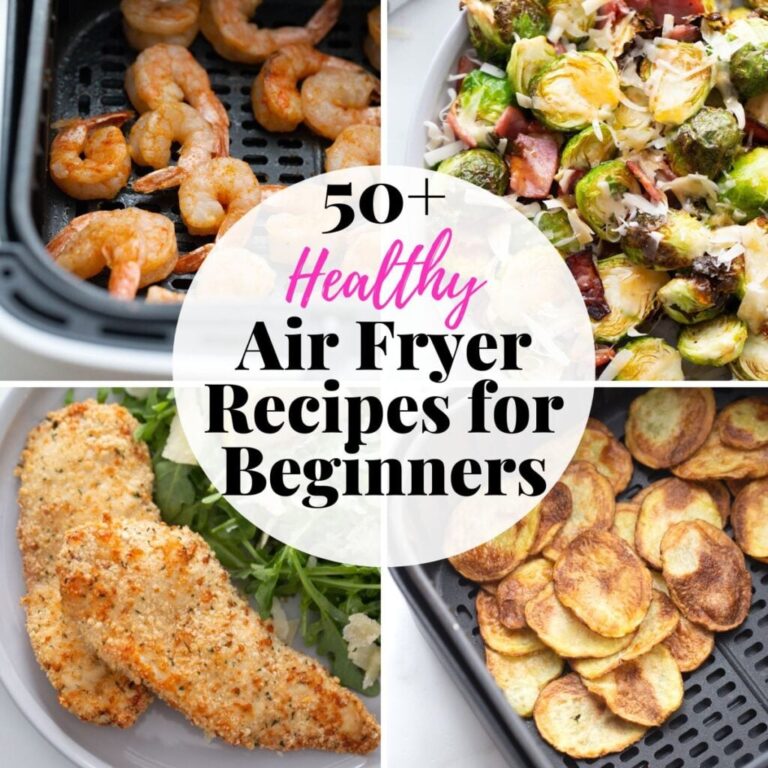
- Salmon, shrimp, fish fillets, and crab cakes
- French fries, tater tots, hash browns, and onion rings
- Broccoli, cauliflower, Brussels sprouts, green beans, and asparagus
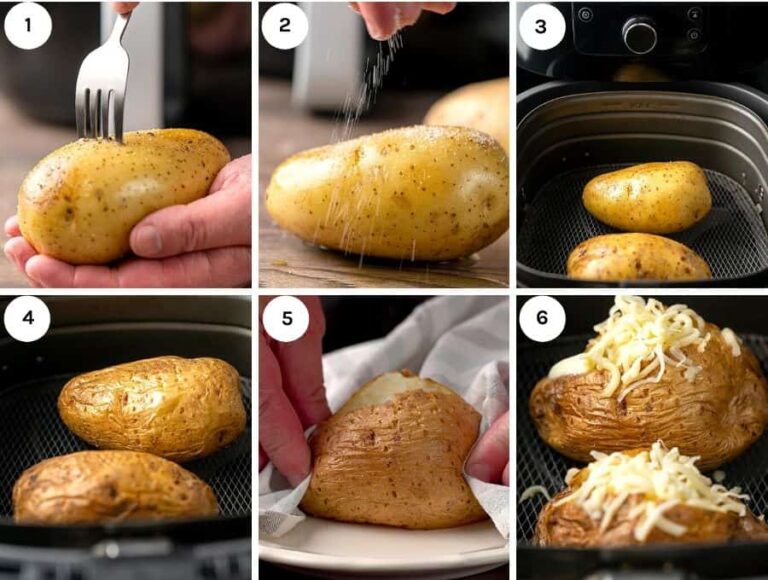
- Potatoes, sweet potatoes, corn, and zucchini
- Pizza, quesadillas, grilled cheese, and toasted sandwiches
- Egg rolls, spring rolls, samosas, and other frozen snacks
- Cookies, biscuits, muffins, and small cakes
- Bacon and some breakfast foods
- Leftover fried food, roasted meat, and pizza
An air fryer does not cook every food in the same way. Dry foods often crisp well. Foods with a wet coating may drip, spread, or remain soft.
A simple rule
If a food can be roasted, baked, broiled, or reheated in a conventional oven, it may work in an air fryer. You may need to reduce the temperature, shorten the cooking time, or use a smaller batch.
Always check the food’s center with a thermometer when safety depends on temperature. The USDA safe minimum temperature chart lists the key targets for meat, poultry, seafood, and leftovers.
Best Foods to Air Fry
The best foods for an air fryer have a dry surface, a modest amount of fat, and enough structure to stay in place as air moves through the basket.
Vegetables
Air frying gives vegetables browned edges while keeping some bite. Toss them with a small amount of oil, then add salt and other seasoning.
Good choices include:
- Broccoli florets
- Cauliflower
- Brussels sprouts
- Green beans
- Asparagus
- Bell peppers
- Zucchini
- Mushrooms
- Carrots
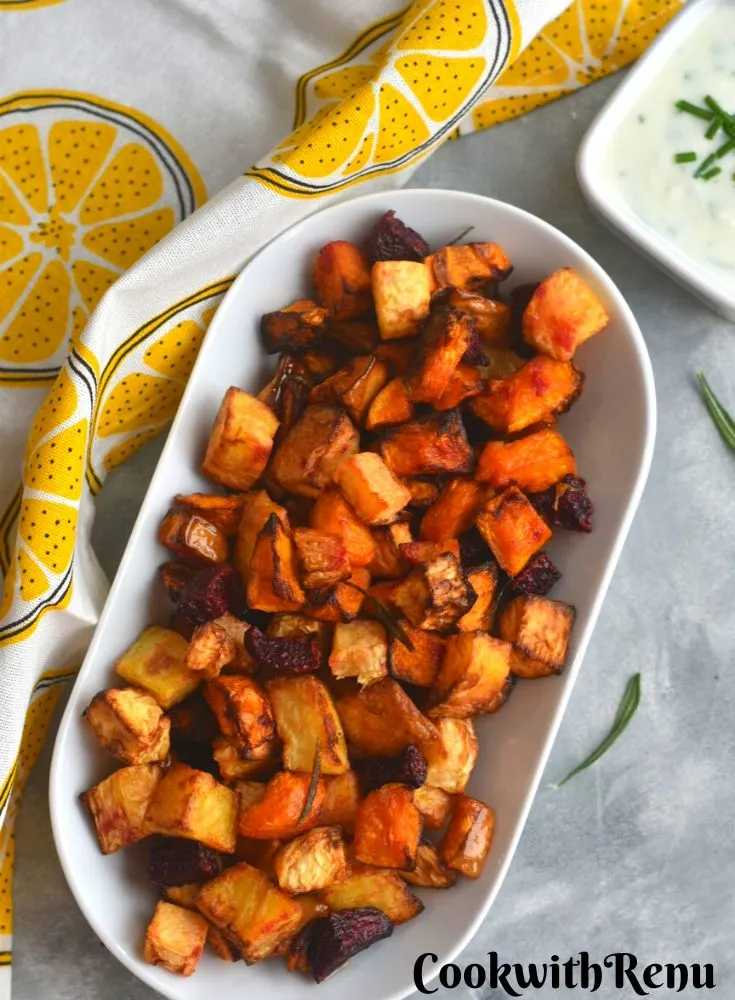
- Baby potatoes
- Sweet potato cubes
- Corn on the cob
Cut vegetables into pieces of a similar size. Smaller pieces cook faster. Dense vegetables, such as potatoes and carrots, may need more time than soft vegetables, such as zucchini.
Vegetables with high water content may soften rather than become crisp. Pat them dry before cooking and avoid filling the basket too deeply.
Chicken and other poultry
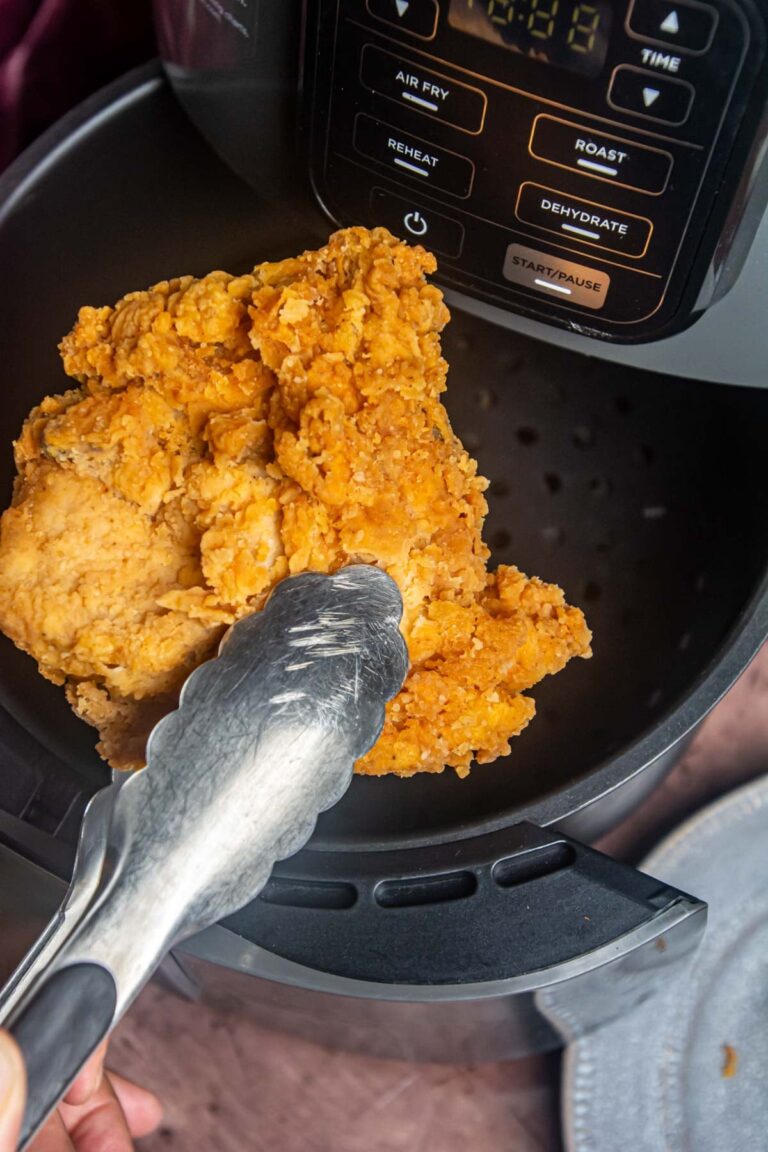
Air fryers work well for chicken wings, drumsticks, thighs, tenders, and breaded chicken. Skin-on pieces can brown well because the skin contains fat.
For even cooking:
- Pat the chicken dry.
- Season or coat it.
- Arrange pieces in one layer.
- Turn the pieces as needed.
- Check the thickest part with a food thermometer.
Chicken and all poultry should reach 165°F in the thickest part, according to the USDA. Do not rely only on color or cooking time.
Beef, pork, and sausage
you can air fry:
- Burgers
- Meatballs
- Steak bites
- Thin steaks
- Pork chops
- Sausage links
- Bratwurst
- Bacon
- Small meatloaves
Ground beef, pork, lamb, and veal should reach 160°F. Whole cuts of beef, pork, lamb, and veal should reach 145°F, followed by a three-minute rest, according to USDA guidance.
Thick cuts may brown before the center is done. Use a thermometer and lower the temperature if the outside cooks too fast.
Fish and seafood
Air frying suits fish fillets, salmon, shrimp, scallops, crab cakes, and breaded seafood.
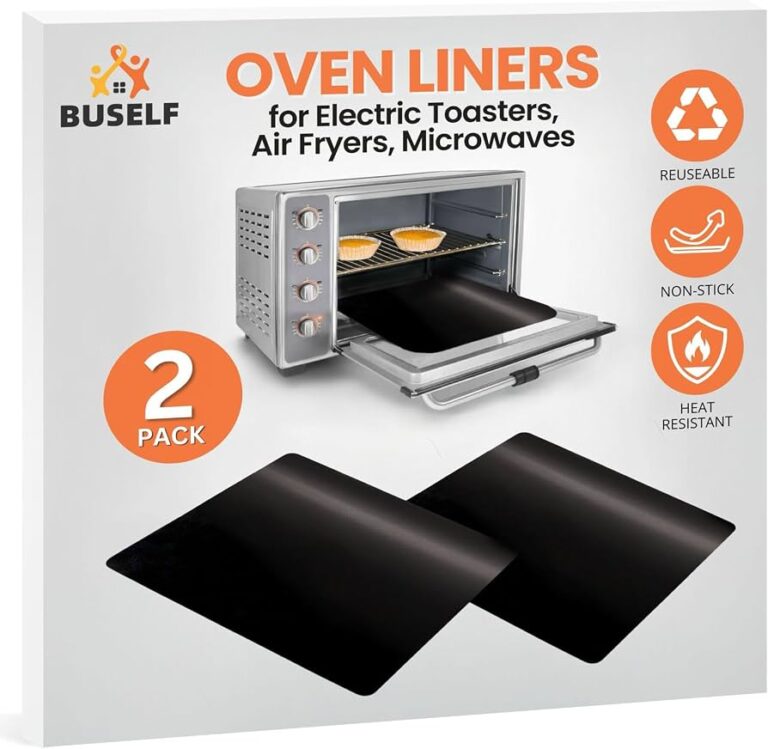
Brush delicate fish lightly with oil to reduce sticking. Use a liner only when it does not block the air vents or lift into the heating element.
Most fish should reach 145°F. Shrimp should turn firm and opaque. Because seafood cooks quickly, check it early.
Frozen foods
Frozen foods are among the easiest air-fryer foods. Many are designed for oven cooking and need no thawing.
Examples include:
- French fries
- Tater tots
- Chicken nuggets
- Mozzarella sticks
- Fish sticks
- Pizza rolls
- Egg rolls
- Frozen vegetables
- Hash brown patties
- Breaded mushrooms
- Frozen burgers
Read the package directions first. If the package gives oven instructions, start with a lower cooking time and check the food often. Air fryers vary in size, power, and airflow.
Do not thaw frozen food unless the package or recipe calls for it. Thawing can add moisture and make breaded foods less crisp.
Leftovers
An air fryer can restore texture to many leftovers better than a microwave. It is useful for:
- Pizza
- Fried chicken
- French fries
- Roasted potatoes
- Breaded fish
- Quesadillas
- Chicken tenders
- Toasted sandwiches
Use a lower temperature for foods that are already browned. Check the center before serving, and refrigerate leftovers within two hours, or within one hour if the room is above 90°F. The USDA leftovers guide recommends reheating leftovers to 165°F.
Foods You Should Not Put in an Air Fryer
Some foods are unsafe, messy, or poorly suited to the strong airflow and dry heat of an air fryer.
Avoid or use caution with these foods:
- Loose wet batter
- Large amounts of cheese
- Very light leafy greens
- Uncontained liquids
- Foods that can block the heating element
- Very large roasts or whole chickens that do not fit safely
- Plastic, paper, or non-heat-safe containers
- Anything that exceeds the appliance’s size or temperature limits
Wet batter
Wet batter can drip through the basket before it sets. This can create a mess and leave the coating uneven.
Use a coating that clings to the food, such as flour followed by egg and breadcrumbs. Frozen battered foods often work better because the coating has already set.
Cheese
Cheese can melt through the basket, burn on the heating element, or create smoke. Put cheese inside a contained food, such as a quesadilla or stuffed pepper.
Small pieces of halloumi or firm cheese may work in some models, but follow the appliance manual and watch them closely.
Leafy greens
Light greens such as kale chips can blow around and touch the heating element. If you cook them, use enough food to hold them down without overfilling the basket. Check them often.
Rice, pasta, and soup
An air fryer is not a replacement for a pot or pressure cooker. You should not place loose water, soup, or a large amount of uncooked rice in the basket unless the manufacturer provides a specific accessory and method.
You can crisp cooked rice or pasta in a suitable oven-safe dish, but the result will be different from boiling or simmering.
Whole eggs in the shell
Some air-fryer recipes use eggs in the shell, but results depend on the model and temperature. Eggs can crack, and hot shells can be difficult to handle. Use a tested method for your specific appliance instead of assuming every air fryer cooks eggs the same way.
Paper towels and loose paper
Do not place paper towels, loose parchment, or other light paper in the basket while the air fryer is running. Airflow can move the paper into the heating element.
How to Air Fry Different Types of Food
Air frying works best when you match the method to the food. The goal is even exposure to hot air without crowding the basket.
Fresh foods
For fresh meat and vegetables:
- Dry the surface with a clean paper towel.
- Add a small amount of oil if the food is lean or dry.
- Season evenly.
- Preheat only if the recipe or manual calls for it.
- Arrange food in one layer when possible.
- Shake or turn the food halfway through.
- Check for doneness with a thermometer or visual test.
Too much oil can cause smoke. Too little space can trap steam and prevent browning.
Breaded foods
Breaded food becomes crisp when the coating stays dry and receives direct airflow.
For the best result:
- Press breadcrumbs firmly onto the food.
- Spray or brush the coating lightly with oil.
- Keep pieces separate.
- Turn them carefully.
- Avoid wet batter unless it is contained.
Do not stack breaded food. The covered areas will stay soft.
Frozen foods
Start with the package’s oven temperature, then reduce the cooking time. Check early because many air fryers cook faster than a full-size oven.
Shake small foods, such as fries or tots, once or twice. Turn larger foods, such as fish sticks or patties, halfway through.
Baked foods
You can bake small portions of cookies, biscuits, muffins, brownies, and cakes in an air fryer if the pan fits and is rated for the heat.
Use an oven-safe pan that leaves space around the sides. The pan should not touch the heating element. Baking may require a lower temperature than a standard oven because the food sits close to the heat source.
A cake may brown before the center sets. If this happens, lower the temperature and continue cooking.
Reheating foods
For crisp food, use moderate heat and check often. A short cook is usually better than a long one.
Examples:
- Pizza: reheat until the cheese melts and the crust feels crisp.
- Fried chicken: use moderate heat so the coating does not burn before the meat warms.
- Fries: shake once and stop when crisp.
- Sandwiches: use a lower temperature if the bread browns quickly.
Avoid sealing food in foil unless the manual allows it and the foil does not block airflow.
Air Fryer Temperature and Cooking Time Guide
The table below gives starting points, not guaranteed results. Food size, starting temperature, basket design, and batch size all affect cooking time.
| Food | Starting temperature | Approximate time | Main check |
|---|---|---|---|
| French fries, frozen | 375–400°F | 12–20 minutes | Shake; check crispness |
| Tater tots | 400°F | 12–18 minutes | Shake once or twice |
| Chicken wings | 375–400°F | 20–30 minutes | 165°F inside |
| Chicken tenders | 375–400°F | 10–18 minutes | 165°F inside |
| Salmon fillet | 375–400°F | 7–12 minutes | 145°F inside |
| Shrimp | 375–400°F | 5–8 minutes | Firm and opaque |
| Burger patties | 375–400°F | 8–15 minutes | 160°F for ground beef |
| Pork chops | 375–400°F | 12–20 minutes | 145°F plus rest |
| Broccoli | 375–400°F | 8–14 minutes | Tender with browned edges |
| Brussels sprouts | 375–400°F | 12–18 minutes | Tender in the center |
| Baby potatoes | 375–400°F | 15–25 minutes | Easily pierced |
| Reheated pizza | 325–375°F | 3–7 minutes | Hot center and crisp crust |
Use the shortest time as a check point. Add time in small steps rather than setting a long cook and walking away.
Food is ready when it meets both quality and safety targets. Crispness is a quality target. A safe internal temperature is a food-safety target.
How to Get Crisp Results
Crisp food needs dry surfaces, hot air, and room to cook. Crowding is the most common reason air-fried food turns soft.
Follow these steps:
- Dry the food. Moisture creates steam.
- Use a light oil coating. Oil helps browning, but more oil does not always mean more crispness.
- Leave gaps between pieces. Air must reach the sides.
- Shake or turn food. This helps expose more surface area.
- Cook in batches. Two small batches often crisp better than one crowded batch.
- Serve soon. Crisp coatings soften as they sit.
- Keep sauces separate. Add wet sauce after cooking when possible.
Avoid adding too much salt before cooking wet vegetables, since salt can draw out moisture. Add a final seasoning after cooking if needed.
Do not cover the entire basket with foil or parchment. Blocked airflow reduces browning and may affect safe operation.
Air Fryer Safety and Cleaning
Safe air frying starts with the appliance manual. Models differ in basket size, heating element location, temperature range, and approved accessories.
Use these basic precautions:
- Place the air fryer on a stable, heat-safe surface.
- Keep the appliance away from walls, curtains, and other heat-sensitive items.
- Do not fill the basket above its stated limit.
- Keep food away from the heating element.
- Use oven mitts when handling the basket.
- Watch for smoke from excess grease or food debris.
- Unplug the appliance before cleaning.
- Let the basket and drawer cool before washing.
- Remove grease and crumbs after each use.
- Never immerse the electrical base in water.
A small amount of smoke may come from fatty foods or old grease. If smoke becomes heavy, turn off and unplug the appliance if it is safe to do so. Do not pour water into a hot, greasy air fryer.
Use accessories that are rated for the appliance’s heat. Metal, glass, ceramic, or silicone items may be suitable only when the manufacturer permits them and they fit without blocking airflow.
Common Air-Frying Mistakes
Overfilling the basket
A full basket traps steam. Food may cook, but it will not brown evenly.
Fix: Cook in a single layer or use smaller batches.
Using too much oil
Excess oil can collect below the basket and produce smoke.
Fix: Toss food with a small amount of oil or use a light spray. Do not pour oil into the drawer unless the manual specifically allows it.
Skipping the turn
The top may brown while the bottom remains pale.
Fix: Turn larger pieces halfway through. Shake small pieces.
Trusting the timer
Air fryers vary. A recipe written for one model may not match another.
Fix: Check early and use a thermometer for meat, poultry, seafood, and leftovers.
Adding sauce too soon
Sugary sauces can burn before the food finishes.
Fix: Add barbecue sauce, honey glaze, or similar sauces near the end of cooking.
Using a cold, wet surface
Wet food creates steam and can stick.
Fix: Pat the food dry and lightly oil the surface when appropriate.
Key Takeaways
- You can air fry meat, seafood, vegetables, frozen foods, breaded foods, baked items, and many leftovers.
- Dry surfaces and open space produce the best browning.
- Frozen foods often cook well without thawing.
- Wet batter, loose cheese, liquids, and light paper can create problems.
- Use a food thermometer for safety.
- Poultry should reach 165°F; ground meat should reach 160°F; fish should reach 145°F.
- Check your air fryer manual before using foil, parchment, pans, or other accessories.
Frequently Asked Questions
Can you air fry raw meat?
Yes. You can air fry raw chicken, beef, pork, lamb, seafood, and ground meat. Arrange the food in a single layer and check its internal temperature with a food thermometer.
Can you air fry frozen food?
Yes. Frozen fries, vegetables, chicken pieces, fish sticks, egg rolls, and many other foods work well in an air fryer. Start with the package’s oven directions, then check the food early because air fryers vary.
Can you air fry vegetables without oil?
Yes. Vegetables can cook without oil, but a small amount of oil usually improves browning and helps seasonings stick. High-moisture vegetables may soften rather than become crisp.
Can you put aluminum foil in an air fryer?
Often, but only when the appliance manual allows it. Foil must not block the basket vents, cover the entire cooking surface, touch the heating element, or move into the fan.
Can you air fry food in glass or ceramic dishes?
Only use glass or ceramic cookware that is rated for oven heat and fits safely inside the air fryer. Leave room for airflow and follow the appliance manufacturer’s instructions.
Do you need to preheat an air fryer?
Not always. Some recipes benefit from preheating, while others do not. Preheating can shorten cooking time and improve browning, but the manual and recipe should guide the choice.
Can you cook bacon in an air fryer?
Yes. Bacon can be air fried, but rendered fat may smoke. Use a temperature and method approved for your model, avoid overfilling the basket, and clean grease from the drawer after it cools.
Conclusion
An air fryer can cook far more than frozen fries. It is useful for vegetables, chicken, seafood, burgers, pork, snacks, baked foods, and leftovers. The best results come from dry food, light oil, open space, and regular checks.
Start with a small batch. Follow the appliance manual, use package directions as a guide, and confirm safe internal temperatures with a thermometer.