What Foods Can You Cook In An Air Fryer: Easy Ideas
An air fryer can cook far more than French fries. In a U.S. kitchen, you can use it to roast vegetables, crisp frozen foods, cook chicken and fish, reheat leftovers, bake small desserts, and prepare quick snacks. It works like a small convection oven: a heating element warms the air, while a fan moves that hot air around the food.
The best foods for an air fryer are fairly dry, small enough to cook through, and able to brown on the outside. Foods that need a large amount of liquid, such as soup, or a loose wet batter, usually need another cooking method.
Best Foods to Cook in an Air Fryer
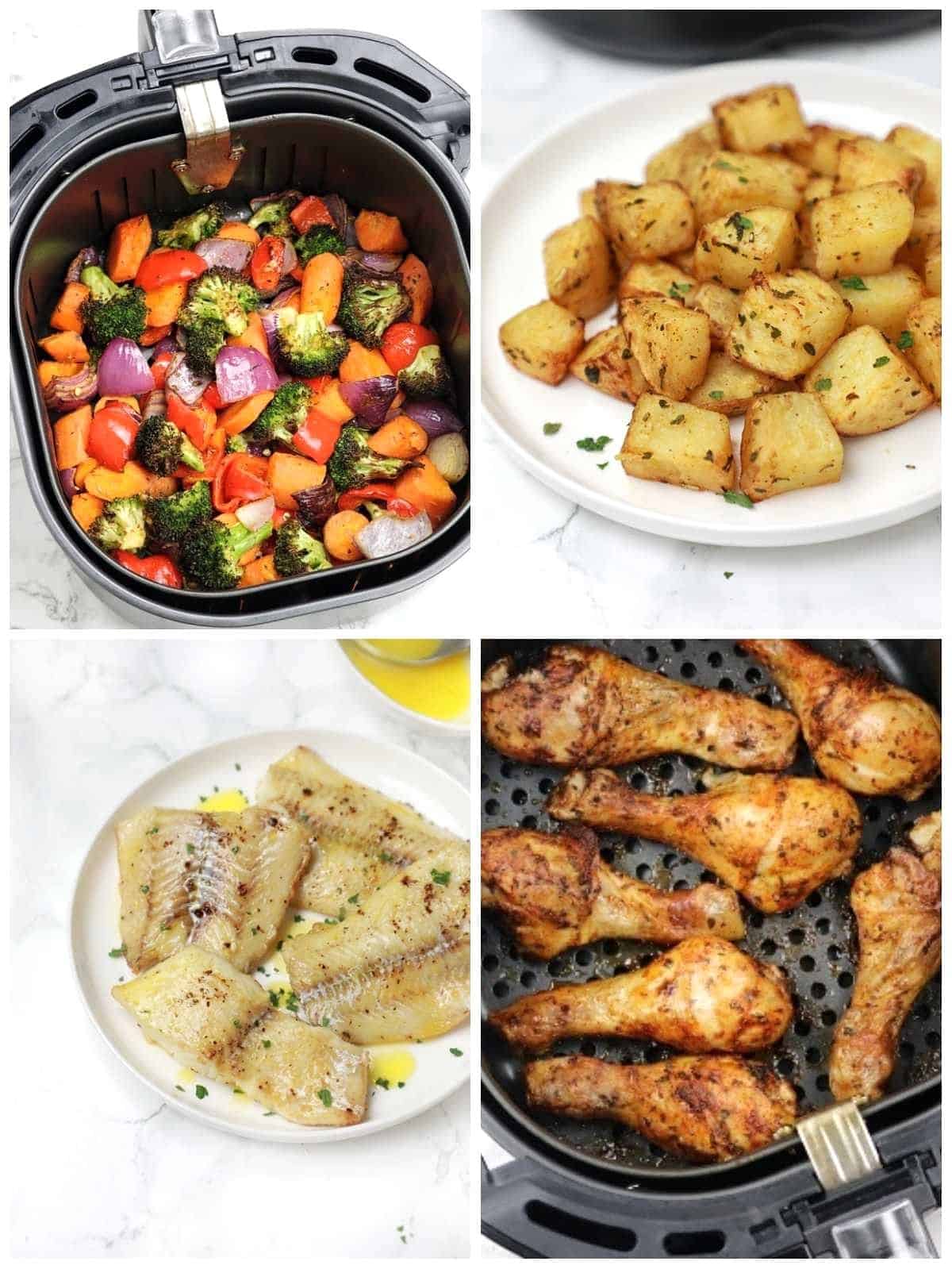
The most reliable air-fryer foods include vegetables, potatoes, chicken, fish, frozen foods, sandwiches, snacks, and small baked goods. The exact time depends on the food size, starting temperature, basket design, and air-fryer model.
Vegetables
An air fryer can roast vegetables quickly while giving the edges a crisp, browned finish. Toss vegetables with a small amount of oil and season them before cooking.
Good choices include:
- Broccoli and cauliflower florets
- Brussels sprouts
- Green beans
- Asparagus
- Zucchini and yellow squash
- Bell peppers
- Mushrooms
- Carrots
- Corn on the cob
- Sweet potato cubes
- Butternut squash
- Baby potatoes
Cut vegetables into pieces of similar size. This helps them finish at the same time. Dense vegetables, such as carrots and squash, may need more time than soft vegetables, such as zucchini.
Potatoes
Potatoes are among the best foods to cook in an air fryer. You can make:
- French fries
- Steak fries
- Potato wedges
- Tater tots
- Hash browns
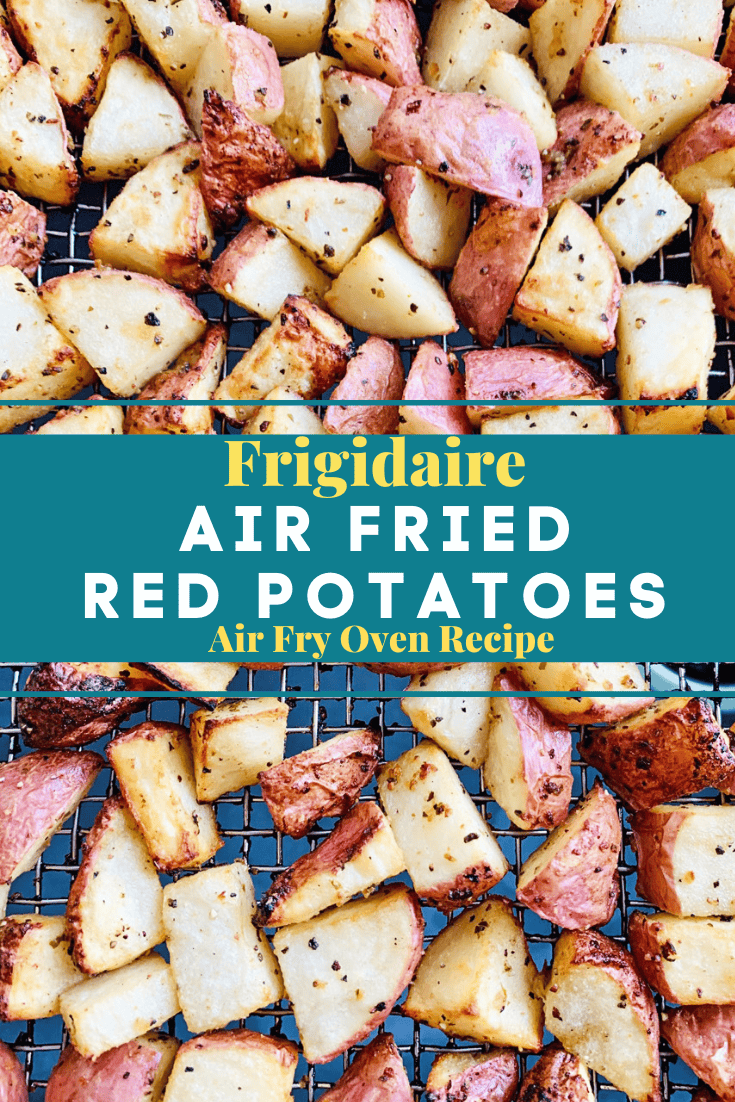
- Diced breakfast potatoes
- Baked potatoes
- Potato skins
- Sweet potato fries
For fresh fries, rinse or soak cut potatoes if you want to remove some surface starch. Dry them well before adding oil. Wet potatoes tend to steam instead of crisp.
Do not fill the basket to the top. A single loose layer gives hot air more room to move around each piece. You may need to cook a large batch in several rounds.
Chicken and Turkey
An air fryer can cook many chicken and turkey cuts, including:
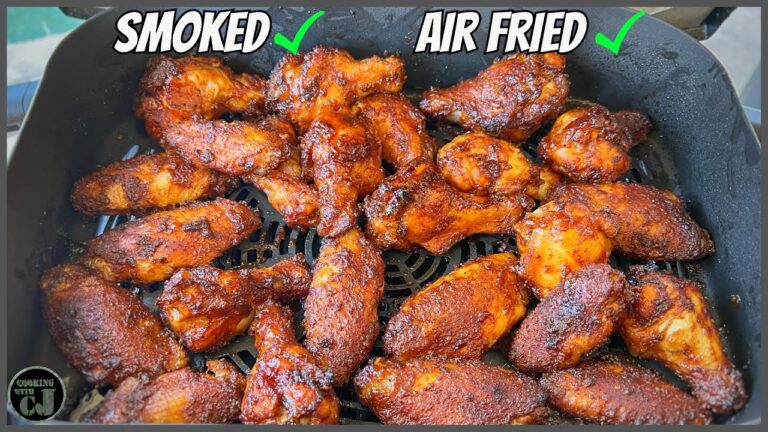
- Chicken wings
- Chicken tenders
- Boneless chicken breasts
- Chicken thighs
- Drumsticks
- Turkey burgers
- Turkey meatballs
- Breaded chicken cutlets
Skin-on chicken often browns well because the skin contains fat. Boneless chicken breast needs closer attention because it can become dry if overcooked.
Use a food thermometer rather than color alone. The U.S. Department of Agriculture (USDA) states that poultry should reach 165°F in the thickest part. Check the center of the meat and avoid touching bone with the thermometer tip.
Beef, Pork, and Lamb
You can cook smaller cuts and ground-meat foods in an air fryer, such as:
- Burgers
- Meatballs
- Meatloaf portions
- Steak bites
- Pork chops
- Sausage
- Lamb chops
- Breaded beef or pork cutlets
Leave space between pieces so the hot air can reach the surface. Thick foods may brown before the center is done, so check the internal temperature.
USDA minimum temperatures include:
- Ground beef, pork, lamb, and veal: 160°F
- Whole cuts of beef, pork, lamb, and veal: 145°F, followed by a three-minute rest
- Poultry: 165°F
These temperatures apply to the food, not the air-fryer setting.
Fish and Seafood
Air fryers work well for fish fillets and smaller seafood portions. Try:
- Salmon
- Cod
- Tilapia
- Halibut
- Shrimp
- Scallops
- Fish sticks
- Breaded fish fillets
- Crab cakes
Brush delicate fish with a little oil or use a light coating to reduce sticking. Fish cooks fast, so begin checking early.
The FDA and USDA list 145°F as the safe internal temperature for fish. Shrimp and scallops should be opaque and firm, but a thermometer is the more dependable check when the pieces are thick.
Frozen Foods
Frozen foods are especially convenient in an air fryer because many are designed to crisp in dry heat. Common choices include:
- Frozen French fries
- Tater tots
- Mozzarella sticks
- Chicken nuggets
- Egg rolls
- Spring rolls
- Pizza rolls
- Frozen burritos
- Fish sticks
- Breaded shrimp
- Hash brown patties
- Frozen vegetables
- Frozen waffles
You often do not need to thaw these foods first. Follow the package instructions when available, then adjust the time for your air fryer.
Frozen food can release steam as it cooks. Shake the basket or turn the food when needed. Avoid stacking pieces tightly, since crowded food may stay soft.
Bread, Sandwiches, and Small Baked Foods
The circulating heat can toast and bake small portions well. You can prepare:
- Toast
- Garlic bread
- Grilled cheese
- Reuben-style sandwiches
- Quesadillas
- Bagels
- English muffins
- Biscuits
- Cookies
- Brownies
- Muffins
- Hand pies
- Fruit crisps
Use a small pan or a piece of cookware only if it is rated for oven use and fits safely in the basket. Leave room around the pan for air to circulate.
Light foods, such as bread or tortillas, can move around during cooking. Keep them in place with food or use an approved rack made for your model. Never allow loose paper or foil to touch the heating element.
Leftovers
An air fryer is useful for reheating foods that become soggy in a microwave. Good choices include:
- Pizza
- Fried chicken
- French fries
- Onion rings
- Roasted vegetables
- Chicken wings
- Breaded fish
- Egg rolls
- Baked pasta portions
Use a lower temperature than you might use for raw food, and check often. The goal is to warm the center without burning the outside.

What Should You Not Cook in an Air Fryer?
Some foods are poor choices because they contain too much liquid, have a loose coating, or can create a safety problem.
Avoid or use caution with:
- Soup, stew, and other liquid foods
- Loose pancake or tempura batter
- Wet cheese without a container
- Large amounts of rice or pasta
- Very large roasts
- Foods that block the basket or fan
- Lightweight foods that can reach the heating element
- Food covered in excessive oil
- Unapproved plastic or paper containers
An air fryer is not a deep fryer. Loose wet batter may drip through the basket before it sets. Use a thicker coating, such as flour followed by egg and breadcrumbs, or cook the food in an oven-safe dish that fits the unit.
You should also avoid putting water into the drawer unless the manufacturer specifically permits it. Water may not solve smoke from grease and can damage some machines.
Check the manual before using foil, parchment paper, silicone cups, baking pans, or other accessories. Accessories must not block the air path or touch the heating element.

How to Cook Different Foods in an Air Fryer
Use the following process for most air-fryer recipes.
1. Read the air-fryer manual
Air fryers differ in basket size, heating strength, controls, and approved accessories. The manual may also state whether preheating is needed.
2. Prepare food in even pieces
Cut food into similar sizes. Pat meat, fish, and vegetables dry when surface moisture could prevent browning.
3. Add a small amount of oil when useful
A light coating of oil can improve browning and help seasonings stick. You do not need to cover food heavily. Avoid aerosol cooking sprays that may damage some nonstick coatings unless the manufacturer says they are safe.
4. Arrange food in a loose layer
Air must move around the food. A little overlap may work for some foods, but a crowded basket usually produces uneven cooking.
5. Set the temperature and time
Air-fryer recipes often use settings from about 325°F to 400°F, but the correct setting depends on the food. Start with the recipe or package directions and check early the first time.
6. Shake or turn the food
Shake small foods, such as fries or vegetables, halfway through cooking. Turn larger foods, such as chicken breasts or fish fillets, if the recipe calls for it.
7. Check doneness safely
Use a food thermometer for meat, poultry, and fish. Look for a crisp surface, tender center, and safe internal temperature.
8. Clean the unit after cooking
Let the air fryer cool before cleaning. Remove crumbs and grease from the basket and drawer. Grease buildup can create smoke and unpleasant odors.

Air Fryer Cooking Chart
This chart gives starting points, not guaranteed results. Use smaller pieces, a less crowded basket, and an early check until you learn how your model cooks.
| Food | Starting temperature | Approximate time | Helpful tip |
|---|---|---|---|
| Fresh French fries | 375°F to 400°F | 15–25 minutes | Shake several times |
| Frozen French fries | 375°F to 400°F | 12–20 minutes | Cook from frozen |
| Chicken wings | 375°F to 400°F | 20–30 minutes | Turn or shake |
| Chicken breast | 360°F to 380°F | 16–25 minutes | Check for 165°F |
| Chicken tenders | 375°F to 400°F | 10–16 minutes | Avoid crowding |
| Salmon fillet | 375°F to 400°F | 8–14 minutes | Check thickest part |
| Shrimp | 375°F to 400°F | 5–10 minutes | Avoid overcooking |
| Broccoli | 375°F to 400°F | 8–14 minutes | Toss with oil |
| Brussels sprouts | 375°F to 400°F | 12–20 minutes | Cut large sprouts in half |
| Zucchini | 375°F to 400°F | 7–12 minutes | Check early |
| Burgers | 375°F to 400°F | 10–16 minutes | Check the center |
| Tater tots | 400°F | 12–18 minutes | Shake halfway |
| Grilled cheese | 350°F to 375°F | 6–10 minutes | Secure the bread if needed |
| Reheated pizza | 325°F to 375°F | 3–8 minutes | Check often |
The largest variables are food thickness, starting temperature, basket size, and how much food is in the basket. A full basket can take longer than a loose single layer.

Tips for Crisp, Even Results
A few simple habits make a noticeable difference.
Dry the surface
Moisture creates steam. Pat vegetables, meat, and fish dry before seasoning when possible.
Use the right amount of oil
Too little oil may leave some breaded or starchy foods pale. Too much oil can make food greasy and create smoke. A light coating is usually enough.
Do not overcrowd the basket
This is one of the most common air-fryer mistakes. Food needs open space for hot air to reach all sides. Cook in batches when necessary.
Preheat when it helps
Preheating can improve browning and shorten the cooking time for some foods. It is often useful for meat, frozen snacks, and baked foods. It is less important for simple reheating.
Turn food when needed
The fan does not always brown the top and bottom equally. Turning food can help create a more even crust.
Add delicate toppings near the end
Cheese, herbs, and thin sauces can burn quickly. Add them during the final minutes unless the recipe says otherwise.
Check small foods early
Shrimp, thin fish, sliced vegetables, and small snacks can go from done to overcooked quickly. The first batch is a learning batch.

Common Air-Fryer Problems and Fixes
Food is not crisp
Possible causes include excess moisture, too much food, or too little cooking time. Dry the food, reduce the batch size, and extend cooking in short intervals.
Food is burned outside but raw inside
The pieces may be too large, the temperature may be too high, or the basket may be too close to the heating element. Lower the temperature and cook longer. For meat, use a thermometer.
Food sticks to the basket
Delicate fish, breaded food, and melted cheese can stick. Lightly oil the food or basket if the manual allows it. Turn food only after the outer surface has started to set.
The air fryer produces smoke
Excess grease can smoke, especially when cooking fatty meat. Stop the appliance if smoke is heavy, unplug it when safe, and let it cool. Clean accumulated grease before using it again.
Do not pour water into a hot air fryer to stop smoke. If a grease fire occurs, keep the drawer closed, turn off the appliance if safe, and call 911 if the fire does not stop quickly. Never use water on a grease fire.
Food cooks unevenly
Uneven pieces, a crowded basket, or a strong fan can cause this problem. Cut pieces evenly, shake smaller foods, and turn larger pieces.
Air-Fryer Safety Rules
Air-fryer cooking is generally simple, but it still involves hot surfaces, grease, and undercooked food.
Follow these rules:
- Place the unit on a stable, heat-resistant surface.
- Keep the air vents clear.
- Do not fill the basket beyond the marked limit.
- Keep the appliance away from water and flammable items.
- Use oven mitts when handling the basket or drawer.
- Check meat, poultry, and fish with a food thermometer.
- Wash hands and surfaces after handling raw meat.
- Do not use damaged cords or baskets.
- Clean grease and crumbs after the unit cools.
- Follow the manufacturer’s instructions for liners and accessories.
The USDA recommends using a food thermometer because color and texture are not reliable indicators of safety. For more detailed handling guidance, consult the USDA Food Safety and Inspection Service and the FDA food safety guidance.
Key Takeaways
- You can cook vegetables, potatoes, chicken, fish, meat, frozen foods, snacks, sandwiches, baked items, and leftovers in an air fryer.
- Dry foods and foods that benefit from browning work best.
- Avoid soup, loose wet batter, and containers that are not rated for oven heat.
- Leave space around the food so hot air can circulate.
- Use a thermometer for meat, poultry, and fish.
- Start with the recipe or package time, then adjust for your air fryer.
- Clean grease and crumbs often to reduce smoke and improve performance.
Frequently Asked Questions
Can you put raw meat in an air fryer?
Yes. An air fryer can cook raw chicken, turkey, beef, pork, lamb, and fish. Arrange the pieces in a loose layer and check the center with a food thermometer. Poultry should reach 165°F, ground meat should reach 160°F, and whole cuts of beef, pork, lamb, and veal should reach 145°F with a three-minute rest.
Can you cook frozen food in an air fryer?
Yes. Many frozen foods cook well without thawing, including fries, nuggets, fish sticks, egg rolls, and vegetables. Follow the package directions when available, and shake or turn the food to improve even cooking.
Do you need to use oil in an air fryer?
Not always. Frozen foods and fatty foods may need little or no added oil. A small amount can help fresh vegetables and breaded foods brown and crisp. Avoid adding more oil than needed because excess oil may cause smoke.
Can you use aluminum foil in an air fryer?
Sometimes, but only when the manufacturer allows it. Foil must not block the basket openings, cover the entire air path, or touch the heating element. It should also be held down by food so it cannot move into the fan or heating element.
Can you bake in an air fryer?
Yes. Small cakes, muffins, cookies, brownies, biscuits, and hand pies can work well in an air fryer. Use an oven-safe pan that fits without blocking airflow, and check baked foods early because small air fryers can cook the surface quickly.
Is an air fryer healthier than deep-frying?
Air frying usually uses much less added oil than deep-frying, but the nutritional result depends on the food and portion. Air-fried vegetables are different from air-fried processed snacks. Air frying does not automatically make every food a healthy choice.
Conclusion
The air fryer is best viewed as a compact convection oven, not only a machine for fries. It can roast vegetables, crisp frozen foods, cook proteins, reheat leftovers, and bake small portions with little added oil.
For the best results, keep food dry, avoid crowding, turn or shake when needed, and use safe internal temperatures. Start with foods that brown well and cook in small pieces, then adjust time and temperature as you learn how your particular air fryer behaves.