What To Do When You First Get An Air Fryer: First Steps
If you just bought an air fryer in the United States, do not add food right away. First, remove all packing materials, wash the removable parts, read the model’s safety guide, and place the appliance on a clear, heat-safe surface. Then run the unit as directed by the manufacturer, learn its controls, and cook a small, simple food such as frozen fries or vegetables.
These first steps remove factory dust, help you spot damage, and reduce common problems such as smoke, sticking, undercooked food, and poor airflow.

Key Takeaways
- Remove every piece of plastic, foam, cardboard, and tape before use.
- Wash the basket and tray with warm, soapy water unless the manual gives different care instructions.
- Put the air fryer on a stable, heat-safe counter with open space around its vents.
- Run an empty test cycle only if the manual allows or recommends it.
- Do not fill the basket to the top. Hot air must move around the food.
- Use a food thermometer for meat, poultry, seafood, and leftovers.
- Clean the basket and drawer after each use.
- Never place the air fryer on a stovetop or cover its vents.
1. Check the Air Fryer Before You Use It
Start by checking the box, appliance, cord, basket, tray, and controls for damage. If the air fryer has a cracked basket, loose heating element, damaged plug, or cut power cord, do not use it. Contact the retailer or manufacturer instead.
Find the paper manual or the official manual for your exact model. Air fryers differ in size, cooking modes, temperature limits, preheat instructions, dishwasher guidance, and basket design. Advice for one model may not apply to another.
Look for these parts:
- Main cooking unit
- Removable basket or cooking pot
- Crisper plate, rack, or tray
- Handle and basket release
- Power cord
- Cooking charts or preset buttons
- Manual and warranty information
Some models have a protective film on the display or stainless-steel surfaces. Remove it before cooking. Also remove foam, cardboard, twist ties, plastic bags, and tape from inside and outside the appliance.
Do not remove screws or open the heating compartment. The heating element and electrical parts are not user-serviceable.
Confirm the voltage and outlet
Most air fryers sold for homes in the United States are designed for a standard household outlet. Use the voltage listed on the rating label and manual. Do not use a damaged outlet, loose extension cord, or power strip that the manufacturer does not approve.
A high-wattage appliance may warm a plug or outlet during use, but a hot, melted, smoking, or discolored plug is a reason to stop using it. Unplug the appliance and seek help from the manufacturer or a qualified electrician.
2. Wash the Removable Parts
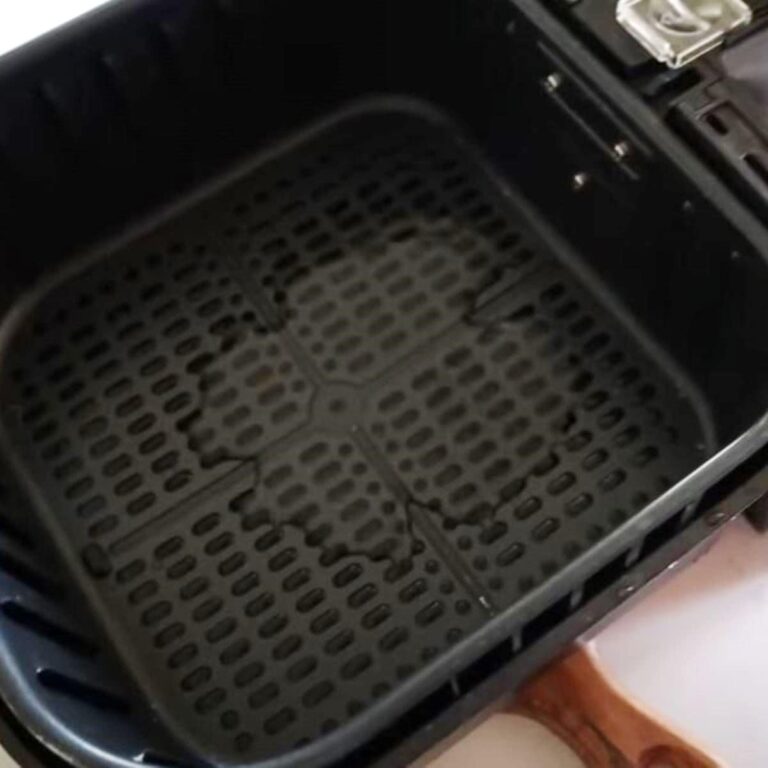
Wash the removable basket, tray, rack, and cooking pot before the first use. Use warm water, mild dish soap, and a soft sponge unless the manual says that a part should be cleaned another way.
Avoid steel wool, harsh scouring powder, and metal tools. These can damage a nonstick coating. Do not immerse the main air fryer body, power cord, or plug in water.
Dry each part well before putting it back. Water left under a tray or in a basket can create steam and may affect cooking.
Should you wash an air fryer before first use?
Yes. Washing the removable food-contact parts removes dust and residue from packing and manufacturing. It also gives you a chance to check that the basket, tray, and handle fit correctly.
A dishwasher-safe label does not mean every part is dishwasher-safe. Check the manual. Some parts may be safe on the top rack, while others require hand washing to protect their coating.
3. Place the Air Fryer in a Safe Spot
Put the air fryer on a level, stable, heat-resistant surface. A kitchen counter is usually suitable if it can handle heat and the appliance sits flat.
Keep the air fryer away from:
- The edge of the counter
- The kitchen sink
- Paper towels and curtains
- Plastic containers
- Wall cabinets that may be damaged by heat
- A gas or electric stovetop
- Other appliances that block the vents
Leave the amount of open space stated in the manual. If the manual does not give a distance, leave generous space around the sides and back, and keep the top clear. Hot air and steam need a safe path away from the appliance.
Do not place anything on top of the air fryer while it is running. Do not cover the air intake or exhaust vent. Blocked airflow can affect cooking and cause the appliance to overheat.
The outside and handle may become hot during use. Use the handle to move the basket, and allow the appliance to cool before storing it.
4. Run the First Test Cycle
Some air fryers recommend an empty first cycle. Others do not. Follow the exact instruction for your model.
If the manual says to run the appliance empty, set it to the stated temperature and time. Open a window or use the kitchen exhaust fan if the manufacturer mentions a temporary odor. A mild new-appliance smell can occur during the first heating cycle.
Do not add oil to an empty basket unless the manual specifically tells you to do so. Oil can collect near the heating element and create smoke or a fire risk.
Stop the test cycle if you notice:
- Heavy smoke
- Sparks
- A burning electrical smell
- A damaged cord or plug
- Unusual loud noises
- Error messages that do not clear
- Flames
If a fire starts, unplug the appliance only if you can do so safely. Keep the drawer closed to limit oxygen, and use a suitable fire extinguisher if needed. Never throw water onto an electrical or grease fire. Call 911 when the fire is not immediately controlled.
A small amount of smoke during cooking may come from excess grease or food residue. Repeated heavy smoke is not normal. Clean the unit, check the food and temperature, and contact the manufacturer if the problem continues.
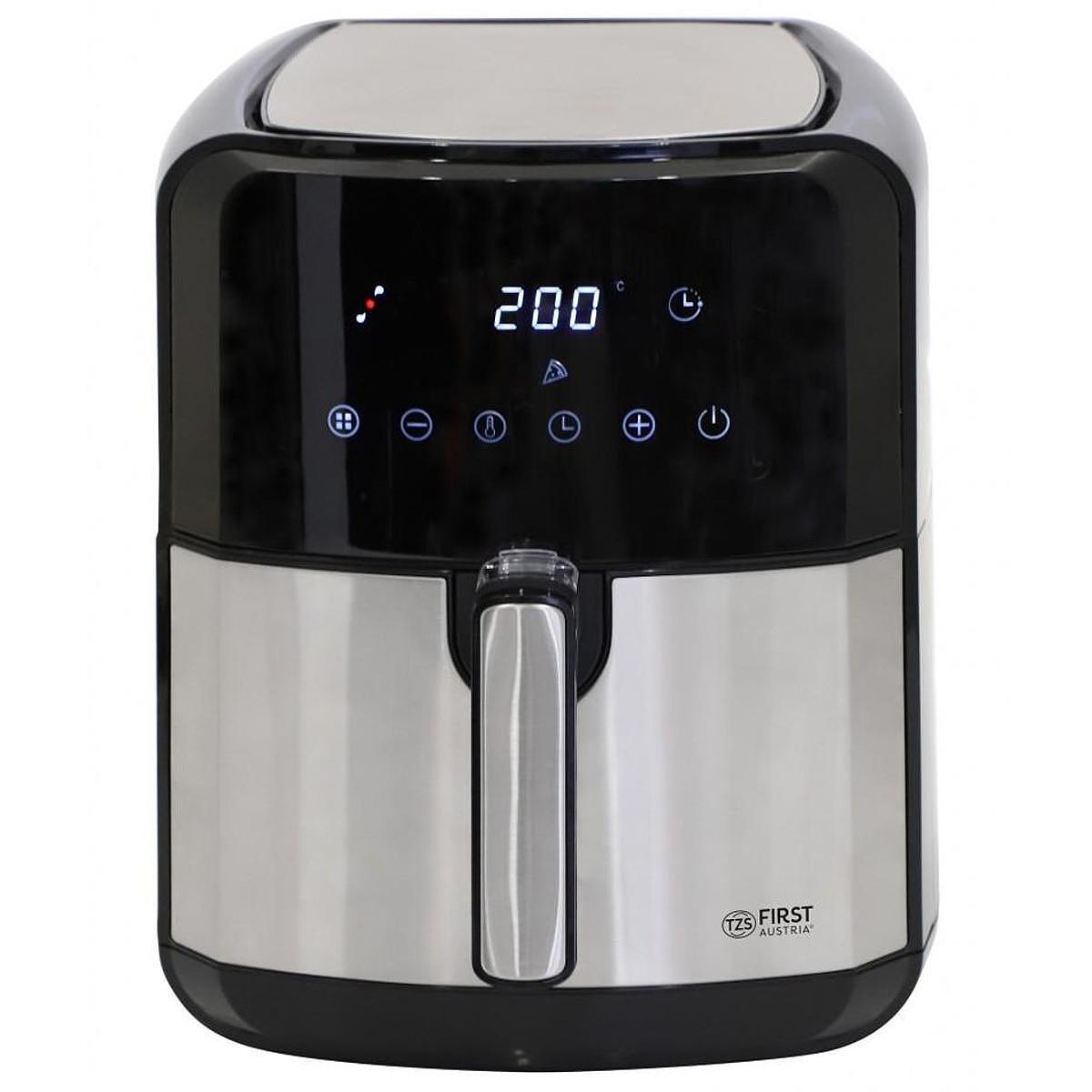
5. Learn the Basic Air Fryer Controls
Most air fryers use a fan to move hot air around food. This cooks food faster and can make the outside crisp, but it does not make every food taste or cook like deep-fried food.
Common controls include:
- Temperature
- Cook time
- Start or pause
- Preheat
- Air fry
- Bake
- Roast
- Broil or crisp
- Reheat
- Dehydrate
Preset buttons are starting points, not guarantees. The right time depends on the food’s size, starting temperature, moisture, basket design, and how full the basket is.
Preheat only when it helps
Preheating can shorten the cooking time and help some foods brown. It is most useful when a recipe calls for a hot cooking chamber from the start.
Not every air fryer needs preheating. Some models heat quickly, and some manuals tell users to place food in the cold basket. Follow the recipe and appliance instructions rather than preheating by habit.
If you do preheat, keep the empty basket in the unit only when the manual permits it. Use care when opening the drawer because hot air and steam may escape.
Use the basket correctly
Place food in the basket or on the rack as the manual shows. Do not use the air fryer without the required basket or cooking pot.
Avoid packing food tightly. A little space between pieces allows hot air to reach more surfaces. If food is piled high, the top may brown while the center stays soft or undercooked.
For even cooking:
- Arrange food in a loose, even layer when possible.
- Shake the basket or turn the food partway through cooking.
- Add time in short intervals if the food needs more cooking.
- Check the thickest piece, not only the pieces on top.
Do not pull the basket out repeatedly without adjusting the cooking time. Each opening releases heat and may lengthen the cook.
6. Choose a Simple First Food
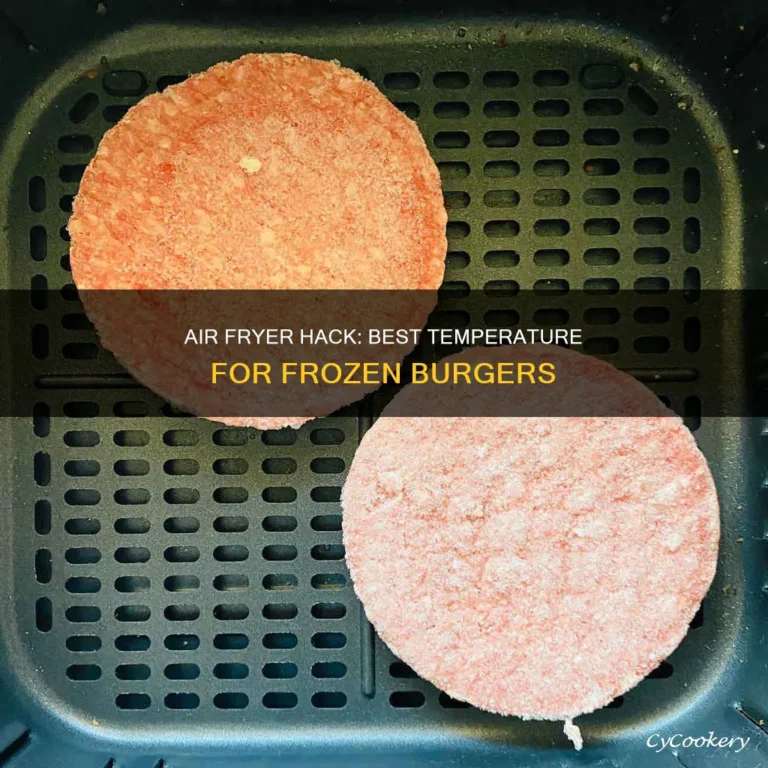
Your first recipe should be easy to inspect and hard to mishandle. Frozen fries, potato wedges, broccoli, Brussels sprouts, or reheated pizza can help you learn how the basket cooks.
Avoid starting with a large whole chicken, thick steak, delicate batter, or a full basket of mixed foods. These foods require more control and may expose temperature or spacing problems before you understand the appliance.
A simple first-use method
- Read the food package and air fryer manual.
- Preheat only if instructed.
- Place a small amount of food in the basket.
- Add a light coating of oil only if the food needs it.
- Set the temperature and time.
- Shake or turn the food when needed.
- Check the color, texture, and internal temperature.
- Add more cooking time in short steps.
For packaged frozen food, start with the package’s oven directions as a rough guide, then check the food early. Air fryers vary, so the package time may be too long or too short.
How much oil should you use?
Use little or no oil for foods that already contain fat. For fresh vegetables or lean foods, toss the food with a small amount of oil before placing it in the basket.
Do not pour a large amount of oil into the drawer. An air fryer is not a deep fryer. Excess oil can collect below the basket and smoke.
Oil sprays may contain propellants or ingredients that affect nonstick coatings. Use the type recommended by the appliance maker, or brush a small amount of oil directly onto the food.
Can you use parchment paper or foil?
Only use parchment paper or aluminum foil if the manual allows it. Keep these materials secured under food. Loose paper or foil can rise into the heating element.
Do not cover every hole in a crisper plate unless the instructions specifically allow it. Airflow is central to air frying. Covering the basket can change cooking and may cause grease or heat to collect in unwanted areas.
Do not use wax paper. Wax paper is not the same as parchment paper and may not be safe at air-fryer temperatures.
7. Check Food Safety With a Thermometer
Color and crispness do not prove that meat or poultry is safe to eat. Use a clean food thermometer and measure the thickest part of the food, avoiding bone.
The U.S. Department of Agriculture recommends these minimum internal temperatures:
| Food | Minimum internal temperature |
|---|---|
| Poultry, including chicken and turkey | 165°F |
| Ground meats | 160°F |
| Beef, pork, lamb, and veal steaks, chops, and roasts | 145°F, followed by a 3-minute rest |
| Fish and shellfish | 145°F |
| Leftovers and casseroles | 165°F |
These temperatures are from USDA food safety guidance. Follow any stricter instructions on a product label or recipe.
Keep perishable food refrigerated until you are ready to cook it. Do not leave meat, poultry, seafood, eggs, or leftovers at room temperature for long periods. The USDA identifies the temperature range from 40°F to 140°F as the “danger zone,” where bacteria can grow quickly.
An air fryer can reheat leftovers well, but it does not make spoiled food safe. When in doubt about how long food has been left out or stored, discard it.
8. Clean the Air Fryer After Each Use
Clean the removable parts after the appliance cools. Food residue and grease can smoke during the next cook.
A basic cleaning routine is:
- Unplug the air fryer.
- Let it cool fully.
- Remove the basket, tray, or rack.
- Wash removable parts according to the manual.
- Wipe the inside with a damp cloth or soft sponge.
- Wipe the heating area only when it is cool and with the method allowed by the manual.
- Dry all parts before reassembly.
- Check the vents for grease or crumbs.
Do not scrape a nonstick surface with a knife or fork. Do not operate the air fryer while it is wet inside.
For baked-on grease, soak the removable part in warm, soapy water if the manual allows it. Never use an abrasive cleaner on a coated basket unless the manufacturer specifically approves it.
How often should you deep-clean it?
Clean visible grease after each use. Give the basket, tray, interior, and heating area a more careful inspection after cooking fatty foods or foods that shed crumbs.
If the air fryer keeps smoking after cleaning, unplug it and stop using it until you identify the cause. Persistent smoke may indicate trapped grease, a damaged coating, or an electrical problem.
9. Fix Common First-Use Problems
Use this order: stop if there is an electrical or fire risk, check the manual, then adjust food and settings.
| Problem | Likely cause | What to do |
|---|---|---|
| Food is not crisp | Basket is crowded, food is wet, or temperature is low | Dry the food, use a smaller batch, shake it, and add short cooking intervals |
| Food cooks unevenly | Pieces are different sizes or not turned | Cut pieces evenly and shake or turn them |
| Food burns outside | Pieces are too small, temperature is high, or time is too long | Lower the temperature and check early |
| Food stays raw inside | Pieces are thick or basket is crowded | Use smaller pieces, spread them out, and check the center |
| Smoke appears | Excess grease, oil, residue, or a very fatty food | Stop, cool, clean, and reduce added oil |
| Food sticks | Too little oil, wet coating, or a worn surface | Use a light oil coating and suitable utensils |
| Air fryer will not start | Basket is not seated, drawer is open, or power is unavailable | Reseat the basket and check the outlet |
| Strong odor continues | New-appliance residue or trapped grease | Run only the manufacturer-approved cycle, clean it, and contact support if it persists |
Do not keep increasing the temperature when food is undercooked. More heat may burn the outside without safely cooking the center. Use a thermometer for foods that require a minimum internal temperature.
If the display shows an error code, look up that code in the exact model manual. Do not guess by taking the unit apart.
10. Keep These Air Fryer Safety Rules
An air fryer is a countertop electrical appliance that uses high heat. These rules apply during normal use:
- Never leave the appliance unattended for long periods.
- Keep children away from the hot basket and steam.
- Use oven mitts when the basket or cooking pot is hot.
- Do not move the appliance while it is operating.
- Do not use water to control an oil or electrical fire.
- Do not put the main unit, cord, or plug in water.
- Do not place metal objects inside unless the manual allows them.
- Do not cook food that blocks the heating element.
- Do not use a damaged nonstick basket or damaged cord.
- Unplug the air fryer when it is not in use if the manual recommends it.
The basket may contain hot grease even when the food looks dry. Move it carefully and keep it level.
Best First-Day Checklist
Before cooking:
- Read the manual for your exact model.
- Remove all packaging and protective film.
- Check the appliance and cord for damage.
- Wash and dry the removable parts.
- Set the air fryer on a stable, heat-safe surface.
- Leave the vents clear.
- Run an empty cycle only if instructed.
- Choose a small, simple first food.
- Avoid overcrowding.
- Use a thermometer for meat and poultry.
- Clean the appliance after it cools.
Frequently Asked Questions
Do I need to preheat a new air fryer?
Not always. Some air fryers and recipes call for preheating, while others do not. Check the manual and recipe. If preheating is recommended, do not leave the empty unit running longer or hotter than instructed.
Why does my new air fryer smell like plastic?
A mild smell during the first heating cycle may come from new materials or manufacturing residue. Wash the removable parts and follow the manufacturer’s first-use instructions. Stop using the appliance if the smell is strong, electrical, persistent, or accompanied by smoke.
Can I put an air fryer basket in the dishwasher?
Only if the manual or product label says the specific part is dishwasher-safe. The main unit, heating element, plug, and cord should not go in a dishwasher or sink.
Can I use an air fryer on a kitchen counter?
Usually, yes, if the counter is stable and heat-resistant and the appliance has the clearance required by its manual. Keep it away from the sink, counter edge, cabinets that may be damaged by heat, and any blocked vent.
Why is my air-fried food not crispy?
The most common causes are too much food, excess moisture, too little airflow, or a low cooking temperature. Pat food dry, cook a smaller batch, leave space between pieces, and shake or turn the food during cooking.
Can I cook frozen food in an air fryer?
Many frozen foods can be cooked in an air fryer. Follow the package directions as a starting point, then check the food early because air fryers vary. For meat or poultry, confirm the safe internal temperature with a food thermometer.
Conclusion
The best way to start using an air fryer is to treat the first use as a setup and learning process. Clean the removable parts, inspect the appliance, provide safe ventilation, follow the exact manual, and begin with a small batch of simple food.
After each use, clean away grease and crumbs. With a few careful cooks, you will learn how quickly your model heats, how much food its basket can hold, and when it needs shaking or turning. That knowledge will help you adjust recipes safely without relying only on preset buttons.