What Temp To Air Fry Jacket Potatoes: Crispy Guide
In the United States, “jacket potatoes” are usually called air-fryer baked potatoes. Set your air fryer to 400°F (200°C) and cook medium russet potatoes for about 35 to 50 minutes, turning them once halfway through.
The potatoes are ready when the skins are crisp and a knife or fork slides easily into the center. Larger potatoes may need 55 minutes or more. The exact time depends on potato size, air-fryer model, and how full the basket is.

Best Air Fryer Temperature for Jacket Potatoes
400°F is the best starting temperature for air-frying jacket potatoes. This heat is high enough to crisp the skin while giving the inside time to become soft and fluffy.
A temperature of 375°F can also work, but the potatoes may need more time. At 425°F, the skin can brown too fast before the center is tender, especially on large potatoes.
| Air fryer temperature | Typical cooking time | Result |
|---|---|---|
| 375°F | 45–60 minutes | Softer skin and gentle cooking |
| 400°F | 35–50 minutes | Crisp skin and fluffy center |
| 425°F | 30–45 minutes | Faster browning; greater risk of dark skin |
These times are estimates for whole, medium russet potatoes. Use tenderness, rather than time alone, as the final test.
Why 400°F works well
Air fryers cook with fast-moving hot air. This dries the potato skin and promotes browning while the center heats through.
Russet potatoes work especially well because they contain more starch and less moisture than waxy potatoes. That gives the cooked flesh a light, floury texture that is ideal for a baked potato.
How Long to Air Fry Jacket Potatoes
Medium potatoes usually take 35 to 50 minutes at 400°F. Start checking them after 35 minutes, then continue cooking if the center is still firm.
Use potato size as your main timing guide:
| Potato size | Approximate weight | Air-fryer time at 400°F |
|---|---|---|
| Small | 5–7 ounces | 25–35 minutes |
| Medium | 8–10 ounces | 35–50 minutes |
| Large | 11–14 ounces | 45–60 minutes |
| Extra large | 15 ounces or more | 55–70 minutes |
The weight ranges are practical estimates, not strict cooking rules. Two potatoes with the same weight may cook at different speeds if one is long and thin and the other is round and thick.
A crowded basket can also slow cooking. Leave space around each potato so hot air can move across the skin.

How to Air Fry Jacket Potatoes
Follow these steps for crisp skins and soft centers.
1. Choose and wash the potatoes
Select russet or Idaho potatoes that feel firm and have no soft, wet, or badly damaged areas. Scrub them under cool running water to remove dirt.
Dry the potatoes well. Wet skin will steam instead of crisping.
2. Pierce the skin
Prick each potato several times with a fork. The small holes allow steam to escape during cooking.
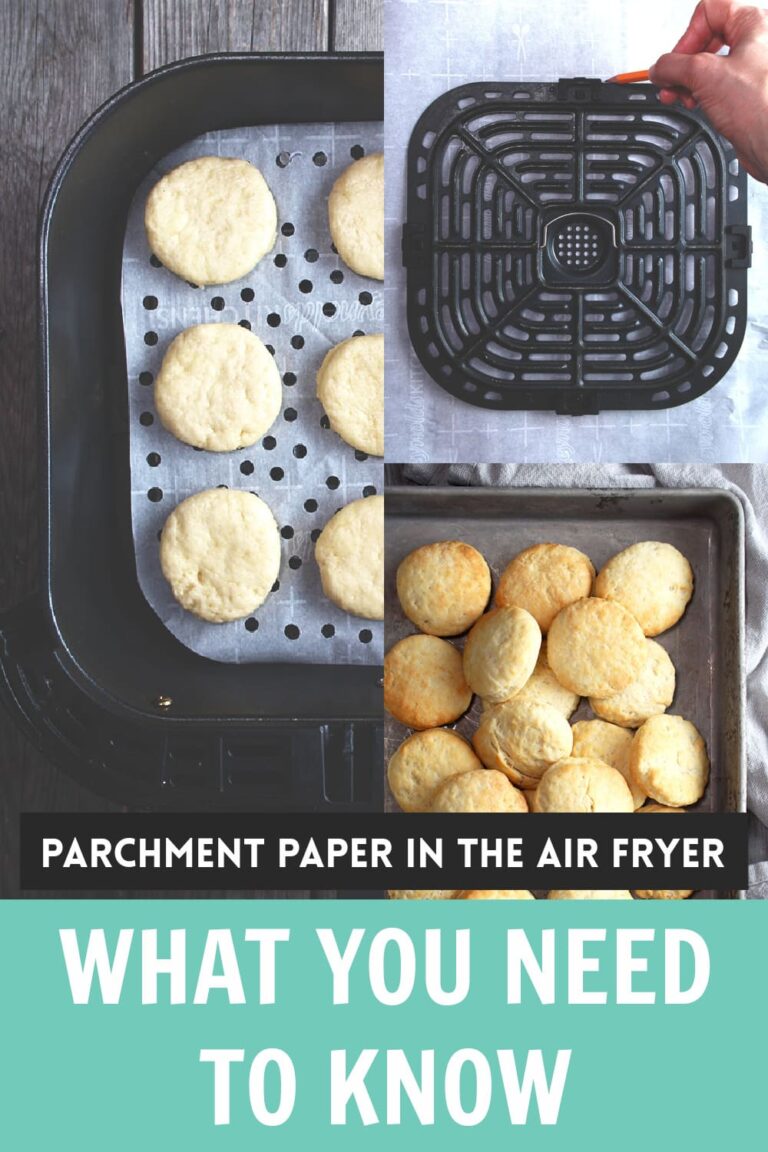
Do not wrap the potatoes in foil unless your air-fryer manufacturer specifically allows it and you understand the effect on airflow. Foil can block circulation and prevents the skin from becoming as crisp.
3. Add oil and salt
rub each dry potato with a small amount of neutral oil, such as canola, avocado, or vegetable oil. A light coating is enough.
Sprinkle with kosher salt or another coarse salt if desired. Oil helps the salt stick and supports browning, but it is not required for the potato to cook.
4. Preheat the air fryer if needed
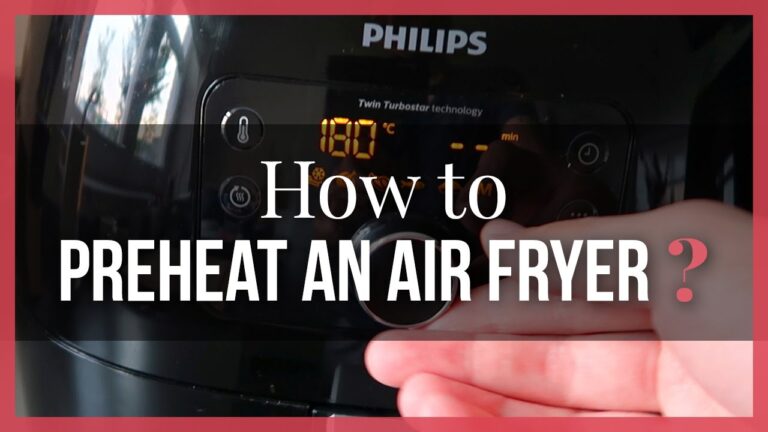
Preheat the air fryer to 400°F for about 3 to 5 minutes if your model recommends preheating.
Some air fryers heat quickly without a separate preheat cycle. If you place the potatoes into a cold basket, add a few minutes to the cooking time.
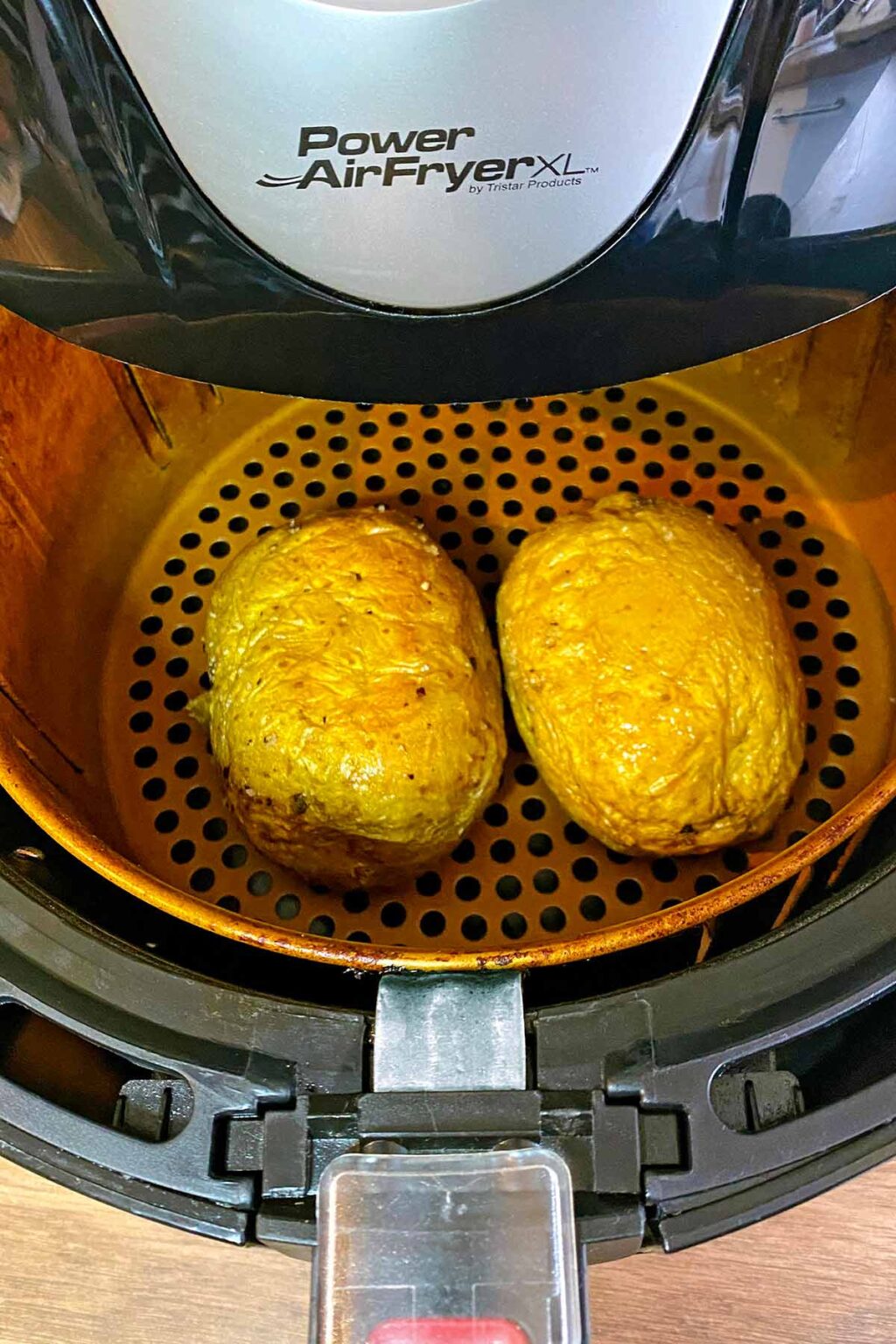
5. Cook in a single layer
Place the potatoes in the basket with space between them. Cook at 400°F for 35 to 50 minutes for medium potatoes.
Turn them after about 20 to 25 minutes. Turning is not always essential, but it can help the skin brown more evenly.
6. Check the center
Insert a thin knife, skewer, or fork into the thickest part of each potato. It should pass through with little resistance.
If the center feels firm, cook for another 5 to 10 minutes and test again. Avoid relying only on the skin color because a brown skin does not always mean the inside is done.
7. Rest, split, and serve
Remove the potatoes and let them rest for about 5 minutes. Cut a cross in the top, gently squeeze the sides, and fluff the center with a fork.
Serve at once with toppings such as butter, cheese, sour cream, chives, chili, broccoli, or beans.
How to Tell When an Air-Fried Potato Is Done
The most reliable sign is easy penetration through the center. A knife should slide into the thickest part without a hard, crunchy spot.
Other signs include:
- The skin looks dry, crisp, and lightly browned.
- The potato feels soft when gently pressed with tongs.
- The center separates into fluffy flakes when opened.
- The potato has no cool or firm patch in the middle.
A food thermometer is less useful for judging texture because potatoes do not have one universal “done” temperature like meat. If you use a thermometer, check the thickest center, but still confirm tenderness with a knife.
For food safety, serve potatoes promptly. Refrigerate leftovers within 2 hours, or within 1 hour if the room temperature is above 90°F, following guidance from the USDA.

Do You Need to Boil or Microwave Potatoes First?
No. You can air fry whole potatoes from raw. Boiling or microwaving first is optional and changes the texture and cooking time.
Microwaving can shorten the air-fryer time, but it may produce softer skin. If you want the classic crisp jacket, air frying from raw usually gives the better result.
If you are in a hurry, microwave a pierced potato until it begins to soften, then finish it in a 400°F air fryer until the skin crisps. Microwave power varies, so check the center often and avoid treating one fixed time as universal.
Boiling is usually less convenient for a whole jacket potato. It can add moisture to the skin and makes the potato easier to split or break before it reaches the air fryer.

Best Potatoes for Air Frying
Russet potatoes are the best choice for a fluffy air-fryer baked potato. Their thick skins crisp well, and their starchy centers become light when fully cooked.
Other potatoes can work, but their results differ:
- Russet or Idaho: Fluffy inside with crisp skin; the best all-purpose choice.
- Yukon Gold: Creamier and slightly denser inside with thinner skin.
- Red potatoes: Firm, moist, and waxy; better for a less fluffy result.
- Baby potatoes: Cook faster and are better suited to bite-size roasted potatoes than classic jacket potatoes.
Choose potatoes of similar size when cooking more than one. This helps them finish at roughly the same time.
Common Air-Fryer Jacket Potato Problems
The skin is not crisp
Dry the potatoes before adding oil, avoid overcrowding the basket, and cook them uncovered. Moisture trapped between potatoes can soften the skin.
You can also return the potatoes to the air fryer for 5 to 10 minutes at 400°F after the center is tender.
The outside is brown but the center is hard
The potatoes may be too large, too close together, or cooked at too high a temperature. Lower the temperature to 375°F and continue cooking until tender.
For the next batch, use medium potatoes or cook large ones at 400°F for longer rather than using very high heat.
The potatoes split open
A split usually means the potato expanded as steam built inside. Piercing the skin before cooking can reduce pressure, although potatoes may still crack naturally.
A split potato is generally usable if it is fully cooked and handled safely. Open it carefully because the steam can be very hot.
The skin burns before the potato is soft
Reduce the temperature to 375°F and continue cooking. If the skin is already dark, loosely cover the top with a small piece of foil only if your air-fryer instructions permit foil and it can be secured safely away from the heating element.
Do not allow loose foil to circulate inside the appliance.
The center is dry
Overcooking can make the flesh dry and chalky. Check smaller potatoes earlier and remove them as soon as the center is soft.
A little butter, olive oil, sour cream, or another moist topping can also improve a dry potato, but it cannot reverse severe overcooking.

Should You Wrap Jacket Potatoes in Foil?
Do not wrap potatoes in foil if your goal is crisp skin. Foil holds moisture against the skin and can make the potato taste more steamed than baked.
Foil can also interfere with air circulation. Follow the instructions for your specific air fryer if you plan to use it.
Never place loose foil in an air fryer. It may lift into the heating element or block the fan. If foil is allowed, it should be secured by food and used only in a way approved by the appliance manufacturer.
Can You Air Fry Frozen or Leftover Baked Potatoes?
Yes. Reheating a cooked potato in an air fryer can restore some crispness to the skin.
For a refrigerated baked potato, heat it at 350°F to 375°F for about 10 to 20 minutes, depending on size. Turn it once and check that the center is hot.
Do not leave cooked potatoes at room temperature for long periods. Store leftovers in a shallow container and refrigerate them promptly. Reheat only the portion you plan to eat.
Frozen baked potatoes may need more time and can have a softer or drier texture after thawing. Heat them at 350°F to 375°F until hot throughout, then increase the heat briefly if you want a crisper skin.
Air Fryer Jacket Potato Toppings
Once the potato is split and fluffed, add toppings that match the texture you want:
- Butter and black pepper for a simple side
- Cheddar cheese and sour cream for a rich topping
- Greek yogurt and chives for a lighter option
- Broccoli and cheese for a filling meal
- Chili or pulled pork for a hearty main dish
- Black beans, salsa, and avocado for a plant-based option
Add wet toppings after cooking. Sauces and dairy toppings can soften the crisp skin if added too early.
Key Takeaways
- Set the air fryer to 400°F for the best general result.
- Cook medium russet potatoes for about 35 to 50 minutes.
- Wash, dry, pierce, lightly oil, and salt the potatoes first.
- Leave room around each potato for air to circulate.
- Turn the potatoes halfway through when practical.
- Test the thickest part with a knife; it should be soft all the way through.
- Cook large potatoes longer or use 375°F if the skin browns too quickly.
- Refrigerate leftovers within 2 hours.
FAQs
Can I air fry a potato at 400°F?
Yes. 400°F is a suitable temperature for whole jacket potatoes. Medium russet potatoes usually take 35 to 50 minutes, but size and air-fryer design affect the timing.
Do I need to soak potatoes before air frying?
No. Soaking is useful for some fries because it removes surface starch, but it is not needed for whole baked potatoes. For crisp skin, washing and drying the potato is more useful.
Should I put oil on an air-fryer baked potato?
Oil is optional, but a thin coating helps the skin brown and crisp. Too much oil can make the skin greasy rather than crisp.
Why is my air-fryer baked potato still hard?
It likely needs more time, especially if it is large or the basket is crowded. Cook it for another 5 to 10 minutes and test the thickest part again.
Can I cook several potatoes at once?
Yes, as long as the potatoes fit in a single layer with space between them. Several large potatoes may need extra time because they reduce airflow and take longer to heat through.
What is the difference between a jacket potato and a baked potato?
They are essentially the same dish. “Jacket potato” is common in the United Kingdom, while “baked potato” is the usual term in the United States.
Conclusion
For most home air fryers, 400°F is the right temperature for jacket potatoes. Cook medium russet potatoes for 35 to 50 minutes, turn them once, and test the center with a knife before serving.
The best result comes from dry potatoes, good airflow, a light coat of oil, and patience. When the skin is crisp and the center is soft and fluffy, your air-fryer baked potatoes are ready.