What Is An Air Fryer Good For: Best Uses Explained
Introduction
An air fryer is useful for making crisp, browned food with little oil and less time than a full-size oven. In U.S. kitchens, it works well for frozen foods, vegetables, chicken, fish, reheating leftovers, and small baked dishes.
An air fryer does not truly fry food in oil. It uses fast-moving hot air to cook and brown food. The result is often similar to fried food, but the texture and flavor depend on the food, cooking time, temperature, and amount of oil used.

What Is an Air Fryer?
An air fryer is a small countertop convection oven. A heating element warms the air, while a fan moves that air around the food. The hot air cooks the surface and helps create browning and crisp edges.
Most air fryers have:
- A removable basket or cooking tray
- A heating element above the food
- A fan for air circulation
- Digital or manual temperature controls
- A timer
- Safety features that pause heating when the basket is removed
Many models use temperatures from about 180°F to 400°F. Some models also include roast, bake, broil, dehydrate, or reheat settings. These labels can be useful, but the basic cooking method remains hot-air convection.
Air fryer versus deep fryer
A deep fryer cooks food in hot oil. An air fryer cooks food mostly with hot air and usually needs only a small amount of oil, such as a light coating or spray.
This difference affects the final result:
- Air fryer: Dry, crisp surfaces with little added oil
- Deep fryer: A richer crust and more traditional fried texture
- Oven: Similar cooking method, but often slower because the cooking space is larger
- Toaster oven: May offer more space and flexibility, but may not circulate air as quickly as a basket air fryer
An air fryer is best viewed as a compact convection oven, not as a small deep fryer.

What Is an Air Fryer Good For?
An air fryer is good for cooking small portions that benefit from dry heat, browning, or crisp edges. It is especially helpful when you do not want to heat a full-size oven.
1. Cooking frozen foods
Frozen foods are among the easiest items to cook in an air fryer. The moving heat can brown the outside while the inside warms quickly.
Common examples include:
- French fries
- Tater tots
- Hash brown patties
- Chicken nuggets
- Mozzarella sticks
- Fish sticks
- Frozen vegetables
- Taquitos
- Pizza rolls
- Frozen egg rolls
You often do not need to thaw these foods first. Start with the package directions, then adjust the time or temperature if needed. Shake the basket or turn the food partway through cooking for more even browning.
2. Reheating leftovers
An air fryer can reheat many foods better than a microwave. It helps restore crispness instead of making the food soft or wet.
It works well for:
- Pizza
- Fried chicken
- French fries
- Roasted potatoes
- Breaded fish
- Chicken wings
- Sandwiches
- Baked pasta with a firm top
Use a lower temperature, often around 300°F to 350°F, so the outside does not burn before the center is warm. Food thickness matters. A thick piece of chicken may need more time than a thin slice of pizza.
3. roasting vegetables
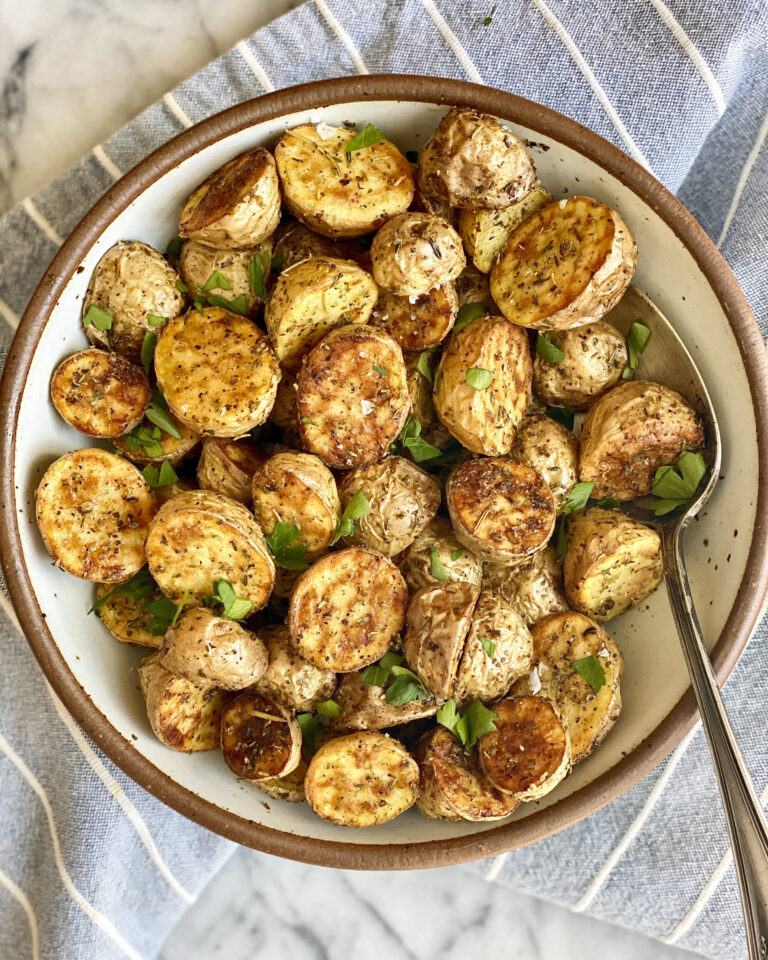
An air fryer can roast vegetables quickly and give them browned edges. This works best with vegetables cut into pieces of similar size.
Good choices include:
- Broccoli
- Cauliflower
- Brussels sprouts
- Carrots
- Green beans
- Zucchini
- Bell peppers
- Asparagus
- Sweet potatoes
- Small potatoes
Toss the vegetables with a small amount of oil and seasonings. Avoid packing the basket tightly. Crowding traps steam and can leave the vegetables soft.
4. Cooking chicken, fish, and other proteins
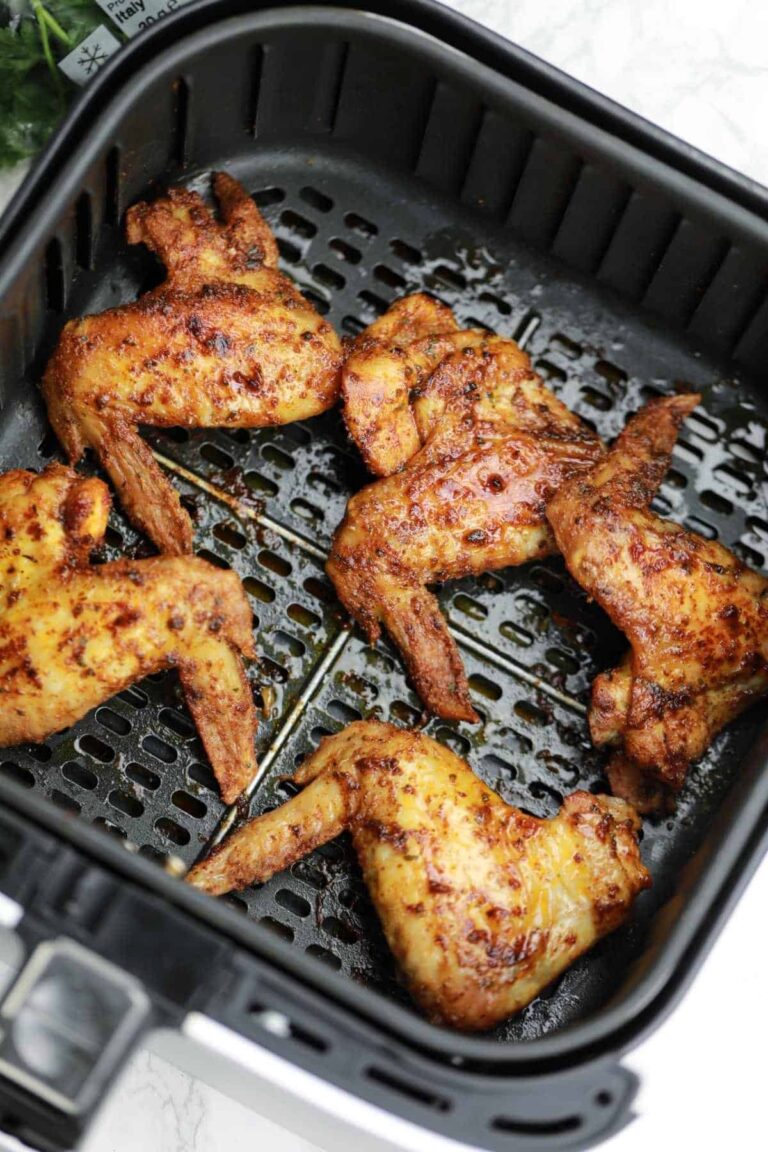
An air fryer can cook many small cuts of meat and seafood. It is useful for chicken wings, chicken breasts, pork chops, salmon, shrimp, and breaded fish.
The main benefit is surface browning with little added oil. However, the cooking time depends on thickness, starting temperature, and the air fryer model.
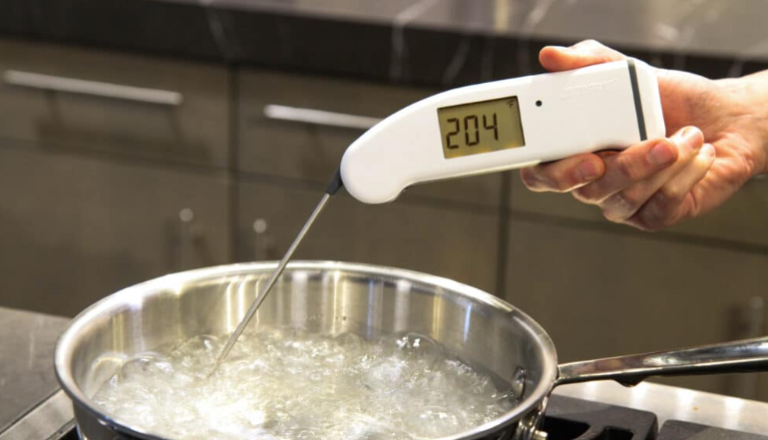
Use a food thermometer rather than color alone. The U.S. Department of Agriculture recommends cooking poultry to an internal temperature of 165°F. Other meats and seafood have different safe temperature guidance, so check the USDA chart when needed.
5. Making crisp snacks
An air fryer is useful for quick snacks made from fresh ingredients. Examples include:
- Tortilla chips
- Apple slices
- Chickpeas
- Kale chips
- Seasoned nuts
- Toasted ravioli
- Potato wedges
- Sweet potato fries
Thin foods can burn quickly. Check them often near the end of cooking, especially when using a temperature above 375°F.
6. Baking small portions
Some air fryers can bake small items, such as:
- Cookies
- Muffins
- Brownies
- Biscuits
- Small cakes
- Hand pies
- Baked oatmeal
Use an oven-safe pan that fits the basket. The pan should not block all air movement. Small baked goods may cook faster than they would in a full-size oven, so begin checking early.
7. Cooking for one or two people
An air fryer can be convenient for small households. It heats a small cooking chamber instead of a large oven, and many foods cook in less time.
This can help with:
- Single servings
- Quick lunches
- Small side dishes
- Weeknight meals
- Snacks between meals
- Reheating one or two portions
A small basket can also become inefficient if you need to cook several batches. For a large family meal, a full-size oven or large convection oven may be faster.

How to Use an Air Fryer Well
Good results depend more on airflow and food size than on the appliance’s preset buttons.
Step 1: Read the manual
Air fryers vary in basket size, heating power, controls, and cleaning rules. Check the manual before using parchment paper, foil, cooking spray, or accessories.
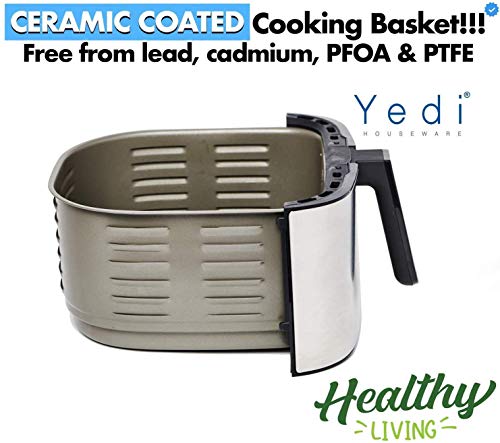
Some manufacturers allow dishwasher cleaning. Others recommend hand washing certain parts. Follow the instructions for your model.
Step 2: Preheat only when useful
Some air fryers need little or no preheating. Preheating can help with foods that need a quick crust, such as steak, breaded fish, or biscuits.
If the recipe or package directions include a preheat step, follow it. Otherwise, you can often add a few minutes to the cooking time and check the food early.
Step 3: Cut food into even pieces
Similar-sized pieces cook at a similar rate. Large pieces may stay raw inside while small pieces become too dark.
For vegetables and potatoes, aim for pieces with roughly the same thickness. For meat, place thicker pieces toward the center only if the model’s airflow supports even cooking, and check the thickest piece with a thermometer.
Step 4: Add a small amount of oil when needed
Oil helps food brown and can improve texture. You usually need much less oil than with deep frying.
Use:
- A light coating of cooking oil
- A small amount tossed with vegetables
- A brush or mister designed for oil
Avoid using aerosol sprays that may damage some nonstick coatings. Check the appliance manual.
Step 5: Leave space around the food
Air must move around the food. A crowded basket can cause uneven cooking and a soft surface.
For the best texture:
- Place food in a single layer when possible.
- Leave small gaps between pieces.
- Shake or turn food halfway through.
- Cook in batches if the basket is full.
A single layer is not always required, but it is often the best choice for crisp food.
Step 6: Check early
Cooking charts are starting points, not guarantees. Air fryers differ in size and power, and foods vary in thickness.
Check food several minutes before the suggested end time. For meat and poultry, check the internal temperature in the thickest part.
Signs of success
Your food is likely done when:
- The outside is browned as expected
- The center reaches a safe temperature
- The texture is firm or tender as the recipe requires
- Steam is no longer escaping from the center of thick foods
- Frozen food is hot throughout
If the food is pale but cooked, use a little oil and more airflow. If it is dark outside but raw inside, lower the temperature and cook longer.

Air Fryer Cooking Guide
The table below gives general starting points. Exact results vary by food size, brand, basket design, and whether the food is fresh or frozen.
| Food | Starting temperature | General approach |
|---|---|---|
| French fries, frozen | 375°F to 400°F | Shake during cooking and check for crispness |
| Chicken wings | 375°F to 400°F | Arrange in a loose layer and verify safe temperature |
| Salmon portions | 375°F to 400°F | Cook until the center flakes and reaches a safe temperature |
| Broccoli | 375°F to 400°F | Toss with oil and shake once |
| Small potatoes | 375°F to 400°F | Cut evenly and turn during cooking |
| Chicken breast | 350°F to เข 375°F | Use a thermometer in the thickest part |
| Pizza leftovers | 325°F to 350°F | Heat until the center is warm |
| Frozen vegetables | 375°F to 400°F | Shake often to reduce soft spots |
The best temperature depends on the goal. Higher heat may improve browning, while lower heat gives thick foods more time to warm through.

What Should You Not Cook in an Air Fryer?
An air fryer is not suitable for every food. Foods that need a lot of liquid, a sealed environment, or deep oil may not work well.
Avoid or use caution with:
- Wet batter: A loose batter may drip through the basket before it sets.
- Very light foods: Parchment, bread, or thin cheese can move into the heating element.
- Large amounts of cheese: Melted cheese can stick, smoke, and create a difficult mess.
- Popcorn: Many air fryers do not reach the right conditions for reliable popcorn popping.
- Large whole foods: A whole turkey or large roast may not fit or cook evenly.
- Foods with too much liquid: Soups and stews belong in a suitable pot or pressure cooker.
- Unapproved cookware: Glass, ceramic, silicone, or metal pans must be rated for the air fryer’s temperature and size.
Raw rice and dry beans also need water and a suitable cooking method. An air fryer cannot replace a pot for boiling or simmering.
Can you use aluminum foil?
Many air fryer manufacturers allow aluminum foil, but the foil must not block airflow or touch the heating element. It should be held down by food and used only as directed in the manual.
Do not cover the entire basket without a reason. Blocking the air path can reduce cooking performance and may create a safety problem.
Can you use parchment paper?
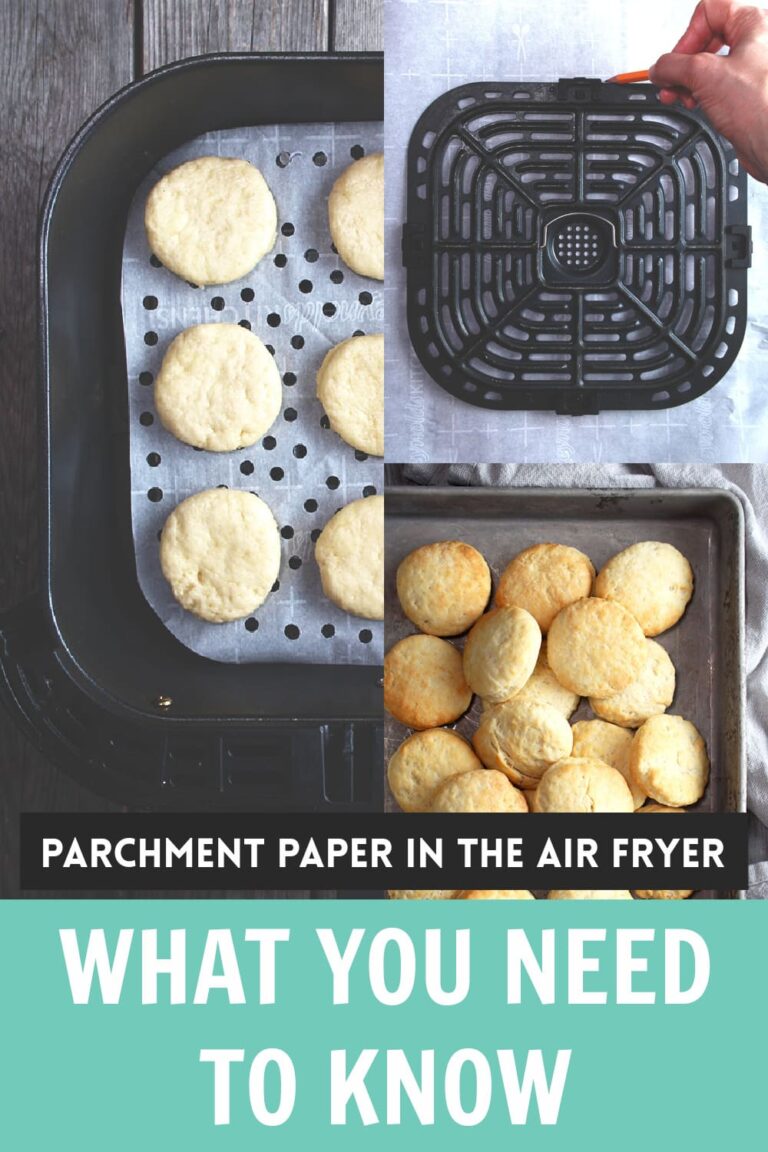
Use parchment paper only when it is rated for the cooking temperature and designed for air fryer use. Do not place loose parchment in the basket during preheating. The fan may lift it into the heating element.
Perforated parchment can allow more airflow, but it still must be used according to the appliance instructions.
Are Air Fryers Healthier?
An air fryer may help reduce the amount of added oil compared with deep frying, but it does not automatically make every food healthy.
A breaded frozen snack is still a processed food even when cooked in an air fryer. A large serving of fries may still be high in calories and sodium. The health effect depends on the food, portion size, ingredients, and overall eating pattern.
Air frying can support a balanced meal when you use it for:
- Vegetables
- Fish
- Lean poultry
- Beans or chickpeas
- Small portions of potatoes
- Homemade snacks with controlled salt and oil
Acrylamide considerations
Acrylamide can form when some plant foods are cooked at high temperatures and become very brown. The U.S. Food and Drug Administration advises avoiding excessive browning and using varied cooking methods.
This does not mean you must avoid air-fried food. Use reasonable temperatures, avoid burning food, and do not cook every item until very dark.

Air Fryer Safety Tips
Use an air fryer on a stable, heat-resistant surface with space around its vents. Do not place it directly under cabinets if the manual warns against overhead clearance.
Follow these safety habits:
- Keep the cord away from hot surfaces.
- Do not overfill the basket.
- Keep water away from the electrical base.
- Use oven mitts when handling hot trays or baskets.
- Open the basket carefully because hot steam may escape.
- Clean grease and food buildup after the appliance cools.
- Stop using the appliance if the cord, plug, basket, or coating is damaged.
- Do not leave the appliance unattended if the manual advises against it.
- Keep children away from the hot basket and exterior.
Grease buildup can smoke at high temperatures. If the appliance starts smoking, turn it off and unplug it if it is safe to do so. Do not pour water onto an electrical appliance or a grease fire. For a fire, leave the area and call 911 when needed.

How to Clean an Air Fryer
Clean the basket and tray after each use if they contain grease, crumbs, or food residue. Let the appliance cool before cleaning.
A simple process is:
- Unplug the air fryer.
- Remove the basket and tray.
- Wash removable parts according to the manual.
- Soak stuck-on food in warm, soapy water if permitted.
- Wipe the inside with a damp cloth.
- Keep water away from the heating element and electrical base.
- Dry all parts before putting them back.
Do not use harsh tools that can damage a nonstick coating. A damaged coating, loose part, or unusual electrical smell is a reason to stop using the appliance and check the manufacturer’s support guidance.

Air Fryer Pros and Cons
An air fryer can be a useful tool, but it is not always the best cooking method.
| Advantages | Limitations |
|---|---|
| Produces crisp edges with little oil | Has limited cooking space |
| Reheats fried foods well | Can require several batches |
| Uses less energy than heating some large ovens for small meals | May cook unevenly when crowded |
| Heats quickly | Does not replace boiling or simmering |
| Works well for frozen foods | Wet batter often fails |
| Can roast vegetables and small proteins | Requires cleaning after greasy foods |
The deciding factor is the portion size. An air fryer is efficient for one or two servings, but a full-size oven may be more practical for a large meal.

Frequently Asked Questions
Is an air fryer worth having?
An air fryer may be worth having if you often cook small meals, frozen foods, roasted vegetables, or crisp leftovers. It may be less useful if you already have a powerful convection oven and usually cook for a large household.
Can an air fryer replace a microwave?
No. An air fryer is better for browning and crisping. A microwave is usually faster for heating liquids, soft foods, and large portions. Many kitchens benefit from having both because they serve different purposes.
Does an air fryer use a lot of electricity?
An air fryer uses electricity, but it heats a small space. For a small meal, it may use less energy than heating a large oven. The exact cost depends on wattage, cooking time, local electricity rates, and whether the full-size oven would have been used instead.
To estimate the cost:
Cost = appliance wattage ÷ 1,000 × hours used × electricity price per kilowatt-hour
For example, a 1,500-watt air fryer used for 30 minutes consumes about 0.75 kilowatt-hours before accounting for cycling and actual power draw.
Can I cook raw chicken in an air fryer?
Yes, if the chicken fits safely and cooks evenly. Use a food thermometer. Poultry should reach 165°F in the thickest part, according to the USDA. Do not rely on the outside color alone.
Why is my air-fried food not crispy?
Common causes include crowding, excess moisture, too little oil, low heat, or skipping a shake or turn. Pat wet foods dry, use a loose layer, and cook in batches. Some frozen foods are designed to crisp better than others.
Can I put an air fryer on a countertop?
Usually, yes, if the countertop is stable and heat resistant. Keep the appliance away from water, flammable items, and areas where hot air could damage cabinets. Follow the clearance instructions in the manual.

Conclusion
An air fryer is good for crisping, roasting, reheating, and cooking small portions. It is especially useful for frozen foods, vegetables, chicken, fish, potatoes, snacks, and leftovers.
For the best results, leave room for airflow, use a small amount of oil when needed, check food early, and verify meat with a thermometer. Choose a full-size oven, stovetop, microwave, or another appliance when the food needs boiling, simmering, deep oil, or more cooking space.