What To Use In An Air Fryer: Best Foods And Tips
Introduction
In the United States, an air fryer can cook much more than frozen fries and chicken wings. You can use it for vegetables, fish, steak, baked goods, reheated leftovers, and small casseroles—if the food and cookware can handle high heat and strong moving air.
The safest rule is simple: use only heat-safe items that fit inside the basket or cooking chamber without blocking airflow. Metal pans, oven-safe glass, silicone molds, parchment made for air fryers, and aluminum foil may all work under the right conditions. Avoid plastic, loose paper, and anything that the appliance manual does not approve.
This guide explains what to put in an air fryer, what to avoid, how to choose the right accessory, and how to cook food safely in a U.S. home kitchen.
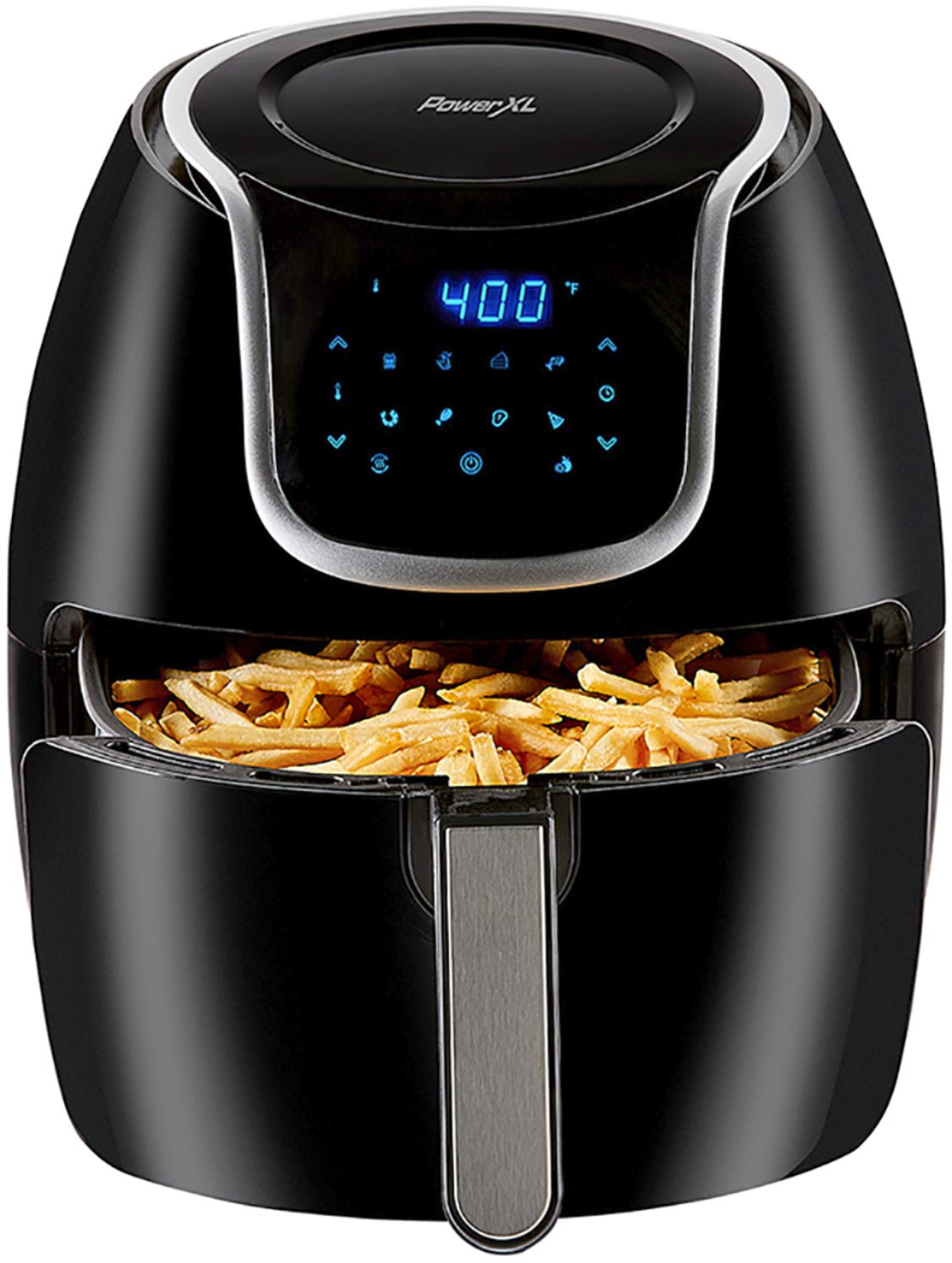
Quick answer: What can you use in an air fryer?
You can use the following items in most air fryers:
- The air fryer basket or crisper plate
- Small metal baking pans
- Oven-safe glass or ceramic dishes
- Food-grade silicone cups and molds rated for the cooking temperature
- Air-fryer parchment liners with holes
- Aluminum foil, when it is secured by food and allowed by the manual
- Wooden or bamboo skewers, if they fit and do not touch the heating element
- Oven-safe racks and accessories made for your specific model
You can cook fresh, frozen, refrigerated, or leftover foods, including:
- Vegetables
- Potatoes
- Chicken, beef, pork, and seafood
- Frozen snacks
- Bread and baked goods
- Tofu and plant-based foods
- Pizza and sandwiches
- Small portions of casseroles
Do not use plastic containers, plastic wrap, wax paper, loose parchment, paper towels, or wet batter that can drip through the basket. Always check the manufacturer’s manual because air fryer designs differ.
Which cookware is safe in an air fryer?
The best cookware is small, heat-safe, and designed to leave room for hot air to move around the food. An air fryer works like a compact convection oven, so the container must tolerate oven-level heat.
Metal pans
Metal is often the most useful choice. Small aluminum, stainless steel, or oven-safe carbon-steel pans can hold foods that would otherwise drip through the basket.
Use a metal pan for:
- Brownies and small cakes
- Scrambled eggs or frittatas
- Saucy foods
- Lasagna or baked pasta
- Fish that may fall apart
- Foods with cheese or marinade
Choose a pan that leaves space around its sides. A pan that fills the entire basket may stop air from reaching the food. This can lead to slower cooking and less browning.
Oven-safe glass
Oven-safe glass dishes may work in an air fryer, but they need careful handling. Use only glass marked or documented as oven-safe. Do not move a cold glass dish straight into a very hot air fryer, and do not place a hot dish on a wet or cold surface.
Avoid glass that is:
- Not labeled for oven use
- Chipped or cracked
- Decorative rather than heat-rated
- Taken directly from a refrigerator or freezer without checking its thermal-shock limits
A glass dish can be useful for moist foods, but it may brown the bottom less than a metal pan.
Ceramic and stoneware
Oven-safe ceramic and stoneware may also fit in an air fryer. The dish must be small enough to allow air circulation and should not have cracks or damaged glaze.
Ceramic heats more slowly than thin metal. Food may need extra time, and the outside of the dish can become very hot. Use heat-resistant gloves when removing it.
Silicone molds
Food-grade silicone cups, muffin liners, egg molds, and small baking molds are common air fryer accessories. Use silicone that is rated for temperatures higher than the setting you plan to use.
Silicone is useful for:
- Egg bites
- Muffins
- Small cakes
- Meatloaf portions
- Baked oatmeal
- Individual desserts
Silicone may make food softer because it does not conduct heat as quickly as metal. Place flexible molds on a firm tray or inside the basket when possible.
Parchment paper
Use parchment paper only when it is labeled for oven or air-fryer use. Perforated parchment liners are made to let air pass through and are usually more suitable than a solid sheet.
Follow these rules:
- Put the parchment under food, not in the empty basket.
- Weigh it down with food so it cannot reach the heating element.
- Keep it below the liner’s stated temperature limit.
- Use a size that does not fold up the sides.
- Replace it if it becomes scorched or damaged.
Loose parchment can lift into the heating element. That creates a fire risk.
Aluminum foil
Aluminum foil can help contain drips or wrap delicate foods, but its use depends on the air fryer design. Some manuals allow foil in the basket; others warn against blocking vents or placing foil near the heating element.
If the manual permits it:
- Use a small amount.
- Keep it secured by food.
- Do not cover the entire basket.
- Do not block air vents.
- Do not place foil in the bottom of the appliance beneath the basket.
- Keep foil away from the heating coil.
Do not use foil with highly acidic foods for long cooking periods. Acidic ingredients include tomatoes, vinegar, citrus juice, and some marinades. The acid may react with the foil and affect the food’s taste or appearance.
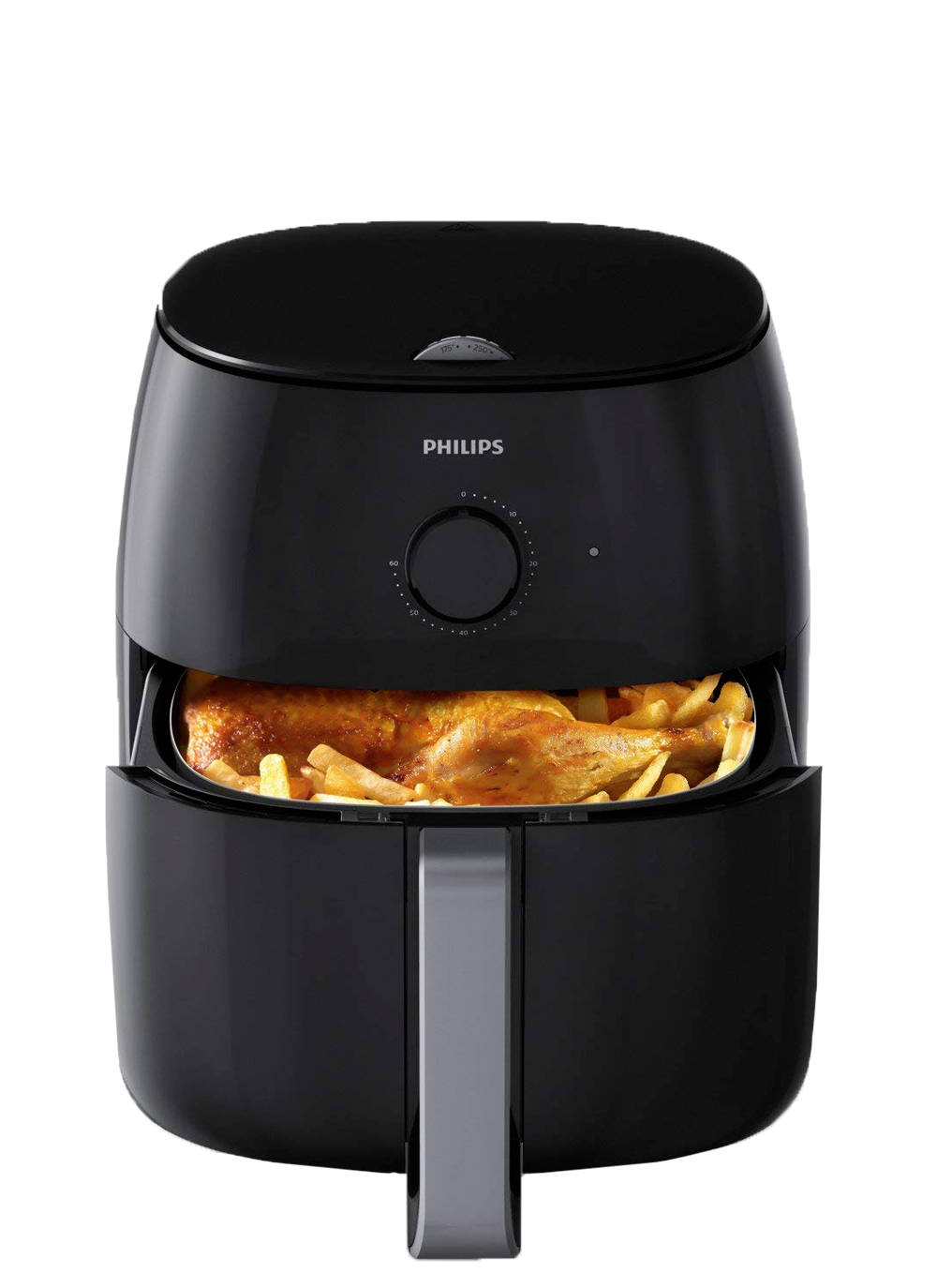
What foods can you cook in an air fryer?
An air fryer can cook or reheat many foods, but the best results come from foods that benefit from dry, moving heat.
Vegetables
Air frying works well for vegetables with some surface moisture and a firm texture. Good choices include:
- Broccoli
- Cauliflower
- Brussels sprouts
- Green beans
- Zucchini
- Bell peppers
- Asparagus
- Carrots
- Sweet potatoes
- Corn on the cob
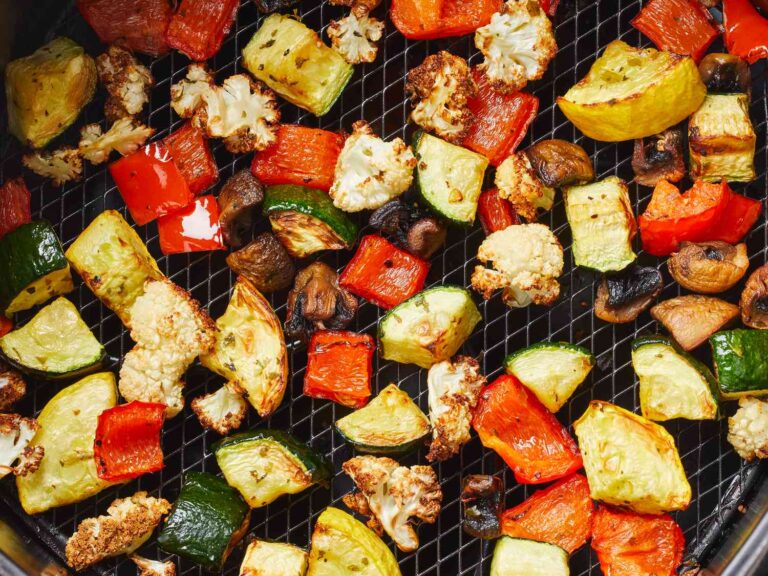
Toss vegetables with a small amount of oil and spread them in a single layer. Cut pieces into similar sizes so they finish at the same time.
Leafy greens can blow around and burn. If you air-fry kale or other light leaves, keep them in place with heavier food and use a moderate temperature.
Potatoes
Air fryers are well suited to:
- French fries
- Potato wedges
- Hash browns
- Tater tots
- Baby potatoes
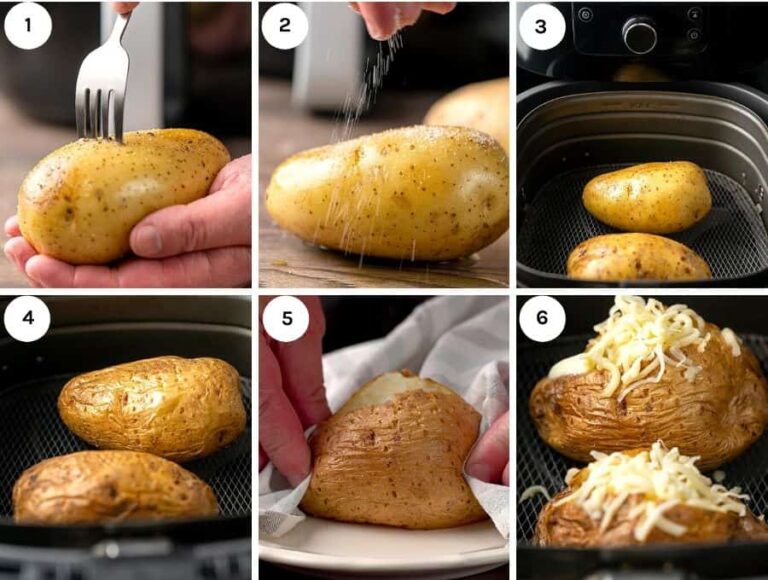
- Baked potatoes
Dry cut potatoes before cooking. Excess surface water slows browning and can make the outside less crisp. Shake or turn the potatoes during cooking if the manual recommends it.
Meat and poultry
You can use an air fryer for chicken, turkey, beef, and pork. Small cuts usually cook more evenly than large roasts.
Suitable foods include:
- Chicken wings
- Chicken thighs
- Chicken breasts
- Pork chops
- Meatballs
- Burgers
- Steak
- Sausages
- Bacon
Use a food thermometer rather than color alone. The U.S. Department of Agriculture recommends cooking poultry to 165°F, ground meats to 160°F, and whole cuts of beef, pork, veal, and lamb to 145°F, followed by a three-minute rest. Check the current USDA safe minimum internal temperature chart for detailed guidance.
Fish and seafood
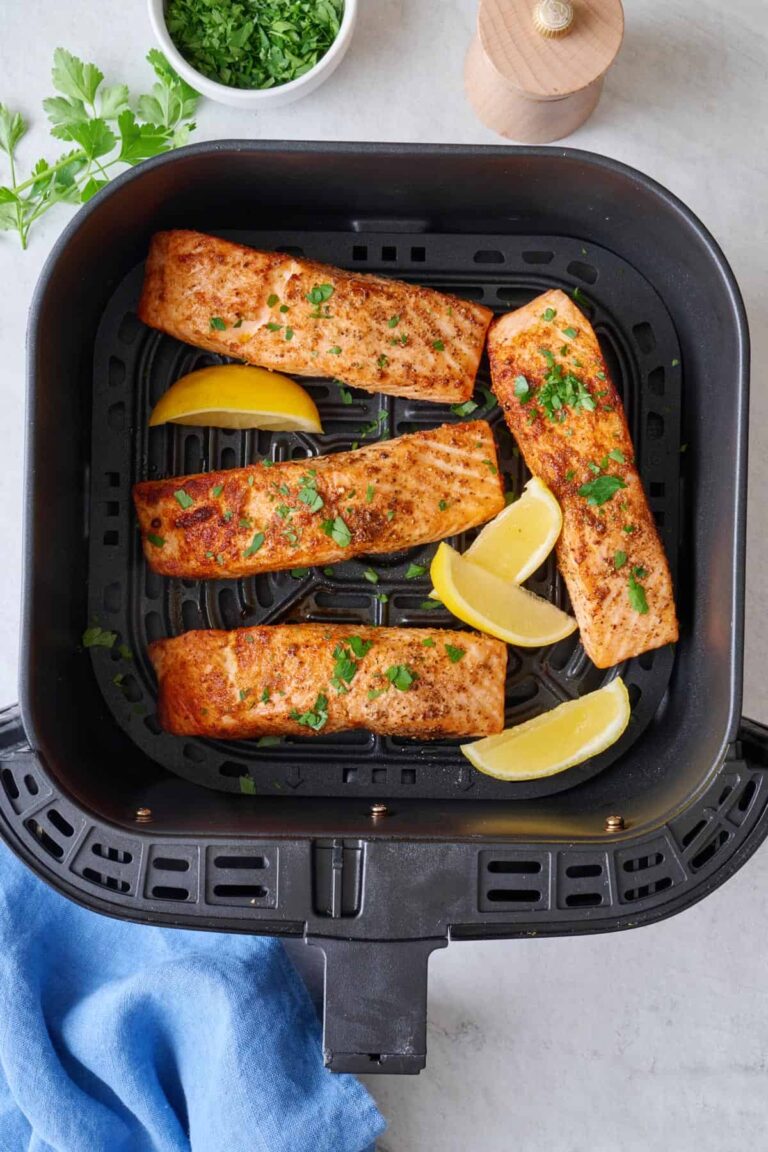
Air fryers can cook salmon, white fish, shrimp, scallops, and breaded seafood. Use a small pan or parchment sling if the fish is delicate.
The FDA Food Code and USDA guidance commonly use 145°F as the safe internal temperature for fish. Shrimp and scallops should become firm and opaque. A thermometer is the most reliable check for thick pieces.
Frozen foods
Frozen foods often cook well because they are already portioned and coated. Examples include:
- French fries
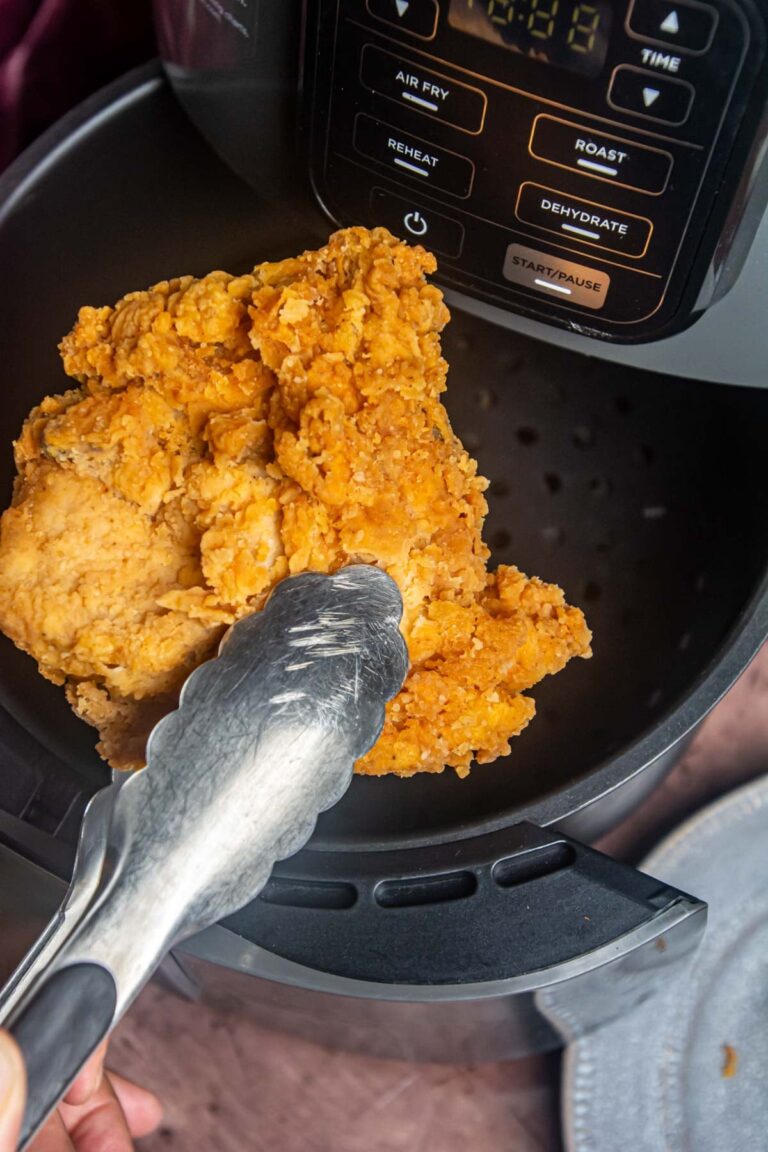
- Chicken tenders
- Mozzarella sticks
- Fish sticks
- Frozen vegetables
- Egg rolls
- Taquitos
- Pizza snacks
Read the package directions, then adjust for your model. Avoid stacking frozen foods too deeply. A crowded basket traps steam and reduces crisping.
Baked foods
You can bake small portions of:
- Muffins
- Cookies
- Brownies
- Biscuits
- Cinnamon rolls
- Hand pies
- Small cakes
- Bread rolls
Use a metal pan or silicone mold that fits with room around it. Lower the temperature slightly if the top browns before the center cooks. Covering the top loosely with foil may protect delicate batter, but the foil must be secured and approved for the appliance.
Wet batter
Thin, wet batter is usually a poor fit for a standard air fryer basket. It can drip through the holes before it sets.
Instead, use:
- A small oven-safe pan
- A silicone mold
- A thick breading system
- A batter that is designed to set quickly
Do not pour loose pancake batter, tempura batter, or cake batter directly into a perforated basket.
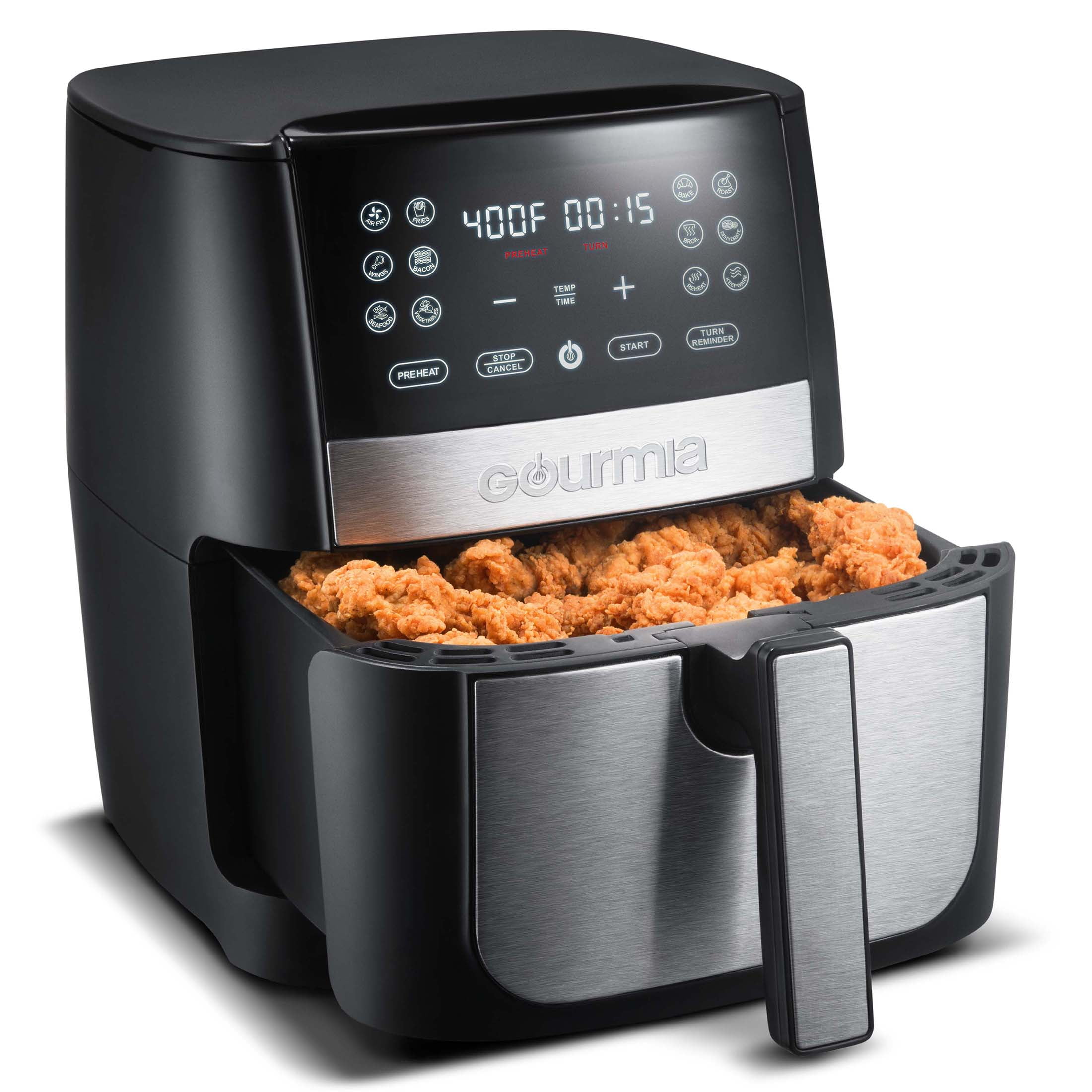
What oil should you use in an air fryer?
Use a small amount of cooking oil with a smoke point suited to the temperature. Oil helps food brown and prevents some foods from drying out, but an air fryer does not need food to be submerged in oil.
Useful choices include:
- Avocado oil
- Canola oil
- Vegetable oil
- Peanut oil, if no one has a peanut allergy
- Olive oil for moderate-temperature cooking
- Refined coconut oil
Apply oil with a brush, a measured spoon, or a fine mist sprayer designed for cooking oil. Some aerosol sprays contain additives that may damage certain nonstick coatings. Check the appliance manual.
Avoid pouring oil into the bottom of the air fryer unless the manual specifically instructs you to do so. Extra oil can collect below the basket, smoke, and become difficult to clean.
Foods that often need little or no added oil include:
- Frozen fries
- Breaded frozen foods
- Bacon
- Sausages
- Chicken wings with skin
- Naturally oily fish
Foods that may benefit from a light coating include:
- Fresh potatoes
- Dry vegetables
- Tofu
- Lean chicken
- Homemade breaded foods

How to use an air fryer correctly
Use the following process for most foods. Adjust the time and temperature for your model, food size, and recipe.
1. Read the manual first
Look for instructions about:
- Preheating
- Aluminum foil
- Parchment
- Dishwasher cleaning
- Maximum fill level
- Cooking pans
- Smoke from fatty foods
- Required clearance around the appliance
The manual is the controlling source for model-specific restrictions.
2. Choose the right container
Use the basket for foods that need maximum airflow. Use a pan or mold for foods that are liquid, crumbly, delicate, or too small for the basket openings.
The container should sit flat and leave room between its walls and the air fryer chamber.
3. Prepare the food
Pat wet foods dry. Cut food into similar sizes. Add a small amount of oil when needed, and season before cooking.
For breaded food, press the coating onto the surface. Loose crumbs can burn or blow into the heating element.
4. Preheat only when useful
Preheating can help food brown at the start, but not every recipe requires it. Follow the recipe or manual. If you place food in a cold appliance, expect the cooking time to change.
5. Avoid overcrowding
Arrange food in one layer when crispness matters. Leave gaps between pieces. Cook in batches rather than filling the basket to the top.
Overcrowding is one of the most common reasons food turns soft instead of crisp.
6. Shake, turn, or rotate as needed
Shake small foods such as fries and vegetables. Turn larger pieces halfway through cooking. Rotate a pan if one side browns more quickly.
7. Check doneness safely
Use a food thermometer for meat, poultry, and thick seafood. For baked goods, check the center with a toothpick or follow the recipe’s doneness test.
8. Remove the food carefully
The basket, pan, and cooking chamber can remain hot after the air fryer stops. Use oven mitts, place hot cookware on a heat-safe surface, and allow the appliance to cool before cleaning.
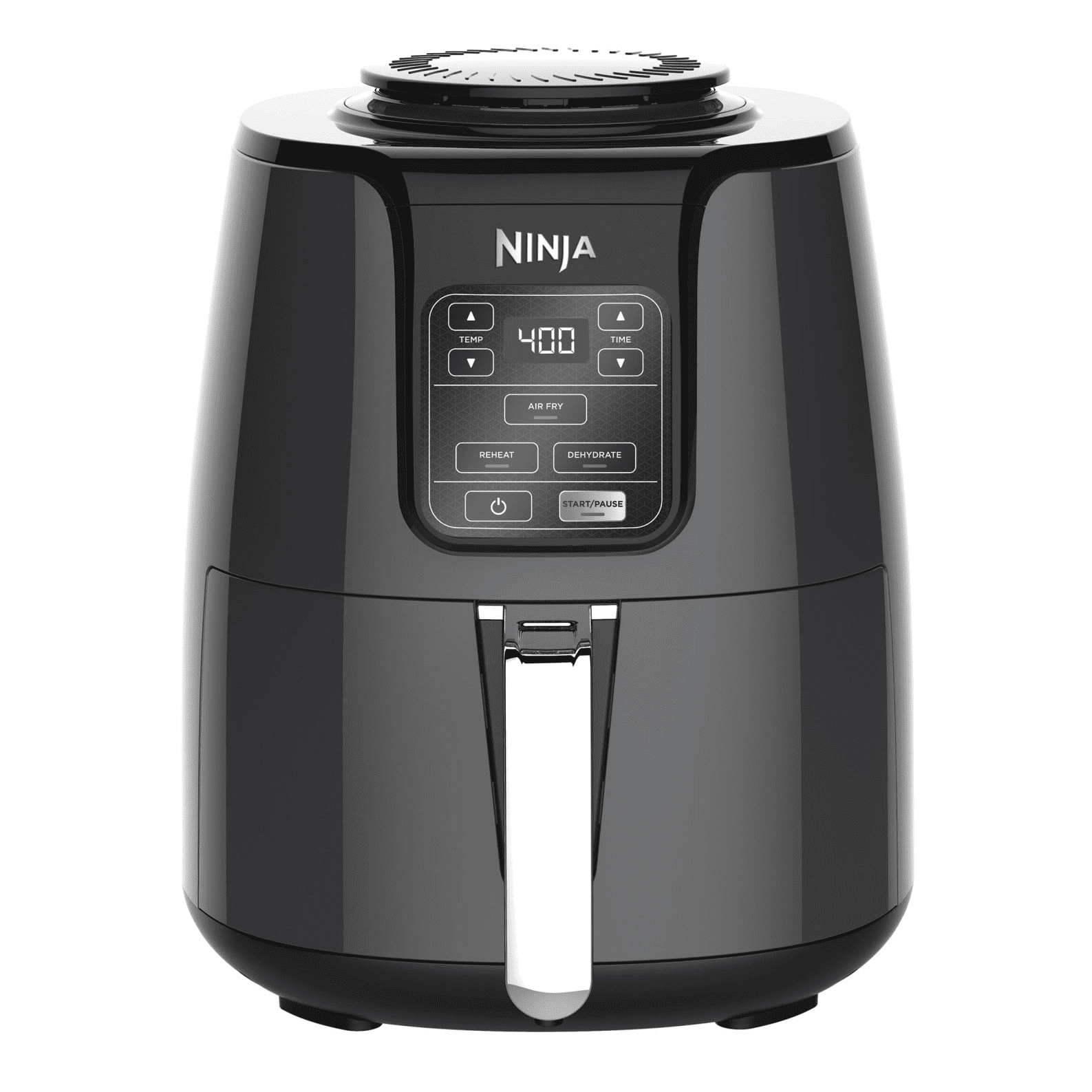
Air fryer items to avoid
Some items are unsafe or perform poorly because they melt, burn, block airflow, or create a fire hazard.
| Item | Why to avoid it |
|---|---|
| Plastic containers | They may melt or release unwanted chemicals |
| Plastic wrap | It can melt and contact the heating element |
| Wax paper | Wax can melt and the paper may scorch |
| Paper towels | They can lift into the heating element and burn |
| Loose parchment | It can fly upward and ignite |
| Cardboard | It may burn and is not designed for high heat |
| Wet batter in the basket | It can drip through the holes and make a mess |
| Large amounts of oil | They can smoke, splatter, or create a fire risk |
| Empty foil sheets | They can move into the heating coil |
| Aerosol cooking spray used carelessly | It may damage some coatings or create overspray |
| Oversized cookware | It blocks airflow and may touch the heating element |
| Flammable decorations | They do not belong near a hot appliance |
Do not operate the air fryer on a stove while another burner is on. Keep the appliance away from curtains, cabinets, paper goods, and other heat-sensitive materials. The U.S. Consumer Product Safety Commission provides appliance fire-safety information at CPSC.gov.
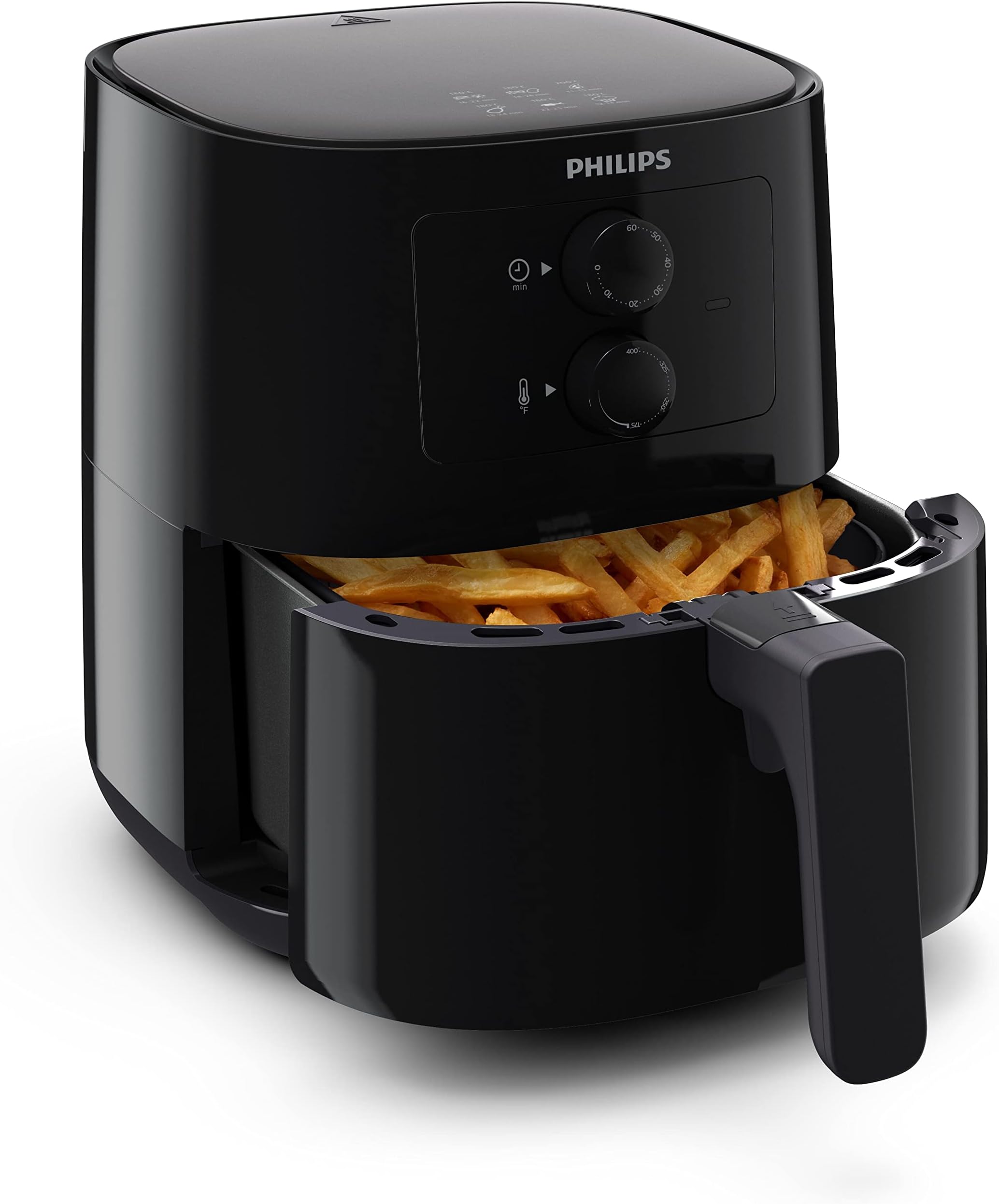
How to choose an air fryer accessory
Choose the accessory based on the food, not on the accessory’s appearance.
| Food or task | Best option | Main reason |
|---|---|---|
| Fries and vegetables | Basket or crisper plate | Maximum airflow |
| Cake or brownies | Small metal pan | Even structure and easy removal |
| Egg bites | Silicone cups or mold | Prevents sticking and holds liquid |
| Saucy food | Oven-safe pan | Stops leaks through the basket |
| Delicate fish | Parchment or small pan | Reduces sticking and breakage |
| Small baked goods | Silicone mold or metal pan | Holds batter in place |
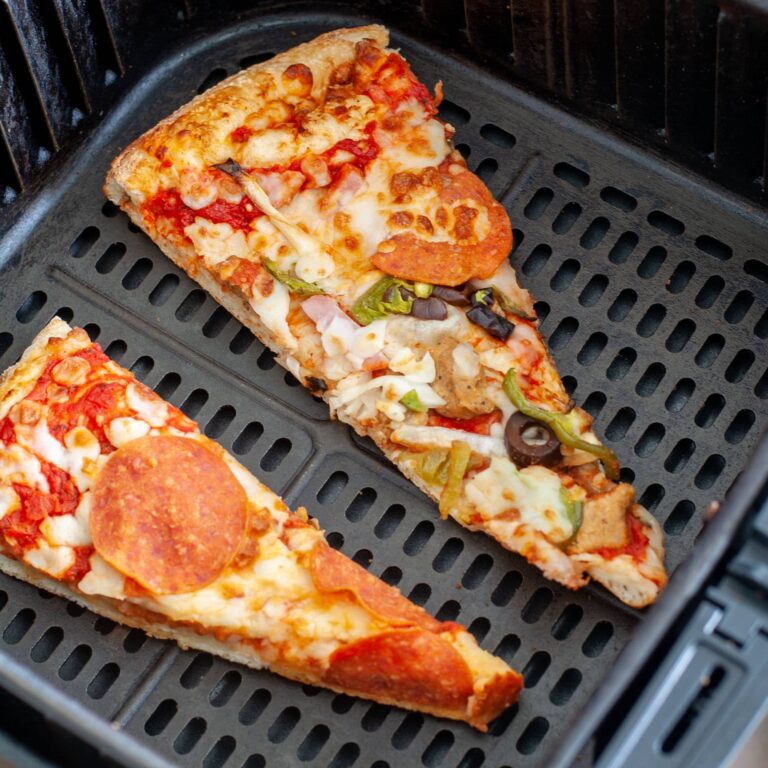
| Reheating pizza | Basket or rack | Restores surface crispness |
| Foods with drips | Shallow metal pan | Contains fat and sauce |
| Skewered food | Short wooden or metal skewers | Keeps pieces together |
Measure the cooking chamber before buying an accessory. Check the pan’s outside dimensions, including handles. A pan may fit when cold but become difficult to remove when hot.
Do not assume that an accessory sold online fits every air fryer. Confirm the model, basket shape, cooking surface, and maximum temperature rating.

Common air fryer mistakes and fixes
The food is not crispy
The usual causes are too much food, excess moisture, or too little airflow. Dry the food, use a single layer, and cook in batches.
The top burns while the center stays raw
The temperature may be too high, the food may be too thick, or the pan may be too deep. Lower the temperature and extend the cooking time. Cover the top only if the cover is secure and heat-safe.
Smoke comes from the air fryer
Fatty foods can drip onto a hot surface and smoke. Stop the appliance if smoke is heavy, unplug it if safe, and let it cool. Clean built-up grease before using it again.
Do not pour water into a hot appliance to stop smoke. If a fire starts, keep the drawer closed, unplug the unit if you can do so safely, and call 911 if the fire does not stop immediately. Never use water on a grease fire.
Parchment or foil moves around
The material is probably too light or too large. Remove it and use a smaller piece secured by food. Never run an empty air fryer with loose parchment or foil inside.
Food cooks unevenly
Pieces may be different sizes, the basket may be crowded, or the appliance may have a hot spot. Cut food evenly, leave space between pieces, and shake or turn the food during cooking.
Food sticks to the basket
Use a light coating of oil if appropriate. Let breaded food cook long enough to firm before turning it. A compatible parchment liner or silicone accessory may help, but it can reduce browning.
Key takeaways
- Use metal, oven-safe glass, ceramic, or heat-rated silicone when a pan or mold is needed.
- Use air-fryer parchment only when it is secured and below the heating element.
- Use aluminum foil only when the appliance manual allows it.
- Never use plastic, wax paper, paper towels, cardboard, or loose paper.
- Keep food in a loose, even layer for better airflow.
- Use a thermometer for meat, poultry, and seafood.
- The safest accessory is one that fits your model and does not block ventilation.
FAQs about what to use in an air fryer
Can I put a glass bowl in an air fryer?
You can use a glass bowl only if it is clearly marked or documented as oven-safe and fits without touching the heating element. Avoid sudden temperature changes, cracks, and very cold glass in a preheated appliance.
Can I use aluminum foil in an air fryer?
Often, yes, but only if your model’s manual allows it. Secure the foil with food, keep it away from the heating element, and do not cover the full basket or block vents.
Can I use parchment paper in an air fryer?
Yes, use parchment designed for oven or air-fryer temperatures. Put it under food so it cannot lift, and choose perforated parchment when airflow is important.
Can I put a paper plate in an air fryer?
No. A paper plate is not made for the high heat and airflow inside an air fryer. It may scorch, move, or reach the heating element.
Can I put a bowl in an air fryer?
A bowl may work if it is oven-safe, heat-rated, stable, and small enough to leave room for airflow. Metal, oven-safe glass, ceramic, and rated silicone are the usual options.
Can I put raw meat directly in an air fryer?
Yes. Place raw meat in the basket or a suitable pan, prevent cross-contamination, and cook it to a safe internal temperature. Wash hands and utensils after handling raw meat.
Can I use an air fryer without the basket?
Only if the manufacturer’s instructions say the appliance may operate that way. In many models, the basket or crisper plate separates food from the heating area and allows proper airflow.
Conclusion
The best things to use in an air fryer are foods and cookware that can handle high heat while allowing air to circulate. Use the basket for foods that need crisping, a small oven-safe pan for liquids and batters, silicone for delicate molded foods, and secured parchment or foil only when the manual permits it.
Start with the appliance instructions, keep the basket from becoming crowded, and check high-risk foods with a thermometer. When in doubt, choose a smaller amount of food and a clearly labeled oven-safe container rather than an improvised material.