Why Are My Air Fryer Chips Soggy: Crispy Fixes That Work
Air fryer chips turn soggy when moisture cannot escape fast enough. In a U.S. kitchen, the most common causes are wet potatoes, an overcrowded basket, too little heat, or cooking from frozen without adjusting the time. The air fryer needs hot air to move around each piece and remove surface water. If steam gets trapped, the chips soften instead of becoming crisp.
The good news is that soggy air fryer chips are usually easy to fix. Dry the potatoes well, leave space between pieces, use a suitable temperature, and cook in small batches. This guide explains why the problem happens and how to prevent it with fresh potato fries, frozen fries, and thin potato slices.

The Short Answer: Why Your Air Fryer Chips Are Soggy
Your air fryer chips are likely soggy because one or more of these problems is present:
- The potatoes were not dried well.
- The basket was too full.
- The pieces were cut to different sizes.
- The air fryer was not preheated when preheating was needed.
- You used too much oil.
- You used too little oil on fresh potatoes.
- You opened the basket too often.
- The chips were not cooked long enough.
- Frozen chips were thawed before cooking.
- The air fryer’s basket or fan could not circulate enough air.
Crisping happens when the outside of the potato loses water and the surface browns. If the potato stays surrounded by steam, it can cook through without becoming crisp.
How Crisping Works in an Air Fryer
An air fryer uses a heating element and a fan to move hot air around food. This hot air warms the potato, dries its surface, and helps create a browned outer layer. The process is similar to oven roasting, but the small cooking chamber can move air more directly around the food.
Potatoes contain a lot of water. As they heat, that water turns into steam. Some steam must escape before the outside can become dry and crisp. When pieces touch each other, the moisture from one piece can soften the surface of another.
The outside also needs enough heat for browning. This browning is called the Maillard reaction. It creates the roasted flavor and color people expect from crisp fries. If the basket is crowded or the temperature is too low, the potatoes may steam rather than brown.
Fresh potato fries versus thin potato slices
“Chips” can mean different foods:
- Fresh potato fries: Thick batons, such as shoestring, regular, or steak fries.
- Frozen fries: Commercially cut potatoes that may already contain oil and a coating.
- Potato chips: Very thin slices of raw potato.
These foods do not cook in the same way. Thick fries need time for the center to soften. Thin slices can brown quickly but may burn before they dry. Use the method that matches the food, not just the word “chips.”

The Most Common Causes of Soggy Air Fryer Chips
1. The potatoes are too wet
Water on the surface becomes steam. Steam makes the potato soft and prevents the dry surface needed for crisping.
Fresh-cut potatoes release moisture after they are cut. Rinsing or soaking can remove some surface starch, but the potatoes must then be dried very well. A damp potato can still become soggy even if it was soaked.
Fix: Drain the potatoes, spread them on a clean towel, and pat them dry. Let them sit for a few minutes if they still feel damp. Drying is one of the most useful steps in the whole process.
2. The basket is overcrowded
Air fryers need open space for hot air to move. A full basket traps steam between the pieces. The chips may cook, but they will not brown evenly.
This problem is especially common with fresh fries and thick frozen fries. A single layer is best when you want maximum crispness. A loose second layer may work in some baskets, but you will need to shake or turn the food more often.
Fix: Cook in batches. It may take longer, but the result is usually much better than filling the basket once.
3. The pieces are different sizes
Thin pieces cook faster than thick pieces. Small pieces may brown while large pieces are still soft inside. If you continue cooking until the thick pieces are ready, the thin ones may burn.
Fix: Cut the potatoes into pieces of similar thickness. For fresh fries, aim for a consistent shape rather than a precise size. Consistency helps the whole batch finish at about the same time.
4. The temperature is too low
A low temperature may soften the potato without drying the outside enough. This is more likely when the basket is full or the potatoes contain extra water.
Many air fryer recipes use temperatures between 375°F and 400°F, but the correct setting depends on the food, cut, basket design, and cooking instructions. A small air fryer can cook differently from a large oven-style model.
Fix: Follow the temperature guidance for your specific air fryer and the food package when cooking frozen fries. If no guidance is available, a moderate-to-high setting is often more effective than a low setting, provided you check for burning.
5. You used too much oil
Oil can help transfer heat and improve browning. Too much oil, however, can make the surface greasy and heavy. Excess oil may also collect under the chips instead of helping them crisp.
Fix: Toss fresh potato fries with a light, even coating. You should not see pools of oil in the bowl or basket. Frozen fries often already contain oil, so adding more may make them greasy.
6. You used no oil on fresh potatoes
Fresh potatoes can crisp without much oil, but a small amount often improves browning and texture. Without it, the surface may dry unevenly and stay pale.
Fix: Use a small amount of neutral cooking oil, such as canola, avocado, or vegetable oil, if it suits your recipe and diet. Spread it evenly rather than pouring it over one spot.
7. You did not shake or turn the chips
The lower pieces may sit against the basket while the upper pieces receive more moving air. This can lead to uneven browning and soft patches.
Fix: Shake the basket or turn the chips partway through cooking. Do this gently so you do not break thin slices or scatter hot oil.
8. The chips need more time
Air fryer cooking times are estimates. Potato variety, cut size, starting temperature, basket load, and appliance power all affect the result.
Fix: Check the texture near the end of the suggested cooking time. If the inside is cooked but the outside is soft, continue in short intervals. This reduces the chance of burning the thinner pieces.
9. Frozen chips were thawed first
Frozen fries are designed to cook from frozen in many cases. Thawing adds water to the surface and can make the fries limp.
Fix: Cook frozen fries directly from the freezer unless the package gives different instructions. Remove loose ice if needed, but do not rinse or thaw them.
10. The basket or air path is blocked
A dirty basket can hold oil and residue. A blocked air intake or exhaust can also reduce airflow. Never cover the air vents with foil or place the appliance against a wall where heat cannot escape.
Fix: Clean the basket and inspect the air vents according to the owner’s manual. Keep the air fryer on a stable, heat-safe surface with the clearance required by the manufacturer.
How to Make Fresh Potato Chips Crisp
This method works for fresh potato fries. Adjust the time for your cut and appliance.
What you need
- Russet potatoes or another suitable baking potato
- A small amount of cooking oil
- Salt and other seasoning
- A sharp knife or fry cutter
- A clean kitchen towel
- An air fryer
Russet potatoes are often a practical choice because they are relatively high in starch and can produce a fluffy center with a crisp outside. Other potatoes can work, but their water and starch levels differ.
Step-by-step method
-
Cut the potatoes evenly.
Make pieces with similar thickness so they cook at the same rate. -
Rinse or soak if desired.
A brief soak in cold water can remove some surface starch. This is optional, not a substitute for drying. -
Drain thoroughly.
Use a colander and shake off excess water. -
Dry the potatoes completely.
Pat them with a clean towel. Damp pieces are a major cause of sogginess. -
Add a light oil coating.
Toss the potatoes until the oil is spread evenly. Avoid soaking them. -
Preheat when your model or recipe calls for it.
Preheating can reduce the time the potatoes spend warming in a cool basket. It is not equally necessary for every model, so follow the manual. -
Arrange the potatoes with space between them.
Use a single layer when possible. Cook in batches if the pieces are packed tightly. -
Cook at the recipe’s recommended temperature.
Many recipes use a moderate-to-high setting. Begin checking before the expected finish time. -
Shake or turn the potatoes during cooking.
This helps expose more surfaces to moving air. -
Salt after cooking or near the end.
Salt can draw water toward the surface of cut potatoes. Adding it after cooking often helps preserve crispness. -
Serve at once.
Fresh fries soften as they sit because steam moves from the hot center toward the crust.
Signs that fresh fries are ready
Look for:
- A dry, browned outer surface
- A firm crust that does not look wet
- A tender center
- No visible water or oil pooling in the basket
Do not judge only by color. Some potatoes brown quickly while remaining firm inside. Test one thick piece before serving.

How to Fix Frozen Air Fryer Chips
Frozen fries are often easier to cook because manufacturers usually cut and partially process them for consistent results. They can still become soggy if the basket is overloaded or the fries are thawed.
Use these steps:
- Cook the fries directly from frozen unless the package says otherwise.
- Do not add oil unless the package or recipe calls for it.
- Spread the fries in a loose layer.
- Use the package temperature and time as your starting point.
- Shake the basket during cooking.
- Add a few minutes if the fries are pale or soft.
- Serve them right away.
Frozen fries vary widely. Shoestring fries, crinkle-cut fries, waffle fries, and thick steak fries need different cooking times because their surface area and thickness are not the same.
If the fries are crisp on the outside but cold inside, the basket may be too full or the temperature may be too high for the cut. If they are soft and pale, they may need more time, more airflow, or a higher setting within the appliance’s safe operating range.
How to Make Thin Potato Slices Crisp
Thin potato slices need a different approach from fries. Their small size means they can burn quickly.
Slice the potatoes as evenly as possible. Rinse them if your recipe calls for it, then dry them fully. Toss them with a very light oil coating and arrange them in a single layer. Cook at a moderate temperature and check often.
Thin slices may curl or move in the fan’s airflow. If your air fryer manual allows it, a rack or accessory designed for that model may help, but do not use an accessory that blocks airflow or touches the heating element.
Remove slices as they finish. A mixed batch can contain pieces with different moisture levels, so some may need to come out earlier than others.

A Quick Troubleshooting Table
Use this table to match the symptom to the likely cause.
| Symptom | Likely cause | Best first fix |
|---|---|---|
| Pale and soft | Low heat, excess moisture, or short cooking time | Dry the potatoes and cook longer in a loose layer |
| Crisp outside but soft inside | Pieces are too thick or heat is too high | Cut thinner or lower the heat slightly and cook longer |
| Greasy and limp | Too much oil or frozen fries already contain oil | Use less oil or none |
| Some crisp, some soggy | Uneven cuts or poor circulation | Cut evenly and shake the basket |
| Soggy only after sitting | Trapped steam after cooking | Serve at once and avoid covering tightly |
| Frozen fries are wet | They were thawed or the basket was crowded | Cook from frozen in smaller batches |
| Bottoms are soft | Food is touching the basket or each other | Turn the chips and leave more space |
The table gives starting points, not guaranteed settings. Air fryer size and design can change the result.
Should You Soak Potatoes Before Air Frying?
Soaking can help remove some surface starch, but it is not required for crisp air fryer fries. The main benefit comes from drying the potatoes afterward.
If you soak the potatoes and then place them in the air fryer while damp, the extra water may make the problem worse. For this reason, a dry-and-cook method can work just as well for many home cooks.
Soaking also adds time and uses more water. Try a batch without soaking first. If the surface remains gummy or the fries stick together, test a brief soak and compare the results.
Should You Add Baking Soda or Cornstarch?
Some recipes use a small amount of baking soda in the soaking water or cornstarch on the potatoes. These methods may change the surface texture, but they are not essential.
Too much cornstarch can leave a powdery coating. Too much baking soda can create an unpleasant taste or affect the potato’s texture. Use such ingredients only in a tested recipe with clear amounts.
The basic method remains more important: even cuts, dry surfaces, open airflow, suitable heat, and enough cooking time.

Common Mistakes That Keep Chips Soggy
Avoid these habits:
- Filling the basket to the top
- Pouring wet potatoes straight into the basket
- Adding oil without checking whether frozen fries already contain it
- Using a sealed container while the fries are still hot
- Covering the basket with foil
- Cooking different cuts together
- Opening the drawer every minute
- Adding salt too early when the potatoes are wet
- Leaving cooked fries in the warm basket
- Ignoring the air fryer’s manual
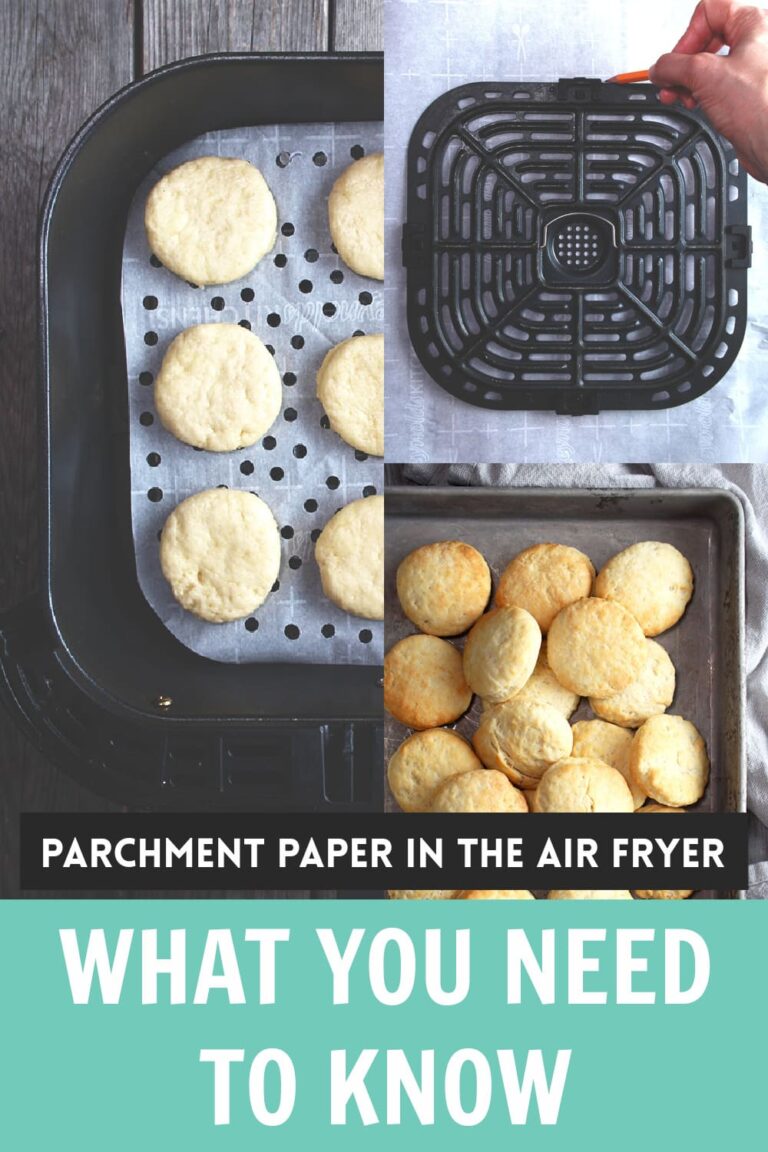
Do not place water, loose parchment, or other items in the air fryer unless the manufacturer permits them. Lightweight paper can move toward the heating element. Use only accessories made for your appliance and follow the safety instructions.
How to Keep Air Fryer Chips Crisp After Cooking
Air fryer chips are crispest immediately after cooking. Steam continues to move from the center outward, so the crust can soften as the food rests.
For the best texture:
- Serve the chips as soon as they are ready.
- Place them on a wire rack if they must wait briefly.
- Avoid stacking them in a deep bowl.
- Do not cover them tightly while hot.
- Reheat leftovers in the air fryer rather than the microwave.
A microwave heats moisture quickly and often makes fries softer. Reheating in a single layer can restore some surface crispness, although it may not reproduce the texture of a fresh batch.

When Soggy Chips May Signal an Appliance Problem
Most soggy chips result from food preparation or basket loading. Consider the appliance only after you have tested a dry, small batch.
Possible warning signs include:
- The air fryer does not feel hot after preheating.
- The fan does not run.
- Cooking takes much longer than the manual suggests.
- Food stays pale across several small batches.
- The heating element cycles abnormally or produces a burning smell.
- The basket or drawer does not fit correctly.
Stop using the appliance if you see smoke, damaged wiring, unusual sparking, or signs of overheating. Unplug it when safe to do so and contact the manufacturer or a qualified repair service. Do not disassemble the appliance unless the manufacturer specifically authorizes that repair.
Frequently Asked Questions
Why are my air fryer chips soggy but cooked?
They likely contain too much surface moisture or were cooked in a crowded basket. Cook a smaller batch, dry the potatoes well, and continue cooking until the outside is dry and browned.
Why do my air fryer chips go soggy after cooking?
Hot chips release steam. If they are stacked or covered, that steam condenses on the crust. Serve them at once or place them on a wire rack for a short wait.
Do I need to boil potatoes before air frying?
No. Parboiling can soften thick fries and may help some recipes, but it is optional. If you boil the potatoes, cool and dry them well before adding oil and placing them in the air fryer.
Is 400°F too hot for air fryer chips?
Not always. Many recipes use a temperature near 400°F, but the right setting depends on the cut, appliance, and food type. Thin slices can burn at that temperature, while thick frozen fries may need strong heat. Follow the package or appliance guidance and watch the first batch closely.
Can I make soggy chips crispy again?
Yes, in many cases. Spread them in a single layer and reheat them in the air fryer for a few minutes. Use short intervals and check often so the edges do not burn.

Final Takeaway
Soggy air fryer chips usually need more airflow and less moisture. Dry fresh potatoes, avoid overcrowding, use only the oil you need, cook frozen fries from frozen, and shake the basket during cooking. When the chips are done, serve them right away instead of trapping steam in a bowl.
Start with one small test batch. Change only one factor at a time, such as drying, basket size, or cooking time. That approach helps you find the right method for your air fryer without burning an entire batch.