Why Is Fried Food Bad For You: Health Risks Explained
Fried food can be bad for you because it often packs many calories, unhealthy fats, salt, and refined carbohydrates into a small serving. In the United States, common examples include french fries, fried chicken, onion rings, doughnuts, and fast-food fish sandwiches.
Eating fried food once in a while is not likely to harm a healthy person. The bigger concern is eating it often, eating large portions, or choosing fried foods in place of vegetables, beans, fruit, whole grains, and other foods rich in nutrients.

Why is fried food unhealthy?
Fried food is less healthy mainly because hot oil changes the food’s calorie content and, in some cases, its fat profile. The food absorbs some oil as it cooks. A crispy coating can also add refined flour, starch, and salt.
The result is often a food that is:
- High in calories
- High in total fat
- High in saturated fat
- High in sodium
- Low in fiber
- Easy to overeat
The exact amount varies by food, oil, cooking time, temperature, coating, and portion size. A small serving of home-cooked vegetables lightly sautéed in oil is not the same as a large order of fast-food fries.
Frying adds calories
Fat contains about 9 calories per gram. Carbohydrates and protein contain about 4 calories per gram. When food absorbs oil, its calorie content can rise without making the serving much larger.
This matters because liquid calories and added cooking fat are easy to overlook. A person may focus on the chicken or potato while missing much of the energy added by the breading and oil.
Frying may add unhealthy fats
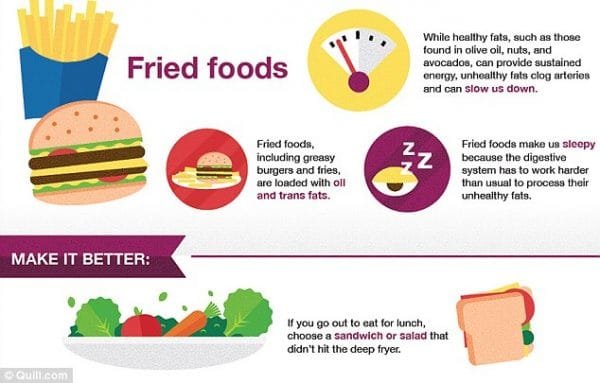
Some fried foods contain a large amount of saturated fat. Diets high in saturated fat can raise low-density lipoprotein (LDL) cholesterol in many people. High LDL cholesterol is linked with a higher risk of heart disease.
Partially hydrogenated oils were once a major source of artificial trans fat in some U.S. foods. The U.S. Food and Drug Administration determined that partially hydrogenated oils were no longer generally recognized as safe for their main use in food. Even so, checking the Nutrition Facts label remains useful, especially for packaged foods.
The American Heart Association recommends replacing saturated and trans fats with unsaturated fats when possible. This does not mean that all oil is harmful. Unsaturated oils, such as olive, canola, and soybean oil, generally fit better into a heart-healthy eating pattern than solid fats.
Fried food is often high in sodium
Restaurants and packaged foods may contain a large amount of sodium. Salt may be added to the food, the coating, the oil blend, or a dipping sauce.
Too much sodium can raise blood pressure, especially in people who are salt-sensitive. The Dietary Guidelines for Americans advise adults to limit sodium to less than 2,300 milligrams per day. People with high blood pressure or certain health conditions may need a lower limit from a clinician.
Fried food can be low in fiber
Many fried foods are made from potatoes, refined flour, or animal foods. They may provide little fiber unless the meal also includes vegetables, beans, fruit, or whole grains.
Fiber helps support bowel health and can improve fullness after meals. A meal with fried chicken, fries, and a sugary drink may be high in energy but low in fiber and key nutrients.

What health problems can fried food cause?
Frequent fried-food intake is associated with a higher risk of several health problems. The strongest concern is not one meal. It is the overall eating pattern, portion size, cooking method, and frequency over time.
Weight gain and obesity
Fried food can make weight control harder because it is energy-dense. Energy density means that a food provides many calories in a small amount.
Research published in the BMJ found an association between frequent fried-food intake and a higher risk of death and major cardiovascular events. The study was observational, so it could not prove that fried food alone caused those outcomes. People who eat more fried food may also differ in activity, smoking, income, sleep, and other parts of their diet.
Still, the finding supports a practical point: frequent fried foods can make a calorie-heavy diet easier to follow without feeling full.
Heart disease
Fried food may affect heart health through several pathways:
- Extra calories can contribute to weight gain.
- Saturated fat can raise LDL cholesterol.
- High sodium intake can raise blood pressure.
- Poor-quality diets may displace foods that support heart health.
- Repeatedly heated oil may contain unwanted breakdown products.
The risk depends on the full diet and the person’s health history. A single fried meal does not determine heart health. A pattern of frequent fried meals, low activity, smoking, and untreated high blood pressure is more concerning.
Type 2 diabetes
Frequent fried-food intake has also been linked with a higher risk of type 2 diabetes in observational research. Possible reasons include excess calories, weight gain, refined carbohydrates, and changes in appetite and blood sugar control.
The cooking method may matter, but the whole meal matters too. Fried chicken with a large serving of fries and a sweet drink has a different effect from a small portion of pan-seared chicken with vegetables and beans.
People with diabetes do not always need to avoid every fried food. They may need to manage portion size, carbohydrate intake, fat quality, and blood glucose response with help from a qualified health professional.
Digestive discomfort
Greasy meals can cause short-term symptoms in some people, including:
- Heartburn
- Bloating
- Nausea
- Stomach pain
- Loose stools
High-fat meals may slow stomach emptying. They can also trigger symptoms in people with gastroesophageal reflux disease, gallbladder disease, or other digestive conditions.
If pain is severe, persistent, or linked with vomiting, fever, yellow skin, black stools, or unexplained weight loss, seek medical care rather than assuming fried food is the only cause.
Possible cancer concerns
Frying can create chemical compounds that deserve attention, but the message needs care.
Starchy foods cooked at high temperatures can form acrylamide. The FDA explains that acrylamide forms during some high-temperature cooking methods, including frying, baking, and roasting. Animal studies show harm at high exposure levels, but the relationship between dietary acrylamide and cancer in humans remains uncertain.
This does not mean that eating one order of fries causes cancer. It means that varied cooking methods and a diet built around minimally processed foods are sensible choices.
Does fried food cause inflammation?
Fried food may contribute to an eating pattern linked with inflammation, but the claim needs context. “Inflammation” is not one single condition, and a food cannot be labeled inflammatory for every person.
A diet high in fried foods, refined grains, added sugar, processed meat, and excess calories may be associated with higher markers of chronic inflammation. Such a diet may also be low in fiber, omega-3 fats, fruits, vegetables, and plant compounds.
Some studies have examined oxidized fats and compounds formed when oil is heated repeatedly. These substances may have biological effects, but the amount and risk depend on the oil, temperature, cooking time, and food. Evidence from laboratory research does not always translate directly to a clear risk from normal home cooking.
A more useful approach is to look at the complete pattern:
- Eat more vegetables, fruit, beans, and whole grains.
- Choose fish, poultry, nuts, and seeds more often.
- Use liquid unsaturated oils in moderate amounts.
- Limit foods that are deep-fried, heavily breaded, or served in very large portions.
- Drink water or an unsweetened beverage more often than sugary drinks.
Is air-fried food healthier than deep-fried food?
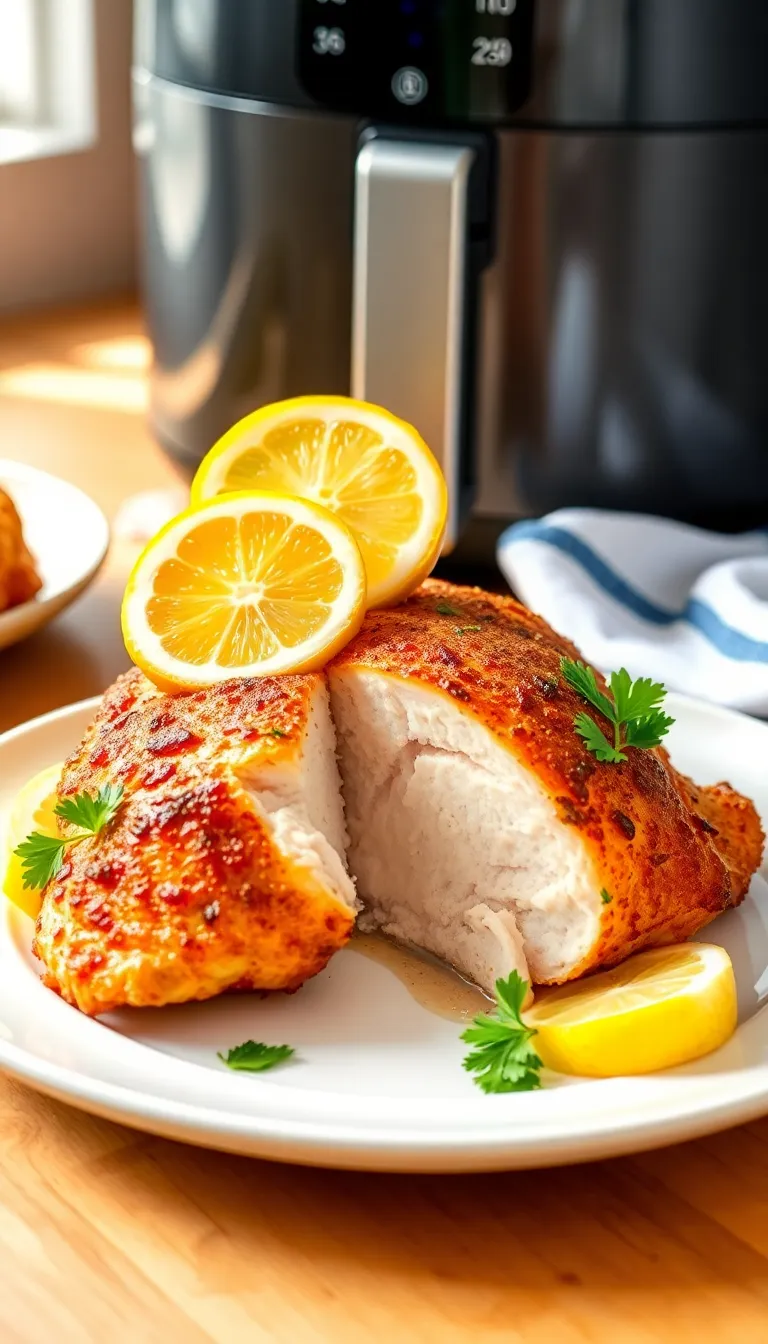
Air-fried food is often healthier than deep-fried food because it usually uses less added oil. It can reduce calories and fat while still producing a crisp surface.
Air frying does not automatically make a food healthy. Air-fried bacon, breaded chicken, frozen snacks, and fries can still contain high levels of sodium, refined starch, or saturated fat. The food itself remains important.
Air frying compared with deep frying
| Cooking method | Typical oil use | Main benefit | Main limitation |
|---|---|---|---|
| Deep frying | Food is surrounded by hot oil | Crisp texture and fast cooking | More oil absorption and calories |
| Pan frying | Small to moderate amount of oil | Uses less oil than deep frying | Food may still absorb oil |
| Air frying | Little or no added oil | Often lowers added fat | Does not remove sodium or refined starch |
| Baking or roasting | Low to moderate oil | Works well for vegetables and proteins | May not match deep-fried texture |
| Steaming | No added oil needed | Preserves a soft texture and many nutrients | Does not create a crisp coating |
Use an air fryer as a cooking tool, not as a health label. A useful swap is air-fried potatoes with a small amount of oil, herbs, and a side of vegetables instead of deep-fried fries with a salty sauce.

How often can you eat fried food?
There is no single safe number of fried meals for everyone. Your health needs, total diet, portion size, cooking method, and activity level all matter.
For many people, fried food works best as an occasional choice rather than a daily staple. The American Heart Association’s healthy eating guidance emphasizes vegetables, fruit, whole grains, healthy protein sources, and unsaturated fats.
A simple way to judge your pattern is to ask:
- Do I eat fried food most days?
- Is the portion larger than I need?
- Does it replace vegetables, beans, whole grains, or fruit?
- Do I usually add a sugary drink or high-calorie sauce?
- Do I have high blood pressure, high LDL cholesterol, diabetes, or heart disease?
If the answer to several questions is yes, reducing fried food may be useful. You do not need to remove every favorite food at once. Start with one change, such as replacing a large fries order with a smaller portion and fruit.

How to make fried food less harmful
You can lower the health cost of fried food by changing the food, the oil, the portion, and the cooking method.
At home
Try these steps:
- Use a thermometer to keep oil at the recipe’s recommended temperature.
- Avoid letting oil smoke.
- Do not reuse oil many times.
- Drain fried food on a rack or paper towel.
- Use a thin coating instead of a thick batter.
- Choose vegetables, fish, or lean poultry more often than processed meat.
- Serve a small portion with vegetables, beans, or a whole-grain side.
- Avoid adding extra salt before tasting the food.
- Keep oil away from heat when not in use and store it safely.
Do not pour used cooking oil down the drain. It can harden and block plumbing. Let it cool, place it in a sealed container, and follow your local waste guidance.
When eating at a restaurant
Restaurant portions can be much larger than home portions. You can:
- Order a small size.
- Share one fried item.
- Choose grilled, baked, roasted, or steamed food.
- Ask for sauces on the side.
- Add a vegetable or bean-based side.
- Drink water or an unsweetened beverage.
- Skip extra fried toppings.
These changes reduce exposure without turning the meal into a test of willpower.
A practical swap table
| Instead of | Try |
|---|---|
| Large deep-fried fries | Small fries plus a vegetable |
| Fried chicken every week | Baked or grilled chicken some weeks |
| Fried fish sandwich | Baked fish with a whole-grain side |
| Doughnut for breakfast | Oatmeal with fruit and nuts |
| Fried vegetables | Roasted or air-fried vegetables |
| Sugary drink with fried food | Water, plain sparkling water, or unsweetened tea |

Common myths about fried food
“All fried food is equally bad.”
No. A lightly pan-cooked food and a deep-fried, heavily breaded food can differ greatly in oil absorption, calories, sodium, and fat. The serving size and the rest of the meal also change the result.
“Vegetables are healthy, so fried vegetables are healthy.”
Vegetables still provide nutrients after frying, but breading and oil add calories and may add salt. Fried vegetables can fit into a balanced diet, but they are not nutritionally equal to steamed, roasted, or lightly sautéed vegetables.
“Olive oil makes deep frying healthy.”
Olive oil contains mostly unsaturated fat, which is generally a better fat choice than trans fat or large amounts of saturated fat. However, deep frying in olive oil still adds calories. The type of oil does not erase the effects of portion size or repeated frying.
“Air-fried food is always healthy.”
Air frying may lower added oil, but it does not remove sodium, refined flour, sugar, or calories from the food. Air-fried whole foods are often a better choice than deep-fried processed foods, but the label still matters.
“You must never eat fried food.”
Most people do not need an all-or-nothing rule. A balanced diet can include favorite foods. The goal is to make fried food less frequent, keep portions reasonable, and choose more nutrient-dense foods most of the time.

Frequently asked questions
Is fried food bad for your liver?
Frequent intake of high-calorie fried food may contribute to weight gain and metabolic problems, which can increase the risk of fatty liver disease. Fried food is not the only cause. Alcohol, diabetes, certain medicines, genetics, and overall diet can also matter. Ask a clinician about liver testing if you have symptoms or risk factors.
Is fried food bad for cholesterol?
It can be, especially when it is high in saturated fat or replaces foods rich in unsaturated fats and fiber. Your response depends on the food and your health. A lipid panel can show whether your LDL, HDL, and triglyceride levels need attention.
Is fried food bad for your skin?
A diet high in refined carbohydrates and excess calories may worsen acne in some people, but fried food is not proven to cause acne in everyone. Hormones, genetics, skin care, stress, and other foods may play roles.
Is fried food worse than sugary food?
Neither category is always worse. A large fried meal may be high in calories, fat, and salt. A sugary drink may provide a large amount of sugar with little fullness. The better choice depends on the item, amount, and how often you consume it.
What is the healthiest way to fry food?
Use a small amount of a liquid unsaturated oil, avoid smoking the oil, use a moderate portion, and serve the food with vegetables or another high-fiber side. Baking, roasting, steaming, and air frying often require less oil.

The bottom line
Fried food is not automatically dangerous, but frequent and large servings can make a diet higher in calories, saturated fat, sodium, and refined starch. Over time, that pattern may raise the risk of weight gain, high blood pressure, abnormal cholesterol, diabetes, and heart disease.
You do not need to avoid every fried food. A strong next step is to reduce how often you eat it, choose smaller portions, use air frying or baking more often, and pair meals with vegetables, beans, fruit, or whole grains. If you have diabetes, heart disease, high cholesterol, high blood pressure, or digestive symptoms, ask a registered dietitian or health care professional for advice suited to you.