
Why Is Deep Frying Bad: Health Risks Explained
Deep frying is not automatically harmful, but eating deep-fried food often can raise health risks. In the United States, common foods such as french fries, fried chicken, onion rings, and doughnuts often contain many calories, saturated fat, sodium, and refined starch. High heat can also create unwanted compounds, especially when oil is overheated or reused.
An occasional serving can fit into an otherwise balanced diet. The main concern is a pattern of frequent intake, large portions, and poor-quality oil.
What makes deep-fried food unhealthy?
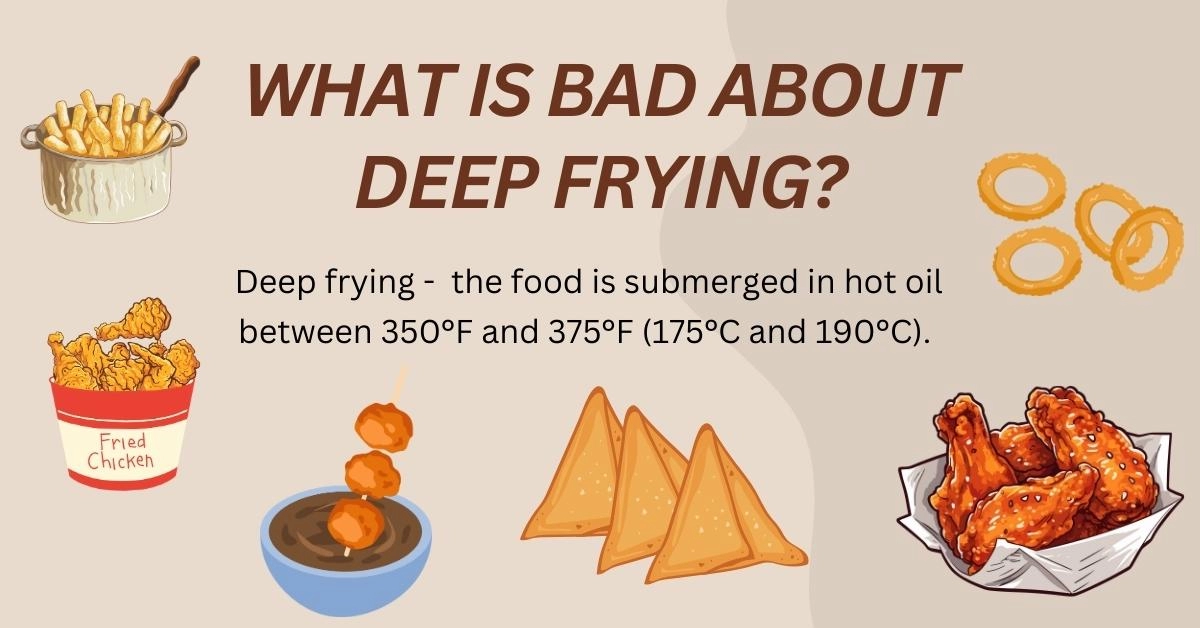
Deep frying places food in hot oil, often between 350°F and 375°F. The oil adds fat while the food cooks. A crisp crust forms as water leaves the surface.
This process can change both the energy content and the chemical makeup of food. The main concerns are:
- More calories from absorbed oil
- More saturated fat, depending on the oil and food
- High sodium in many prepared fried foods
- Refined starch and added sugar in some fried foods
- Compounds formed during high-heat cooking
- Greater risk from degraded or repeatedly heated oil
Deep frying also makes it easy to eat more than planned. A small potato may become a large serving of fries after it is cut, fried, salted, and paired with a high-calorie meal.
Fried food is not the same as all high-fat food
Fat itself is not the enemy. The type of fat, the amount, and the whole eating pattern matter.
The American Heart Association recommends replacing saturated and trans fats with unsaturated fats when possible. Many liquid plant oils contain more unsaturated fat than solid fats such as shortening or some forms of lard.
Still, even an unsaturated oil adds about 120 calories per tablespoon. Food can absorb a meaningful amount during frying, especially when it has a rough surface, a wet batter, or a long cooking time.
1. Deep frying can greatly increase calories
Deep-fried food is often more calorie-dense than the same food cooked with little or no added fat.
A food’s final calorie count depends on:
- The food’s starting size and moisture
- The batter or breading
- Oil temperature
- Frying time
- Surface area
- How well the food drains after cooking
A hot, stable oil can create a crust quickly. That crust may limit oil entry. If the oil is too cool, the food may absorb more oil before the outside becomes crisp.
A simple example
Consider a potato. A baked potato may contain little added fat. A serving of fries contains the potato plus oil and often salt or sauce.
This does not mean every fry absorbs the same amount of oil. It means the cooking method can add energy without adding much volume. That makes it easier to consume more calories than expected.
Frequent calorie surplus can contribute to weight gain. Excess body weight can raise the risk of type 2 diabetes, high blood pressure, fatty liver disease, and heart disease.
2. Deep-fried foods may contain unhealthy fats
The health effect depends partly on the oil used.
Some commercial fried foods may be prepared with oils that contain more saturated fat. Others may use oils that are high in unsaturated fat. The label, restaurant, and cooking method all matter.
Industrial trans fats have been removed from much of the U.S. food supply, but small amounts may still occur naturally or appear on some labels. Partially hydrogenated oils are the main industrial source of trans fat and are no longer permitted as an ingredient in most U.S. foods.
Why saturated fat matters
The Dietary Guidelines for Americans advise limiting saturated fat to less than 10% of daily calories for people age 2 and older. For someone eating 2,000 calories, that equals less than 22 grams per day.
This is a daily limit, not a measure of one specific meal. A large fried meal can use much of that allowance, especially when it includes fatty meat, cheese, creamy sauce, or a dessert.
Oil quality changes with heat
Oil breaks down over time when exposed to:
- High heat
- Air
- Water from food
- Food particles
- Repeated heating
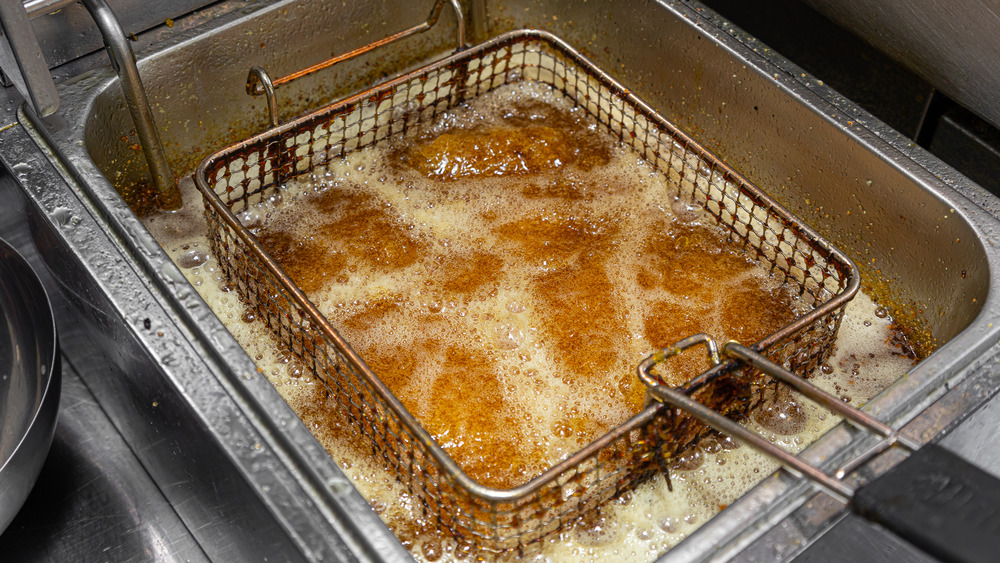
This process can create oxidized fats and other breakdown products. The risk rises when oil smokes, darkens, foams, smells rancid, or is used again and again.

3. High heat can create unwanted chemicals
High-temperature cooking can create compounds that are not present, or are present at lower levels, in raw food.
One example is acrylamide. It can form when certain plant foods cook at high temperatures. Potatoes and grains are common sources because they contain sugars and an amino acid called asparagine.
The U.S. Food and Drug Administration explains that acrylamide forms during browning and is found in foods such as french fries, potato chips, bread, and coffee.
The strongest evidence about cancer risk comes from animal and laboratory research. Human evidence from ordinary food exposure is less certain. That does not prove that one serving is dangerous. It supports a practical step: avoid burning food and limit frequent intake of heavily browned fried foods.
Darker is not always better
A deep brown crust may look crisp, but darker browning can mean more acrylamide in some foods. Aim for golden yellow rather than dark brown when cooking potatoes.
Do not eat food that is blackened or burned. Remove badly charred pieces instead of trying to hide the taste with sauce.
4. Reused oil can degrade
Reusing frying oil is common in restaurants and home kitchens, but the safety and quality of the oil decline with use.
There is no single number of uses that applies to every oil. The result depends on the oil type, heat, food, frying time, filtering, and storage.
Stop using oil when it:
- Smokes at a normal frying temperature
- Becomes very dark
- Develops a sharp or rancid odor
- Foams heavily
- Becomes thick or sticky
- Leaves an unusual taste
- Contains many burnt crumbs
Do not mix fresh oil with oil that already shows these signs. The fresh oil will not restore the old oil.
Let used oil cool. Then place it in a sealed container and check local waste rules. Do not pour it down a sink or toilet. Grease can harden in pipes and cause blockages.
5. Frequent fried-food intake is linked with health problems
Research on fried food often finds an association with higher health risk. But much of this evidence is observational. It can show a pattern, not prove that frying alone caused the outcome.
A large systematic review and meta-analysis published in Heart in 2021 found that higher fried-food intake was associated with greater risk of major cardiovascular events, coronary heart disease, stroke, and heart failure. The authors also reported important limits, including differences in how studies measured fried food and the possibility of other lifestyle factors affecting the results.
In plain terms, people who eat more fried food may also differ in other ways. They may consume more salt, refined carbohydrates, sugary drinks, and processed meat. They may exercise less or have other risk factors.
The finding still has practical value. Frequent fried food often signals an overall eating pattern that is higher in calories, sodium, and processed food.
What about inflammation?
Some fried foods may contribute to an eating pattern associated with inflammation. Oxidized fats and excess calories may also affect metabolic health.
However, “fried food causes inflammation” is too broad. The food, oil, portion, frequency, and the rest of the diet all matter. A single meal does not define a person’s health.
6. Deep frying may be a problem for some people
People with certain health conditions may need to limit fried foods more strictly.
This may include people with:
- High cholesterol
- Heart disease
- High blood pressure
- Type 2 diabetes
- Gallbladder problems
- Acid reflux
- A need to manage body weight
- Digestive symptoms after fatty meals
Fatty meals can worsen reflux in some people. Large fried meals may also cause bloating, nausea, or stomach discomfort.
People with a diagnosed condition should follow advice from their doctor or registered dietitian. A health professional can account for medicines, lab results, allergies, and personal calorie needs.
Are air-fried foods healthier?
Air frying usually uses much less oil than deep frying. That can reduce calories and fat, especially when comparing the same food and portion.
It does not make every food healthy. Frozen fries, breaded chicken, and snacks may still contain refined starch and sodium. Air frying can also produce acrylamide in starchy foods because it uses dry, high heat.
For a better result:
- Use a moderate portion.
- Choose foods with little added salt.
- Avoid burning or very dark browning.
- Compare the nutrition label, not just the cooking method.
- Add vegetables, beans, fruit, or whole grains to the meal.
Air frying is best viewed as a lower-oil cooking method, not a free pass to eat unlimited fried-style food.
How to reduce the health risks of deep frying
You do not need to ban every fried food to improve your diet. Use frequency, portion size, food choice, and oil control.
At home
- Use a food thermometer to keep oil near the recipe’s target temperature.
- Do not overfill the pan or fryer.
- Keep water away from hot oil.
- Use a stable cooking oil that fits the recipe.
- Remove burnt crumbs between batches.
- Drain food on a rack or absorbent paper.
- Avoid eating fried food that is burned or excessively dark.
- Refrigerate leftovers within two hours, or within one hour if the temperature is above 90°F, following USDA food safety guidance.
When ordering food
Ask how the food is cooked if the menu is unclear. Choose a smaller portion, skip an extra fried side, and add a nonfried vegetable or fruit when available.
Useful swaps include:
| Instead of | Try |
|---|---|
| Large fries | Small fries or a side salad |
| Fried chicken | Grilled or roasted chicken |
| Fried fish | Baked fish |
| Fried onion rings | Roasted vegetables |
| Doughnut or fried pastry | Fruit with plain yogurt |
These swaps do not need to be perfect. One practical change can reduce calories and improve the balance of a meal.

Deep frying versus other cooking methods
No cooking method is best for every food. The main difference is how much added fat and heat the food receives.
| Cooking method | Usual added fat | Main benefit | Main limit |
|---|---|---|---|
| Steaming | Little or none | Gentle cooking | Does not create a crisp crust |
| Baking | Low to moderate | Works well for many foods | Can dry food |
| Roasting | Low to moderate | Builds flavor and browning | Browning can be excessive |
| Grilling | Low to moderate | Allows fat to drip away | Char can form |
| Sautéing | Moderate | Fast and flexible | Easy to add too much oil |
| Deep frying | High | Crisp texture and fast cooking | Adds calories and can degrade oil |
The best choice depends on the food and your health goal. If you want a crisp texture, baking or air frying may provide a similar result with less oil.
Common myths about deep frying
“All fried food is toxic.”
That is not supported by the evidence. Fried food can be high in calories, salt, and fat, but occasional intake is not the same as poisoning. Risk depends on the food, amount, frequency, oil, and cooking conditions.
“Olive oil makes deep frying completely healthy.”
Olive oil can be part of a healthy diet. It does not cancel out the calories from frying. It also does not prevent food from becoming very high in sodium or refined starch.
“You should never reuse oil.”
There is no universal one-use rule for every oil and every kitchen method. However, oil that smokes, smells bad, foams, or turns very dark should be discarded.
“Air frying removes all health concerns.”
Air frying reduces the need for added oil. It does not remove calories, sodium, refined starch, or all high-heat compounds.
“Baked food is always healthier.”
Baking can reduce added fat, but a baked dessert or heavily salted frozen snack may still be high in calories and sodium. Read the full nutrition label.
Frequently asked questions
Is deep frying worse than pan frying?
Deep frying often adds more oil because food is fully surrounded by it. Pan frying may use less oil, but the final amount depends on the food, pan, heat, and cooking time. Both methods can produce high-heat browning.
How often can I eat deep-fried food?
There is no single limit for every person. A reasonable approach is to make fried food an occasional choice rather than a daily staple. People with heart disease, high cholesterol, diabetes, or other conditions may need more specific limits.
Does deep frying destroy nutrients?
High heat can reduce some heat-sensitive nutrients. The effect depends on the food, time, temperature, and whether nutrients move into the oil. Deep frying does not remove every nutrient, but it can replace a nutrient-dense food with a more calorie-dense meal.
Is fried chicken unhealthy?
Fried chicken can be high in calories, sodium, and fat because of the chicken skin, breading, cooking oil, and portion size. A smaller portion with a nonfried side is generally a better choice than a large fried meal with multiple salty sides.
Why does fried food upset my stomach?
Fatty meals can slow stomach emptying and may worsen reflux or nausea in some people. Food intolerance, food poisoning, gallbladder disease, and other conditions can also cause symptoms. Seek medical care for severe pain, repeated vomiting, bloody stool, fever, or symptoms that keep returning.
Key takeaways
- Deep frying is not automatically dangerous, but frequent intake can harm diet quality.
- Fried foods often contain more calories, sodium, and fat than similar foods cooked with little oil.
- Very dark or burned food may contain more heat-related compounds such as acrylamide.
- Repeatedly heated oil can break down and should be discarded when it smokes, foams, darkens, or smells rancid.
- Air frying, baking, roasting, grilling, and steaming can reduce added oil.
- Portion size and frequency matter more than one occasional serving.
Conclusion
Deep frying is bad mainly when it becomes a regular habit. The method can add calories, increase exposure to saturated fat and sodium, and create unwanted compounds when food or oil becomes overheated.
You do not need to avoid every fried food. Start by eating it less often, choosing smaller portions, avoiding burned food, and replacing some fried meals with baked, roasted, grilled, steamed, or air-fried options. If you have a medical condition affected by fat, salt, or calories, ask a qualified health professional for advice that fits your needs.