What Can You Cook In An Air Cooker: Easy Ideas
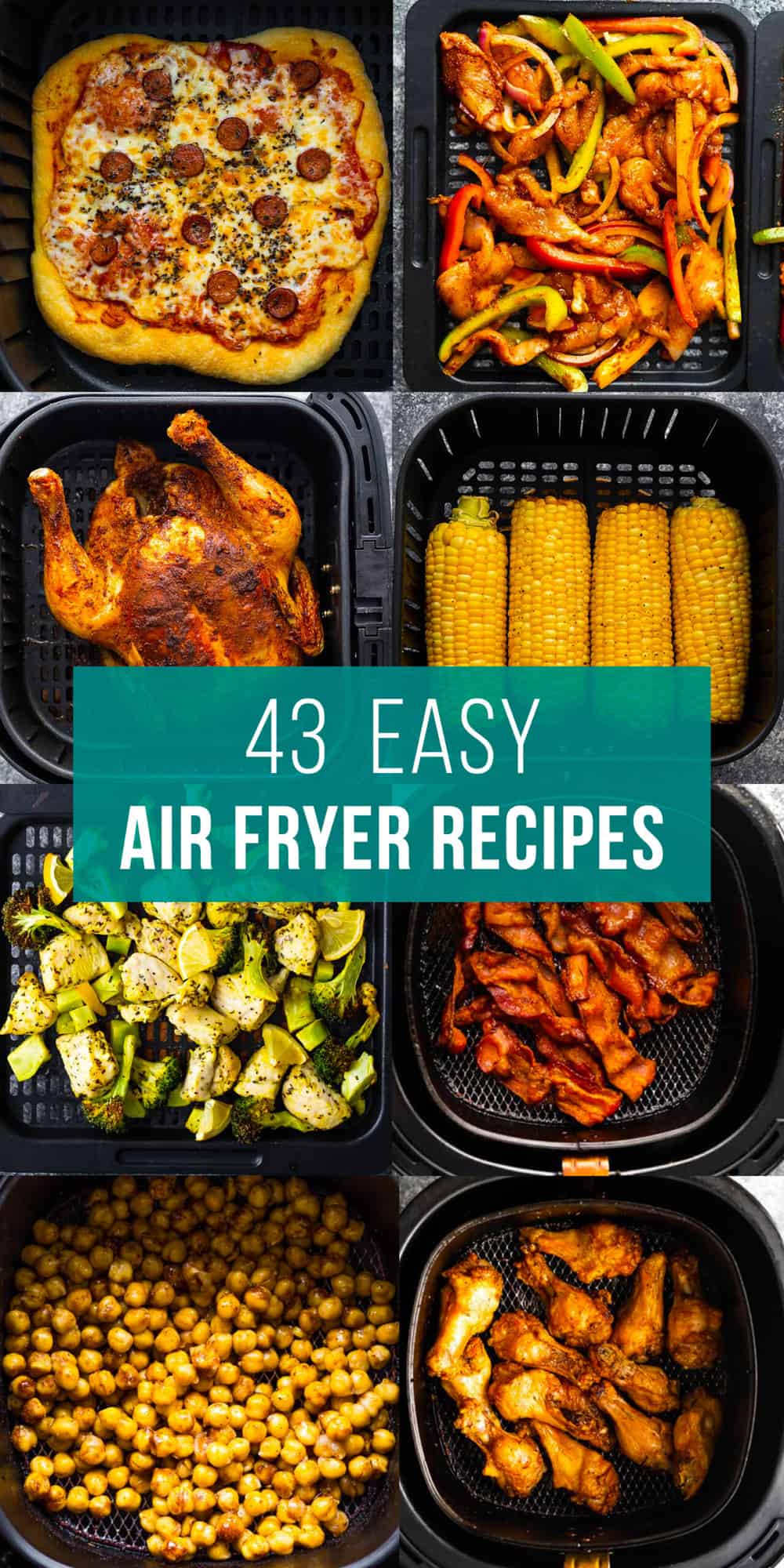
An air cooker, often called an air fryer, can cook far more than frozen fries. In a U.S. kitchen, you can use it to roast vegetables, crisp chicken wings, bake small desserts, reheat leftovers, cook fish, toast sandwiches, and prepare quick snacks with little oil.
An air fryer uses a heating element and a high-speed fan to move hot air around food. This creates a browned, crisp surface while the center cooks through. It works best with foods that benefit from dry heat and airflow.
The guide below explains what you can cook, how to adjust time and temperature, which foods need care, and how to check that food is safe to eat.
The Best Foods to Cook in an Air Cooker
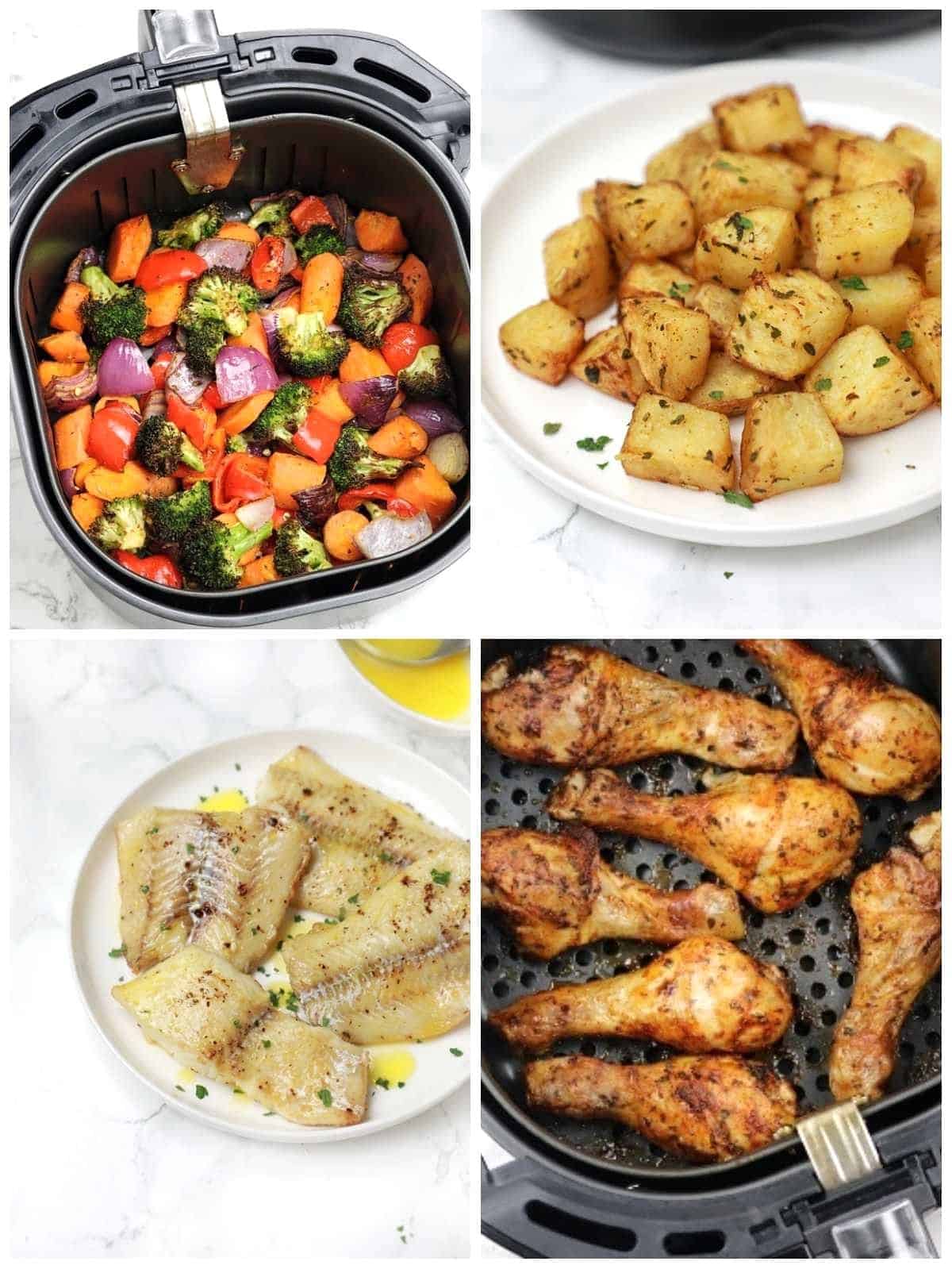
The best air fryer foods are small, fairly dry, and able to brown. Foods with a crisp coating or firm surface usually perform well.
You can cook:
- Fresh and frozen vegetables
- Chicken wings, tenders, thighs, and breasts
- Fish fillets and shrimp
- Burgers and meatballs
- Steak and pork chops
- French fries and other frozen snacks
- Toasted sandwiches and quesadillas
- Eggs and breakfast foods
- Small cakes, cookies, and hand pies
- Leftovers that become crisp when reheated
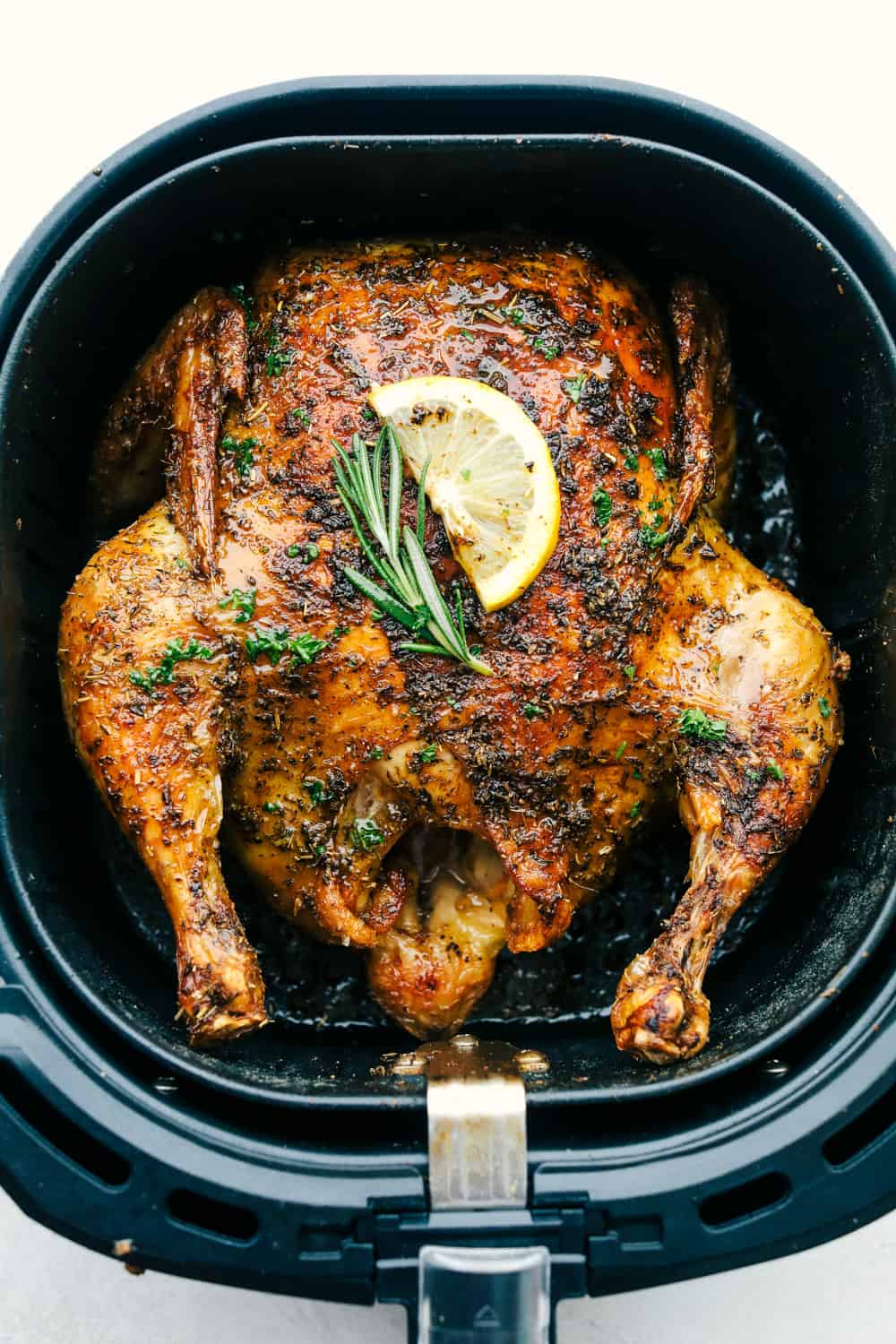
An air fryer is less suitable for thin liquid batter, large roasts, wet soups, and loose grains. The fan can blow light batter around before it sets. A deep pot, oven, or stovetop pan is better for those foods.
Foods that usually work well
| Food type | Examples | Why it works |
|---|---|---|
| Frozen foods | Fries, tater tots, mozzarella sticks | They are made for dry, hot cooking |
| Vegetables | Broccoli, cauliflower, Brussels sprouts | The edges brown and crisp |
| Poultry | Wings, tenders, thighs | The skin and coating can turn crisp |
| Seafood | Salmon, cod, shrimp | Fast cooking helps prevent dryness |
| Meat | Burgers, meatballs, pork chops | The hot air browns the outside |
| Bread foods | Toast, bagels, quesadillas | Airflow creates a toasted surface |
| Small baked foods | Cookies, muffins, hand pies | Small portions cook faster than large cakes |
The main limit is size. A thick food may brown on the outside before the center reaches a safe temperature. Cut large foods into smaller pieces when possible, and use a food thermometer for meat, poultry, and seafood.
How an Air Cooker Works
An air fryer cooks by circulating hot air around food. The heating element warms the air, while the fan moves that air through the basket or cooking chamber.
This process has three useful effects:
- It removes surface moisture. Dry surfaces brown more easily.
- It transfers heat quickly. Small pieces can cook faster than they do in a large oven.
- It exposes more food to moving air. This helps create a crisp texture.
An air fryer does not truly “fry” food in the same way as oil immersion. It uses little or no added oil. A light coating of oil can improve browning, but too much oil may drip, smoke, or make food greasy.
Most air fryers work best between 350°F and 400°F. Lower temperatures suit delicate foods and slow cooking. Higher temperatures help brown frozen foods and thin pieces.
Basket air fryer versus air-fryer oven
A basket model has a small cooking chamber and a perforated basket. It often cooks quickly because the food sits close to the heating element and has strong airflow.
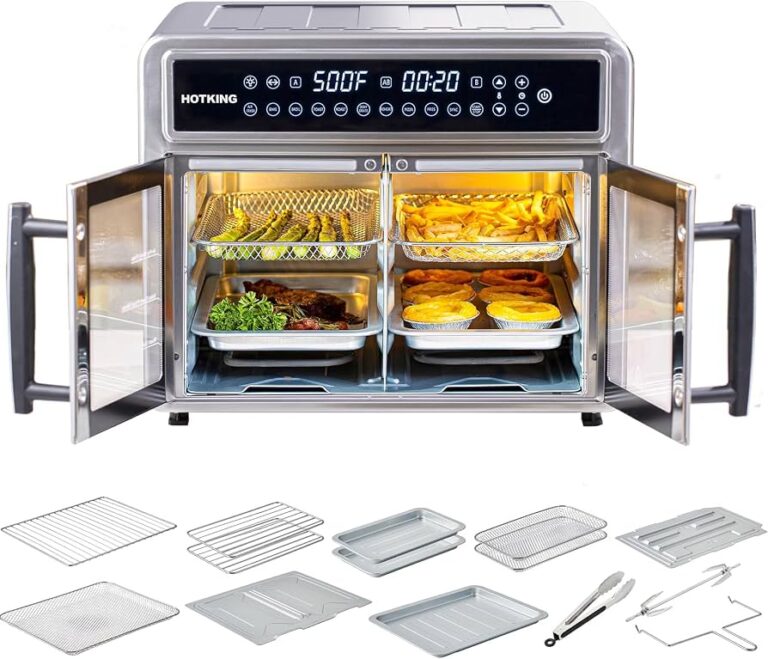
An air-fryer oven may hold more food and offer shelves, trays, or rotisserie parts. However, several layers can block airflow. Food may need to be rotated or moved between racks for even cooking.
Always follow the manual for your model. Cooking speed depends on basket shape, wattage, food size, starting temperature, and how full the basket is.

Air Fryer Cooking Chart
Use this chart as a starting point, not as a guarantee. Times vary by model and food size. Turn or shake food halfway through cooking unless the recipe says otherwise.
| Food | Temperature | Approximate time | Key check |
|---|---|---|---|
| Frozen French fries | 380°F–400°F | 12–20 minutes | Shake several times |
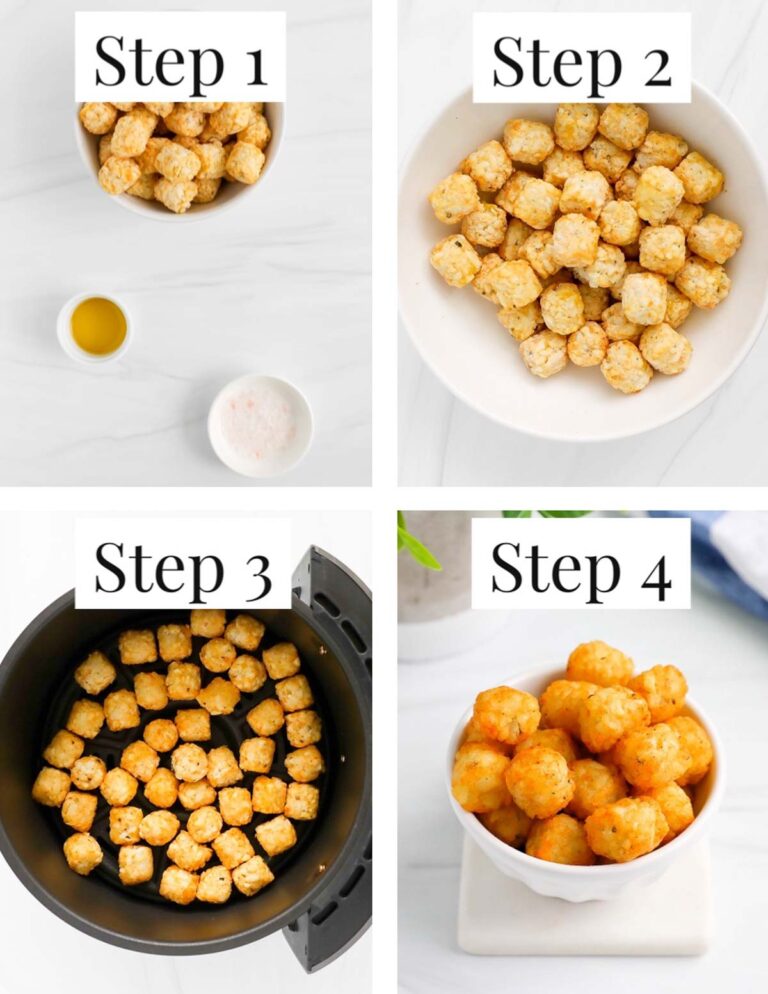
| Tater tots | 400°F | 12–18 minutes | Cook until crisp |
| Chicken wings | 380°F–400°F | 20–28 minutes | Check the thickest piece |
| Chicken tenders | 375°F–400°F | 10–16 minutes | Verify safe internal temperature |
| Chicken breast pieces | 375°F–400°F | 15–22 minutes | Thickness controls time |
| Salmon fillet | 375°F–400°F | 8–14 minutes | Check the center |
| Shrimp | 375°F–400°F | 5–9 minutes | Remove when opaque |
| Broccoli florets | 375°F–400°F | 8–14 minutes | Shake and avoid burning tips |
| Brussels sprouts | 375°F–400°F | 12–18 minutes | Cut large sprouts in half |
| Burgers | 375°F–400°F | 8–14 minutes | Use a thermometer |
| Meatballs | 375°F–400°F | 10–16 minutes | Turn for even browning |
| Quesadilla | 350°F–375°F | 5–8 minutes | Secure the top tortilla |
| Reheated pizza | 350°F–375°F | 3–6 minutes | Watch the cheese |
| Toasted bagel | 350°F–375°F | 3–5 minutes | Check early |
For food safety, the U.S. Department of Agriculture recommends checking internal temperature with a food thermometer. Poultry should reach 165°F. Ground meats should reach 160°F. Fish and whole cuts of beef, pork, lamb, and veal should generally reach 145°F, followed by a three-minute rest for whole cuts.

Vegetables You Can Cook in an Air Fryer
Air-fried vegetables can develop browned edges while staying tender inside. Broccoli, cauliflower, carrots, zucchini, asparagus, green beans, peppers, onions, mushrooms, and Brussels sprouts are good choices.
Cut vegetables into similar sizes so they finish at the same time. Toss them with a small amount of oil, then add salt and seasonings. Spread them in a loose layer instead of filling the basket to the top.
Simple air-fried vegetable method
- Wash and dry the vegetables well.
- Cut them into similar pieces.
- Toss with a small amount of oil and seasoning.
- Cook at about 375°F to 400°F.
- Shake or turn the pieces halfway through.
- Remove them when the edges are browned and the centers are tender.
Frozen vegetables can also work, but they may release water as they cook. Start with a short cook time, shake the basket, and continue until the surface is browned.
Do not crowd wet vegetables. Too much food traps steam, which makes the vegetables soft instead of crisp.

Chicken, Meat, and Seafood
An air fryer can cook many small portions of protein quickly. Chicken wings, chicken thighs, tenders, pork chops, burgers, meatballs, salmon, cod, tilapia, and shrimp are common choices.
Dry the surface of the protein before seasoning. Moisture on the outside slows browning. A small amount of oil can help spices stick and can improve color.
Chicken
Chicken wings benefit from high heat and space around each piece. Drumsticks and thighs usually need more time than thin tenders. Thick chicken breasts can dry on the outside before the center is done, so use even pieces or reduce the temperature slightly.
Beef and pork
Burgers, meatballs, steak, and pork chops can brown well in an air fryer. Cooking time depends heavily on thickness and the desired level of doneness.
A thermometer is more reliable than color. The USDA recommends a minimum internal temperature of 160°F for ground beef and pork. Whole cuts of beef and pork should generally reach 145°F and rest for three minutes.
Fish and shrimp
Fish cooks quickly and can become dry if left too long. Brush the surface lightly with oil or sauce, then check early. Shrimp are usually ready when they become opaque and form a loose “C” shape. A tight “O” shape can indicate overcooking.
Seafood should reach a safe internal temperature. The USDA lists 145°F as the recommended minimum for fish.

Frozen Foods and Convenience Foods
Frozen foods are among the easiest foods to cook in an air fryer. Many are already coated with oil or designed for oven cooking, so you often do not need extra oil.
Good choices include:
- French fries
- Tater tots
- Hash brown patties
- Chicken nuggets
- Chicken wings
- Fish sticks
- Breaded shrimp
- Mozzarella sticks
- Egg rolls
- Taquitos
- Frozen vegetables
- Pizza rolls
Cook frozen food directly from frozen unless the package says otherwise. Preheating is often optional, but a preheated basket may shorten the cooking time.
Shake small foods during cooking. This helps expose more surfaces to the hot air. For delicate foods such as mozzarella sticks, stop cooking as soon as the coating is browned and the cheese begins to soften.
Do not assume the air fryer uses the same time as a package oven direction. Begin checking several minutes early. The smaller space may cook food faster.

Breakfast Foods and Snacks
An air fryer can handle many breakfast and snack foods. It can toast bread, crisp bacon, warm pastries, roast nuts, and cook small portions of eggs.
Useful options include:
- Bacon
- Sausage links or patties
- Hash brown patties
- Toast
- Bagels
- English muffins
- Breakfast burritos
- Hard-cooked eggs
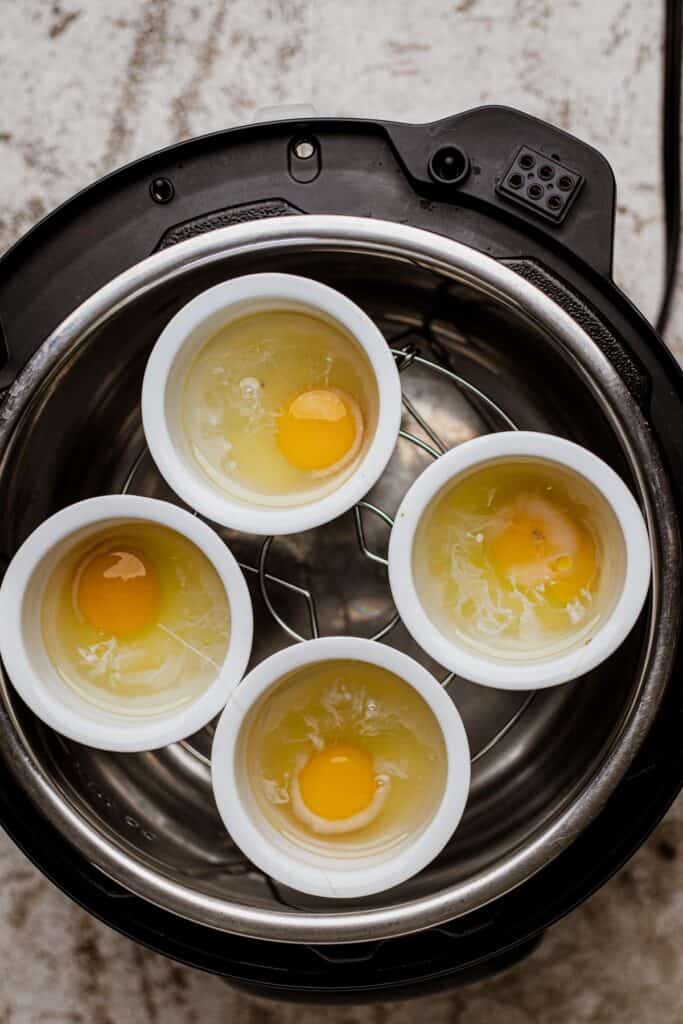
- Baked eggs in a small oven-safe dish
- Cinnamon toast
- Roasted nuts
- Apple slices
- Chickpeas
- Tortilla chips
Light foods need attention. The fan may lift a slice of bread, parchment, or a tortilla into the heating element. Use only accessories approved for your model, and keep loose paper away from the heating element.
For foods that release grease, such as bacon, check the basket and drip area during cooking. Excess grease can smoke, especially at high temperatures.

Can You Bake in an Air Cooker?
Yes. You can bake small portions of cookies, muffins, brownies, hand pies, biscuits, and cakes in an air fryer.
Air fryers often brown the top quickly. A smaller baking pan can help protect the center from direct heat. Choose an oven-safe pan that fits inside the basket while leaving room for airflow.
Useful baking tips:
- Reduce the recipe size if needed.
- Leave space around the pan.
- Check the food before the recipe’s full oven time.
- Lower the temperature if the top browns too quickly.
- Test the center with a toothpick or food thermometer when suitable.
- Let baked food cool before removing it from a flexible pan.
Do not fill a pan to the rim. Batter rises, and a full pan can block air circulation or spill into the heating area.
Air frying is less useful for large cakes, bread loaves, or foods that require steam. A conventional oven gives these foods more room and steadier heat.

How to Reheat Food in an Air Fryer
An air fryer is especially useful for reheating foods that become soggy in a microwave. Pizza, fried chicken, fries, roasted vegetables, sandwiches, and pastries can regain some crispness.
Use a moderate temperature, often around 325°F to 375°F, and check the food early. High heat can burn the outside while leaving the center cold.
Reheating guide
- Pizza: Heat at about 350°F to 375°F until the cheese is hot.
- French fries: Use about 350°F to 375°F and shake once or twice.
- Fried chicken: Use moderate heat so the coating does not burn.
- Sandwiches: Wrap delicate fillings loosely in foil if needed, but keep airflow open.
- Roasted vegetables: Heat until the center is hot and the edges are crisp.
- Pastries: Use lower heat and check often.
Refrigerate leftovers within two hours, or within one hour when the surrounding temperature is above 90°F, according to USDA guidance. Reheat leftovers until they are hot throughout. A food thermometer can confirm that the center has reached 165°F.

Foods You Should Not Cook in an Air Fryer
Some foods are unsafe, messy, or poorly suited to the strong airflow in an air fryer.
Avoid or use caution with:
- Thin wet batter
- Soup, stew, or other liquids
- Large amounts of cheese without a container
- Loose herbs or lightweight leafy greens
- Very light parchment paper
- Wet rice or pasta
- Large whole chickens in small baskets
- Foods that fill the basket completely
- Plastic containers not marked as oven-safe
- Foods with excessive oil
A small oven-safe dish can contain baked cheese, eggs, or sauces. Never pour liquid into the bottom of a basket model unless the manufacturer specifically permits it.
Do not place ordinary plastic in an air fryer. Heat can deform plastic and may transfer unwanted chemicals to food. Use cookware labeled for the temperature and cooking method.

Common Air Fryer Mistakes
The most common mistake is overcrowding the basket. Hot air needs room to move. When food is packed tightly, it steams instead of browning.
Other common problems include:
Using too much oil
Air fryers need less oil than deep fryers. Too much oil can drip into the bottom, create smoke, and make food greasy. A light coating is usually enough.
Skipping the shake
Small foods need movement. Shake fries, vegetables, and nuggets halfway through cooking for more even color.
Cooking food in large pieces
A large piece may look done outside while remaining undercooked inside. Cut food into even pieces or lower the temperature and extend the cooking time.
Trusting the timer alone
The timer does not know the food’s thickness or starting temperature. Check early and use a thermometer for meat, poultry, and seafood.
Blocking airflow
Foil, parchment, pans, and stacked food can reduce circulation. Use accessories approved for the appliance and leave open space around them.
Not cleaning grease
Grease and crumbs can smoke during later cooking. Unplug the appliance, let it cool, and clean it according to the manufacturer’s instructions.
Air Fryer Safety and Food Temperature Guide
Food safety depends on both temperature and handling. Clean hands, utensils, and surfaces before and after preparing raw meat or seafood. Keep raw foods separate from ready-to-eat foods.
Use a calibrated food thermometer in the thickest part of the food. Avoid touching bone, the basket, or the cooking pan when taking a reading.
| Food | Minimum internal temperature |
|---|---|
| Poultry, including chicken and turkey | 165°F |
| Ground beef, pork, lamb, and veal | 160°F |
| Fish | 145°F |
| Whole cuts of beef, pork, lamb, and veal | 145°F, then rest 3 minutes |
| Leftovers and casseroles | 165°F |
These temperatures come from USDA food safety guidance. They are not estimates of cooking time. A 165°F chicken breast may cook in a different amount of time than a 165°F chicken thigh because thickness, bone, and starting temperature differ.
Stop using the appliance if the cord, plug, basket, or heating area shows damage. Keep the air fryer on a stable, heat-resistant surface with the required clearance from walls and cabinets. Always follow the safety instructions for the exact model.
Key Takeaways
- An air cooker can roast, bake, toast, reheat, and crisp many foods.
- Frozen foods, vegetables, chicken, fish, seafood, burgers, and small baked foods work well.
- Use a light amount of oil rather than filling the basket with oil.
- Leave space around food so hot air can circulate.
- Shake or turn food halfway through cooking.
- Use a food thermometer for meat, poultry, seafood, and leftovers.
- Follow USDA minimum internal temperatures rather than relying only on cooking time.
- Do not cook soup, loose wet batter, or food in unapproved plastic containers.
Frequently Asked Questions
Can you cook raw meat in an air fryer?
Yes. You can cook raw chicken, beef, pork, lamb, burgers, meatballs, and fish in an air fryer. Use a food thermometer to confirm that the center reaches the proper safe temperature.
Can you put aluminum foil in an air fryer?
Often, yes, but only when the appliance manual allows it. Do not cover the entire basket or block the airflow. Secure foil under food so the fan cannot lift it into the heating element.
Do you need to preheat an air fryer?
Not always. Some foods cook well without preheating. Preheating can help with foods that need a crisp surface, such as fries, chicken wings, and breaded foods. Follow the recipe and appliance instructions.
Can you cook frozen food without thawing it?
Yes. Many frozen foods are designed to cook directly from frozen. Begin checking before the package time because air fryers may cook faster than a full-size oven.
Can you cook eggs in an air fryer?
Yes. You can cook eggs in the shell, bake eggs in a small oven-safe dish, or prepare breakfast cups. Cooking time depends on the model and the desired texture. Handle hot eggs carefully and cool them promptly if you plan to store them.
How do you keep food from drying out?
Avoid overcooking, use a moderate temperature for thick foods, and check early. A small amount of oil or a light coating can protect the surface. Do not crowd the basket, because crowded food may cook unevenly and require extra time.
Final Answer: What Can You Cook in an Air Cooker?
You can cook most small foods that benefit from dry, circulating heat. The strongest choices include frozen snacks, vegetables, chicken wings, meatballs, burgers, fish, shrimp, toasted sandwiches, reheated pizza, and small baked foods.
For the best results, keep food in a loose layer, use only a little oil, turn or shake the basket, and check the center of meat and seafood with a thermometer. Start with the air fryer’s manual or the food package directions, then adjust time and temperature based on thickness and browning.