What Is The Best Thing To Air Fry: Best Foods To Try
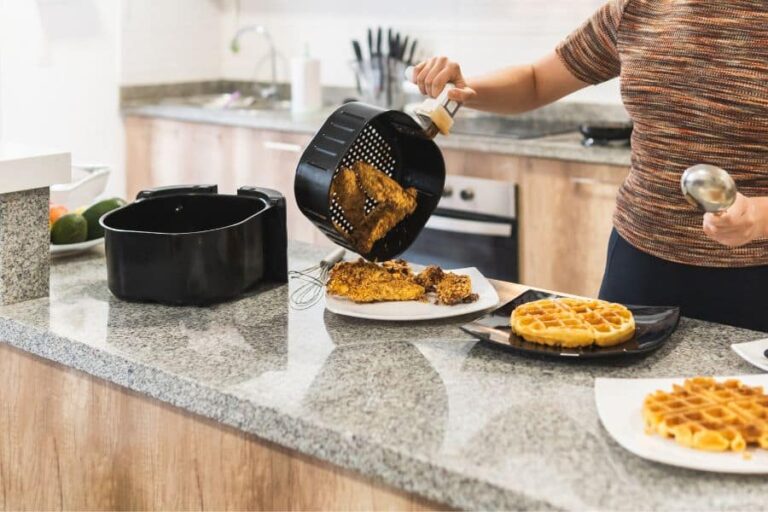
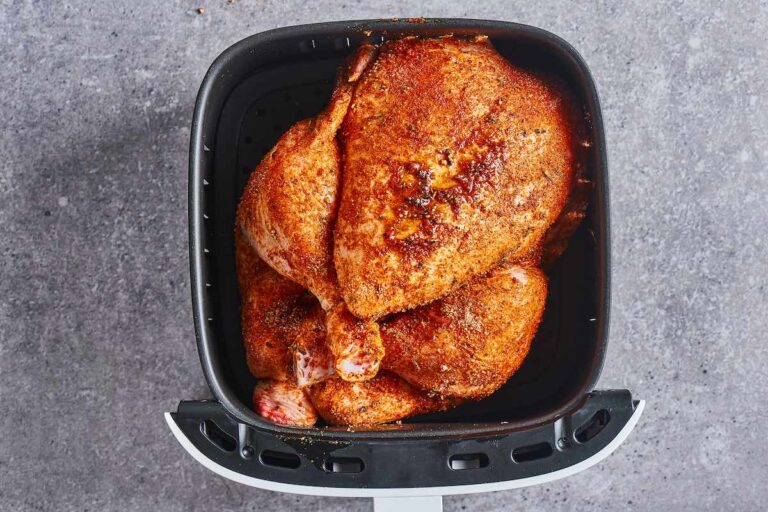
The best thing to air fry is chicken wings. An air fryer can make the skin crisp, brown, and light without deep-frying in a large pot of oil. It also cooks small batches of wings with less mess.
Chicken wings are not the only good choice. French fries, vegetables, salmon, chicken tenders, and reheated pizza also work well. The best food depends on what you want: crisp skin, quick cooking, less oil, or a fast way to reheat leftovers.
This guide explains what to air fry, how to get the best results, and which foods may not work well in an air fryer.

Why Chicken Wings Are the Best Food to Air Fry
Chicken wings suit an air fryer's main strength: moving hot air around a small piece of food. The hot air dries the skin and helps the fat under the skin render. This creates a crisp outside while the meat stays moist.
You do not need to cover the wings in oil. A light coating can help spices stick, but the wings often contain enough fat to brown well. This makes air-fried wings less greasy than deep-fried wings, though the final nutrition still depends on the cut, skin, sauce, and serving size.
Air-fried wings also have three practical benefits:
- They cook faster than many oven methods.
- They need little oil.
- They are easy to cook in small batches.
A food thermometer matters more than a fixed cooking time. The U.S. Department of Agriculture (USDA) says poultry should reach 165°F (74°C) at the thickest part.
Basic air fryer chicken wing method
- Pat the wings dry. Moist skin will steam instead of crisp.
- Season the wings. Use salt, pepper, garlic powder, paprika, or another dry spice mix.
- Preheat if your model calls for it. Many air fryers do not need a long preheat.
- Place the wings in one layer. Leave space between pieces.
- Cook at 380°F to 400°F. Turn or shake the basket partway through.
- Check the inside with a thermometer. The thickest part must reach 165°F.
- Add sauce after cooking. This helps keep the skin crisp.
Fresh wings often take about 20 to 30 minutes, depending on their size, the basket, and the cooking temperature. Frozen wings may take longer. Treat these times as a starting point, not a guarantee.
For extra crisp skin, cook the wings until the surface is deeply browned. Then toss them with buffalo sauce, barbecue sauce, honey garlic sauce, or serve them plain with a dip.

The Best Foods to Air Fry
The best air fryer foods are usually small, fairly dry, and able to brown. Foods with a crisp coating or a firm surface tend to perform well.
| Food | Why it works | Starting temperature | Typical starting time |
|---|---|---|---|
| Chicken wings | Skin browns and crisps | 380–400°F | 20–30 minutes |
| French fries | Dry heat creates a crisp surface | 375–400°F | 15–25 minutes |
| Chicken tenders | Small pieces cook quickly | 375–400°F | 10–16 minutes |
| Brussels sprouts | Edges brown while centers soften | 375–400°F | 12–18 minutes |
| broccoli | Florets develop browned edges | 375–400°F | 8–14 minutes |
| Salmon | Quick cooking with little cleanup | 375–400°F | 7–12 minutes |
| Potato wedges | Thick cuts become crisp outside | 380–400°F | 18–28 minutes |
| Reheated pizza | The crust firms without a microwave | 325–375°F | 3–6 minutes |
Cooking time changes with food size, starting temperature, basket size, and how full the basket is. Check food early the first time you make it.
French fries and potato foods
Frozen French fries are among the easiest foods to air fry. They already contain the right shape and often have a surface designed for oven or fryer cooking.
Shake the basket once or twice during cooking. Do not fill the basket to the top. A crowded basket traps steam and can leave the fries soft.
For fresh fries:
- Cut the potatoes into even strips.
- Rinse them in cold water to remove some surface starch.
- Dry them very well.
- Toss with a small amount of oil.
- Cook in batches if needed.
- Salt after cooking for a crisper surface.
Potato wedges, hash browns, tater tots, and sweet potato fries also work well. Sweet potato fries often soften faster because they contain more moisture and sugar.
Vegetables
An air fryer can make vegetables more appealing by adding browned edges and a roasted taste. Good choices include:
- Broccoli
- Cauliflower
- Brussels sprouts
- Green beans
- Asparagus
- Zucchini
- Bell peppers
- Carrots
Cut pieces to a similar size so they finish at about the same time. Add a thin layer of oil, but avoid soaking the vegetables. Small pieces may need a lower temperature or shorter time than large pieces.
Leafy greens can burn quickly. Use care with kale chips, spinach, and other light foods. The fan may also blow loose leaves around the basket.
Salmon and other fish
Salmon is a strong air fryer choice because it cooks quickly and does not require a large pan. Place the fillet skin-side down if it has skin. Brush it with a small amount of oil, then add seasoning.
Check the thickest part with a thermometer. The USDA recommends 145°F (63°C) for fish. The fish should look opaque and separate easily with a fork.
Thin fish fillets can dry out if cooked too long. Start checking early. Breaded fish also works, but a loose coating may blow off if the food is not handled carefully.
Reheating leftovers
An air fryer is often better than a microwave for foods that should stay crisp. It can reheat:
- Pizza
- Fried chicken
- French fries
- Egg rolls
- Tacos
- Toasted sandwiches
- Roasted vegetables
Use a lower temperature for leftovers than for raw food. This warms the center while reducing the risk of burning the outside. Do not crowd the basket, and check the food often.

How to Choose the Right Food for an Air Fryer
Choose food that has a dry surface, a firm shape, and enough space for hot air to move around it. This simple test can help you predict the result before cooking.
Best choices
Air fryers are well suited to:
- Small cuts of meat
- Breaded foods
- Frozen foods made for oven cooking
- Firm vegetables
- Potatoes
- Foods that need reheating without becoming soggy
Less suitable choices
Some foods create poor results or safety concerns:
- Wet batter
- Very light leafy foods
- Large roasts
- Very liquid foods
- Loose cheese
- Foods with a high water content and no coating
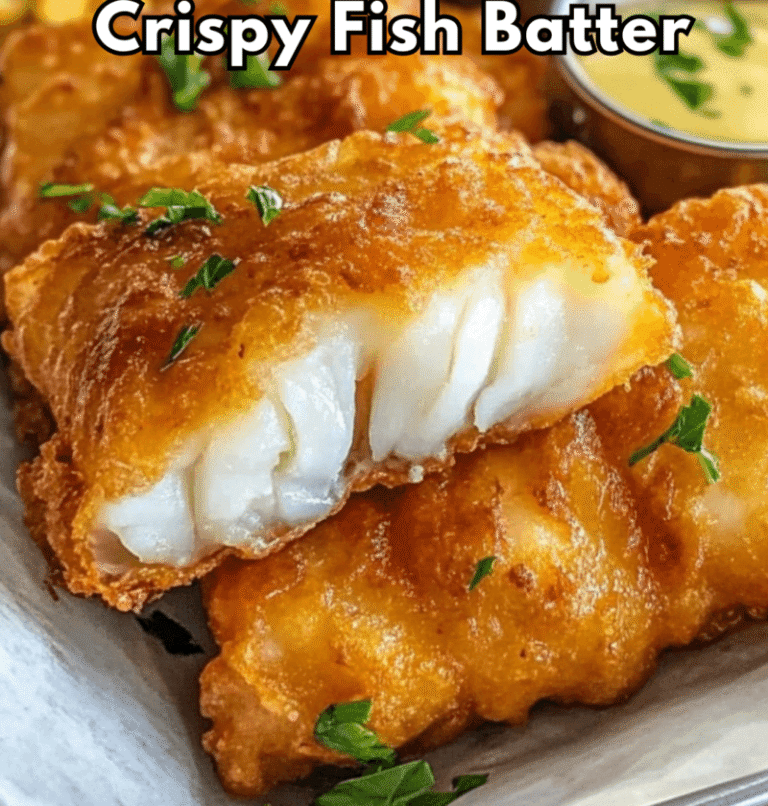
Wet batter usually drips through the basket before it can set. Use a dry coating or a thicker breading instead. Foods such as soup, stew, and sauce belong in a pot or oven-safe dish, not directly in the basket.
Large pieces of meat may brown on the outside before the center cooks. If you air fry a large item, use a thermometer and follow the instructions for your specific appliance.
An air fryer is a small convection oven. It is not a deep fryer. It cannot safely turn every deep-fried recipe into an air fryer recipe without changes.

How to Get Crisp Air-Fried Food
Crisp food needs dry heat and good air flow. The most common problem is not the recipe. It is an overfilled basket.
Use these steps:
- Dry the food first. Pat meat, potatoes, and vegetables with paper towels.
- Use a small amount of oil. A light coating helps browning. Too much oil can make food greasy.
- Leave space between pieces. Hot air must reach the sides.
- Shake or turn the food. This helps it brown more evenly.
- Cook in batches. Two small batches often beat one crowded batch.
- Sauce at the end. Sugary sauces can burn before the food is done.
- Rest briefly before serving. This lets the coating firm up.
Do not rely on cooking spray that contains additives not approved for the air fryer's basket. Check the appliance manual. Some sprays may damage nonstick surfaces over time.
A perforated liner can help with small foods, but it may reduce air flow. Never place a loose liner in the basket while the air fryer is heating. Food should hold it down.
Why food turns out soft
Soft food usually has one of four causes:
- The basket is too full.
- The food is wet.
- The temperature is too low.
- The food needs more time.
Fix one cause at a time. Start by spreading the food into one layer. If the surface still looks pale, continue cooking in short intervals. Avoid adding a large amount of oil to solve a moisture problem.

Air Fryer Safety and Food Safety
Use the air fryer on a stable, heat-safe surface with space around its vents. Keep the appliance away from water, curtains, and other items that can catch fire. Follow the manual for clearance and cleaning instructions.
For raw meat, poultry, and fish, use an instant-read thermometer. Color alone does not prove that food is safe. The USDA recommends these minimum internal temperatures:
- Poultry: 165°F
- Ground meats: 160°F
- Whole cuts of beef, pork, veal, and lamb: 145°F, followed by a three-minute rest
- Fish: 145°F
Do not place frozen raw poultry in the air fryer if the food may remain in an unsafe temperature range for too long. Use the package directions and confirm the center reaches a safe temperature.
Prevent cross-contamination by washing your hands after handling raw meat. Use clean plates and utensils for cooked food. Refrigerate leftovers within two hours, or within one hour when the surrounding temperature is above 90°F, according to USDA guidance.
Clean grease and food pieces from the basket after it cools. Heavy buildup can smoke and affect flavor. Unplug the appliance before deep cleaning, and never immerse the electrical unit in water.

Common Air Fryer Mistakes
Overfilling the basket
This is the most common mistake. A full basket blocks air flow and causes steaming. Cook in smaller batches when crispness matters.
Using too much oil
Air frying needs far less oil than deep frying. Too much oil can drip into the bottom, smoke, or make breading greasy. Use a brush, mister approved for the appliance, or a light toss in a bowl.
Adding sauce too early
Barbecue sauce, honey, and sweet chili sauce can burn. Cook the food first, then add the sauce during the last few minutes or after cooking.
Ignoring food size
Two foods with the same weight may need different times. A thick chicken breast takes longer than thin tenders. Cut food into even pieces and check the thickest piece.
Trusting a preset without checking
Preset buttons are convenient, but they are not a substitute for checking the food. Air fryers differ in power, basket design, and temperature control.
Forgetting to turn food
Some foods brown well on one side but stay pale underneath. Turn pieces or shake the basket when the recipe and food shape allow it.

Frequently Asked Questions
What is the healthiest thing to air fry?
There is no single healthiest air-fried food. Vegetables, fish, and lean proteins are sensible choices because they can cook with little added oil. Air frying does not automatically make processed foods healthy, so the ingredients and portion still matter.
Can you put raw meat in an air fryer?
Yes. Raw meat can be cooked in an air fryer when the appliance can heat it evenly and the meat reaches a safe internal temperature. Use a food thermometer, especially for thick chicken, pork, burgers, and steaks.
Do you need oil in an air fryer?
No, not always. Chicken wings and some frozen foods may need little or no added oil. A small amount can improve browning and help seasonings or breading stick.
Should you preheat an air fryer?
Preheating can help food brown sooner, but it is not required for every recipe. Follow the appliance manual. If you start with a cold basket, the food may need a little more time.
Can you air fry frozen food?
Many frozen foods can go straight into an air fryer. Check the package directions, avoid crowding the basket, and cook until the center is hot. Frozen raw meat may need special care because thickness affects safe cooking.
Can you use aluminum foil in an air fryer?
Some air fryer manuals allow foil, but it must not block the air vents or touch the heating element. Never use foil by itself during preheating, since the fan may lift it. Follow the manual for your model.
The Bottom Line
Chicken wings are the best overall food to air fry because their skin crisps well, their fat supports browning, and they cook in a short time. For other meals, choose French fries and potato foods for crispness, vegetables for roasted edges, salmon for a quick protein, and pizza or fried foods for reheating.
Use dry food, light oil, open space, and a food thermometer. Once you learn how your air fryer handles heat, adjust the time and temperature in small steps rather than relying on one fixed recipe.