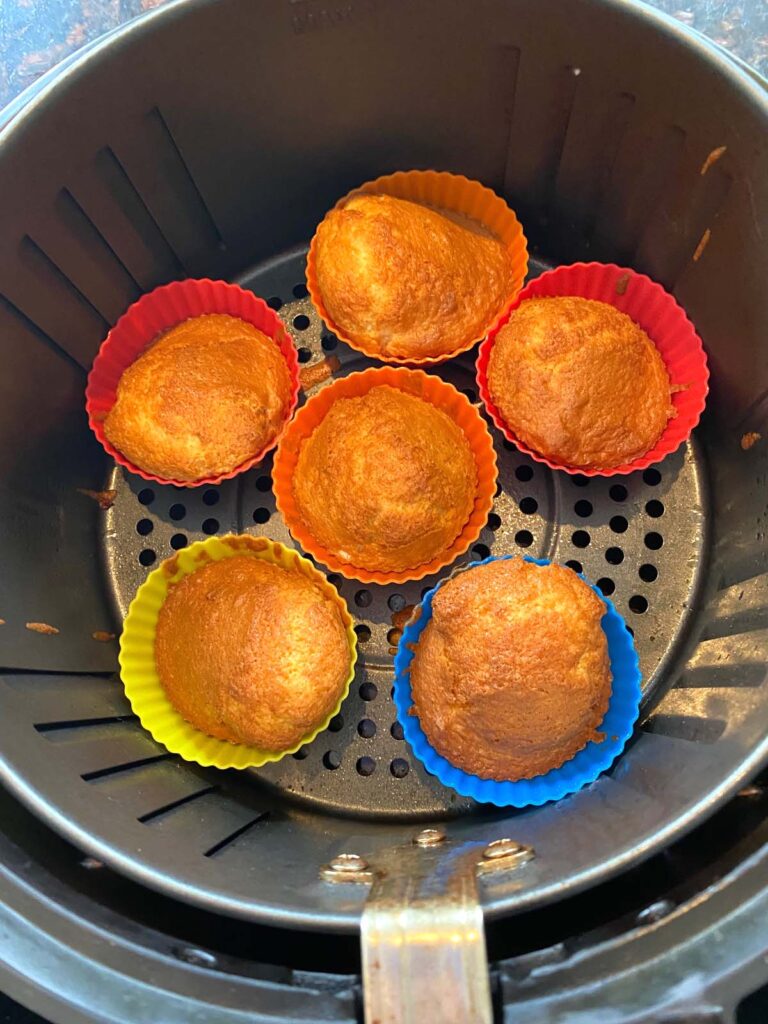
Why Is My Batter Not Crispy: Easy Fixes For Crispier Results
If your fried batter turns soft, greasy, or pale instead of crisp, the usual cause is too much moisture, oil at the wrong temperature, or a batter that is too thick. This applies to fried chicken, fish, shrimp, onion rings, vegetables, and foods such as corn dogs.
For crisp results, the batter needs to dry and set quickly in hot oil. The food must also have a light coating, enough space in the pan, and a short drain time. A simple change—such as raising the oil temperature or thinning the batter—can make a large difference.

The Main Reasons Your Batter Is Not Crispy
Your batter may not be crispy because the coating stayed wet inside, absorbed oil after frying, or did not brown well. Check these causes first:
- The oil was not hot enough.
- The batter was too thick or watery.
- The food had too much surface moisture.
- The pan or fryer was overcrowded.
- Steam softened the crust after cooking.
- The batter contained too much flour or not enough starch.
- The cooked food rested on a flat surface.
Crispness comes from a balance of heat, moisture, starch, and oil. When the batter enters hot oil, water turns into steam. That steam helps push oil away from the coating while heat sets the flour and starch. As the coating dries, it forms a firm crust.
If the oil is too cool, the batter stays wet for too long. It can absorb oil before the outer layer firms up. If the oil is too hot, the outside may burn before the inside cooks.
Quick diagnosis table
| What you see | Likely cause | Best first fix |
|---|---|---|
| Pale and soft batter | Oil is too cool | Raise the oil temperature |
| Dark outside but raw inside | Oil is too hot or batter is too thick | Lower heat and use a thinner coating |
| Greasy coating | Low oil temperature or overcrowding | Fry in smaller batches |
| Crisp at first, then soft | Steam is trapped | Use a rack, not a plate |
| Batter slides off | Food is wet or batter is too thin | Dry the food and adjust the batter |
| Heavy, bready crust | Batter is too thick | Add a small amount of liquid |
| Patchy coating | Food was not coated evenly | Shake off excess batter |
What “crispy” means
A crisp coating has a dry, firm surface and a light bite. It should not feel wet, rubbery, or oily. Crispness is different from crunch. A very thick crust may be crunchy but still greasy or tough.
The ideal coating depends on the food. Fish and vegetables often need a light, delicate batter. Fried chicken may use a thicker batter or a wet-and-dry coating. Tempura depends on a thin batter and quick frying.
Oil Temperature Controls the Crust
The most common reason batter is not crispy is oil that is too cool. Most battered foods fry well when the oil stays around 350°F to 375°F, depending on the food and recipe.
A thermometer gives a more reliable result than visual guesses. Use a deep-fry or instant-read thermometer that can safely measure hot oil. Check the oil after adding food because the temperature will drop.
What happens at different temperatures?
- Below about 325°F: The batter may absorb more oil and turn limp.
- Around 350°F to 375°F: The coating usually sets and browns at a useful rate.
- Above about 375°F: The outside may brown too fast while the center remains undercooked.
These ranges are practical cooking guides, not fixed rules. A thin vegetable coating may need less time than thick fried chicken. The food still must reach a safe internal temperature.
For poultry, the U.S. Department of Agriculture recommends an internal temperature of 165°F. Fish should generally reach 145°F, or become opaque and separate easily with a fork. Use the food’s thickest part when checking temperature.
How to keep the oil hot
- Heat the oil before adding food.
- Add only a few pieces at a time.
- Leave space between pieces.
- Wait for the oil to return to temperature before adding another batch.
- Remove loose crumbs that may burn in the oil.
Do not fill a pot more than halfway with oil. Hot oil can foam and rise when food is added. Use a deep, heavy pot and keep water away from the oil. Water can cause dangerous splattering.
Can you fry without a thermometer?
You can test a small drop of batter. It should begin bubbling at once and rise steadily. However, this only gives a rough signal. A thermometer is safer and more consistent, especially when frying thick foods or large batches.
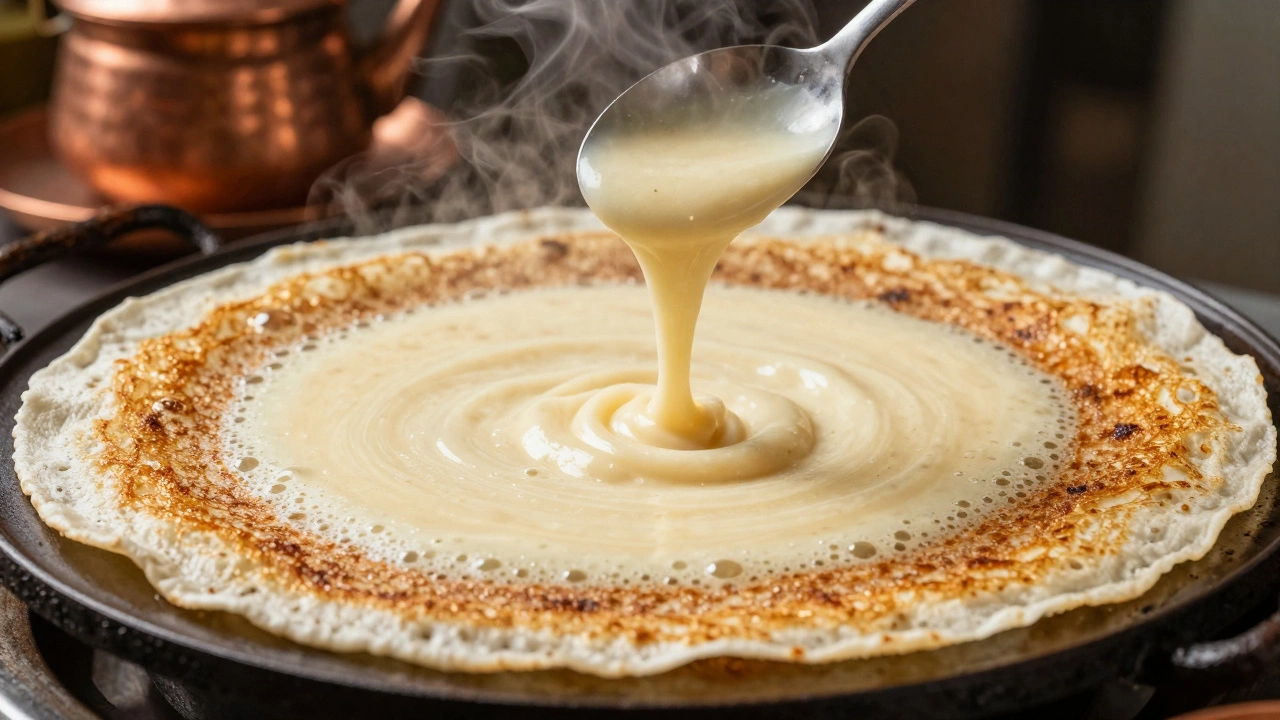
Batter Consistency Makes a Big Difference
Batter that is too thick often creates a heavy, soft crust. Batter that is too thin may run off the food and leave bare spots.
A good batter should cling to the food in a thin, even layer. When you lift the food, excess batter should drip away in a smooth ribbon rather than fall in thick clumps.
If the batter is too thick
A thick batter can trap water inside the crust. It may look brown outside while the inner layer remains doughy.
Try one of these fixes:
- Add a small amount of cold liquid.
- Stir only until the ingredients combine.
- Dip the food once instead of building several thick layers.
- Let excess batter drip off before frying.
Add liquid slowly. A tablespoon at a time is easier to control than a large pour.
If the batter is too thin
Thin batter may fail to cover the food. It can also slide off during frying.
Try these fixes:
- Add a small amount of flour or cornstarch.
- Dry the food before dipping.
- Dust the food lightly with flour first.
- Avoid coating food that is covered in oil or surface water.
A pre-dust can help wet batter stick. Shake off extra flour so the final coating does not become thick or chalky.
Why cold liquid can help
Cold water, beer, or sparkling water can help create a lighter coating in some recipes. The colder batter may slow gluten development and create more vapor during frying.
This does not guarantee crispness. The batter still needs the right thickness, hot oil, and enough cooking time. Keep the mixture cold until you are ready to fry, especially for tempura-style batters.
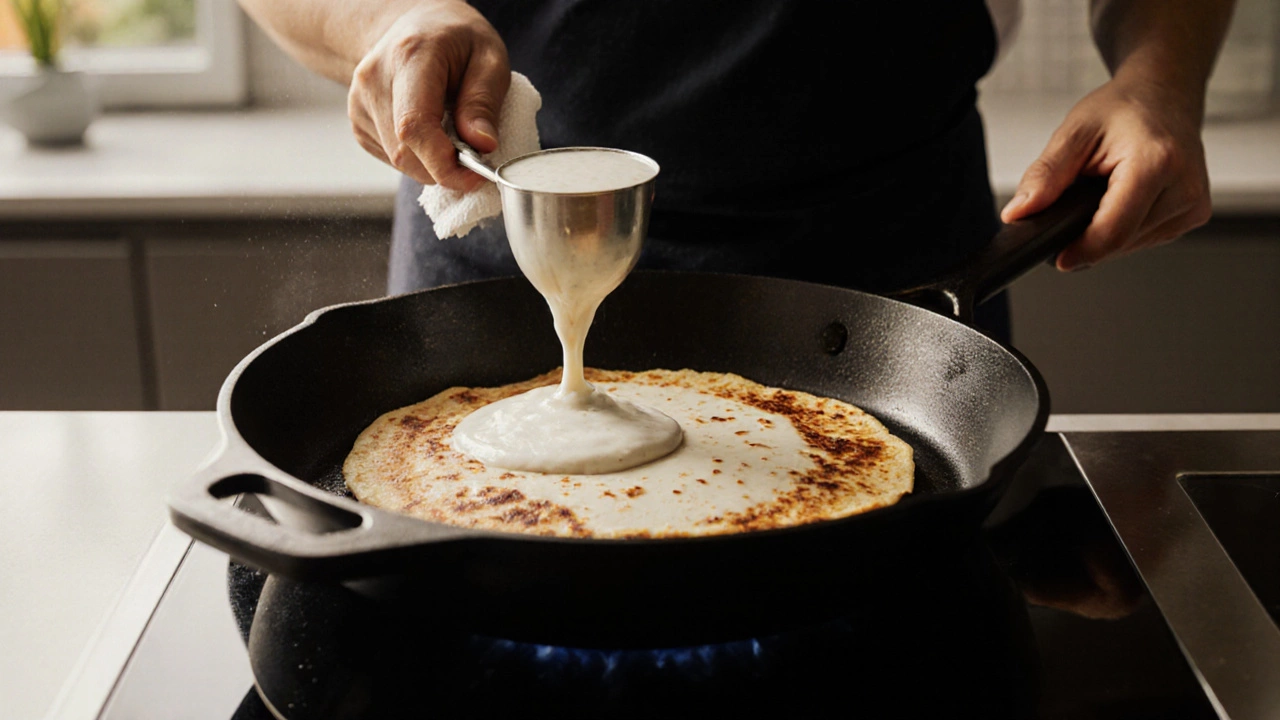
Flour, Starch, and Gluten Affect Crispness
Plain wheat flour gives structure, but too much can make batter dense. Starches such as cornstarch, potato starch, or rice flour can make the coating lighter and more brittle.
A common approach is to replace part of the flour with starch. For example, a batter could use:
- ¾ cup all-purpose flour
- ¼ cup cornstarch
- Enough cold liquid to create a thin coating
This is a general starting point, not a universal formula. Different foods need different textures.
What each ingredient does
- All-purpose flour: Provides structure and browning.
- Cornstarch: Reduces gluten and can make the crust more delicate.
- Rice flour: Often creates a light, crisp texture.
- Baking powder: Produces gas that can lighten the batter.
- Egg: Adds structure, color, and richness but can make the coating softer if used in excess.
- Sugar: Promotes browning but can burn if the oil is too hot.
- Salt: Improves flavor but does not create crispness by itself.
Gluten forms when wheat flour meets water and is mixed. Excess mixing develops more gluten, which can make the crust chewy or tough. For a light batter, stir just until no large dry pockets remain.
Baking powder is not a cure for soggy batter
Leavening can add small air pockets, but it cannot fix cold oil, wet food, or overcrowding. Too much baking powder may create a thick, fragile crust that breaks away.
Use the amount called for in a tested recipe. If you are adjusting a recipe, change one factor at a time so you can identify what helped.

Moisture Is the Enemy of a Crisp Coating
Food releases water as it cooks. That water becomes steam and can soften the crust from the inside. Wet surfaces also prevent batter from sticking well.
Before dipping, pat the food dry with paper towels. This is especially useful for:
- Fish fillets
- Chicken
- Tofu
- Zucchini
- Mushrooms
- Frozen foods that have thawed
- Pickles and other brined foods
Do not rinse battered food just before frying. Extra water can cause the oil to splatter.
Wet ingredients need special care
Some foods contain more water than others. Zucchini, eggplant, mushrooms, and onions can release a lot of moisture. You may need to:
- Cut them into even pieces.
- Salt certain vegetables briefly, then pat them dry.
- Use a thinner coating.
- Fry smaller batches.
- Serve them soon after cooking.
Frozen foods should be handled according to the package directions. Ice crystals can cause severe splattering in hot oil. Remove loose ice and avoid dropping heavily iced food into the fryer.
Why salt can soften a crust
Salt draws water toward the surface of food. Salting vegetables or meat too early can increase surface moisture. If you salt before frying, dry the food well and cook it soon after.
For the crispest finish, add some seasoning after frying. This also helps prevent salt from pulling moisture into the crust during cooking.
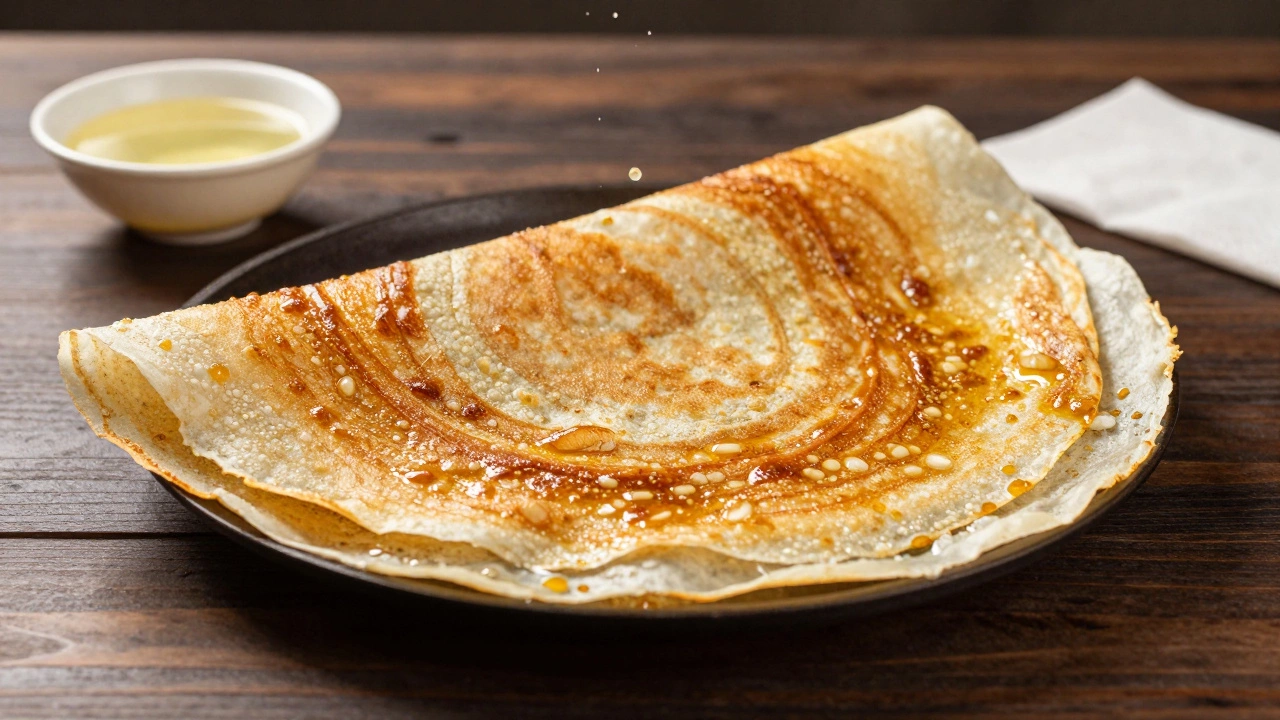
Overcrowding Drops the Oil Temperature
Adding too much food at once can make even a good batter turn soft. Crowding blocks heat, causes pieces to touch, and traps steam above the oil.
Fry in small batches. Each piece should have room to move slightly without sticking to its neighbors.
A practical rule is to leave the pot at least partly open around the food. The exact amount depends on the size of the pot and the food, but the oil should not stop bubbling completely when a batch goes in.
Signs that the batch is too large
- The oil temperature falls sharply.
- The food takes much longer than expected.
- Pieces stick together.
- The coating becomes pale.
- The finished food feels greasy.
Let the oil recover between batches. If you add food before it returns to the target range, each batch may become progressively softer.
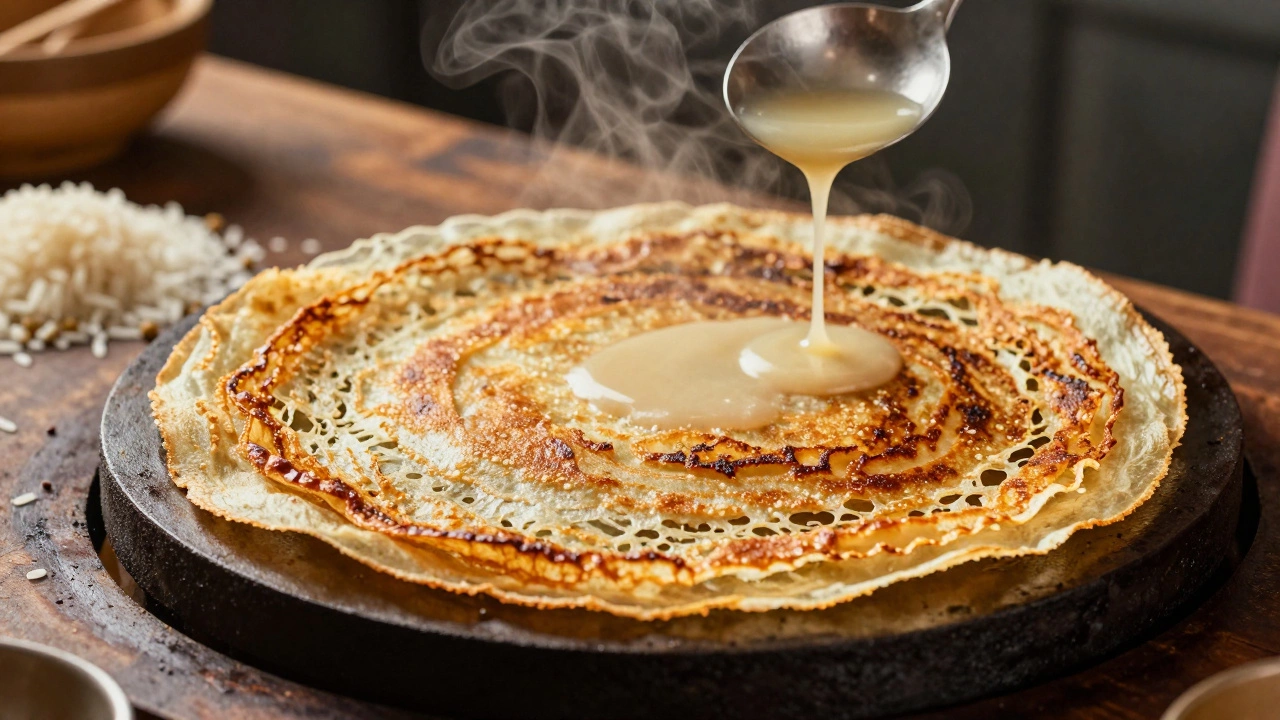
Cooling and Draining Can Make Crispy Batter Soft
Batter can be crisp when it leaves the oil and soft a few minutes later. This usually happens because steam cannot escape.
Do not place fried food directly on a flat plate lined with paper towels for a long period. The bottom surface can trap steam and oil.
Instead:
- Lift the food from the oil.
- Let excess oil drip off briefly.
- Place the food on a wire rack set over a baking sheet.
- Keep pieces in a single layer.
- Serve soon after frying.
A rack lets air move around the entire piece. Paper towels can still help with a quick drain, but they should not press against the whole crust for several minutes.
If you must hold fried food, use a wire rack in a warm oven. Avoid sealing hot fried food in a container because trapped steam will soften the coating. Keep food at a safe temperature and do not leave perishable food at room temperature for more than two hours, or one hour when the air temperature is above 90°F, according to USDA guidance.

A Step-by-Step Method for Crisp Batter
Use this process when you want a reliable starting point.
1. Dry the food
Pat the food dry. Remove loose ice and excess liquid. Cut pieces to a similar size so they cook at the same rate.
2. Prepare a light batter
Mix the dry ingredients first. Add cold liquid gradually. Stir only until combined. Small lumps are usually less harmful than overmixing.
3. Heat the oil
Bring the oil to about 350°F to 375°F, unless your recipe gives a different temperature. Confirm the temperature with a thermometer.
4. Coat the food evenly
Dip one piece at a time. Let extra batter drip off. Do not let coated pieces sit in a pool of batter, where the coating can become thick and uneven.
5. Fry in small batches
Lower the food carefully into the oil. Avoid dropping it, which can cause splashes. Keep pieces separated during the first part of frying.
6. Adjust the heat
Watch the thermometer. Increase or reduce the heat as needed to keep the oil near the target range.
7. Check doneness
Use color, texture, cooking time, and an internal thermometer where needed. Do not rely on a golden crust alone, especially with thick chicken or dense foods.
8. Drain on a rack
Allow the crust to release steam. Serve while hot for the best texture.
Signs of success
Your batter is likely on the right track when:
- It clings in a thin layer.
- The oil bubbles steadily around the food.
- The coating firms within the first minute or two.
- The food browns gradually rather than instantly.
- The finished crust feels dry, not oily.
- The crust stays firm after draining.

Troubleshooting Specific Foods
Different foods fail for different reasons. The same batter may work well for fish but become too heavy on vegetables.
Fried chicken batter is soft
Fried chicken often has a thick coating and releases a great deal of moisture. Dry the chicken well, avoid excessive wet marinade on the surface, and use small batches.
If the crust browns before the chicken cooks, lower the oil temperature slightly and use smaller pieces. Always verify that poultry reaches 165°F internally.
Fish batter is soggy
Fish can release water quickly. Pat the fillets dry and avoid an overly thick batter. A light dusting of flour before dipping can improve adhesion.
Thick fillets may need more cooking time than the crust can tolerate. Use pieces of similar thickness or finish them carefully at a lower temperature after the crust sets.
Vegetable batter is limp
Vegetables contain different amounts of water. Mushrooms and zucchini may need extra drying. Slice them evenly, fry in small batches, and serve soon after cooking.
Onion rings are not crisp
Onions release moisture and can make the inside of the coating soft. Separate the rings, dry them, and avoid a batter layer that is too thick.
A flour pre-dust can help the batter stick. Shake off excess flour before dipping.
Tempura is not light and crisp
Tempura batter is usually mixed briefly and kept cold. Overmixing can make it heavy. Fry the food right away rather than allowing the batter to sit for a long time.
Use a thin coating and avoid overcrowding. Tempura loses crispness quickly, so serve it as soon as possible.
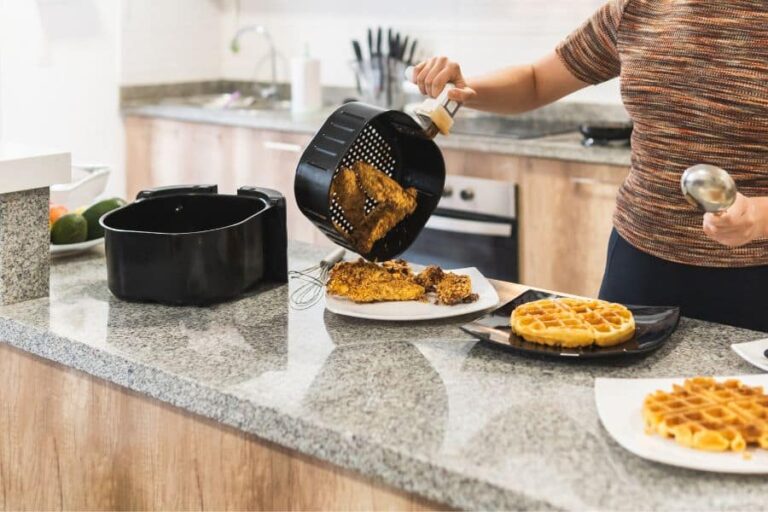
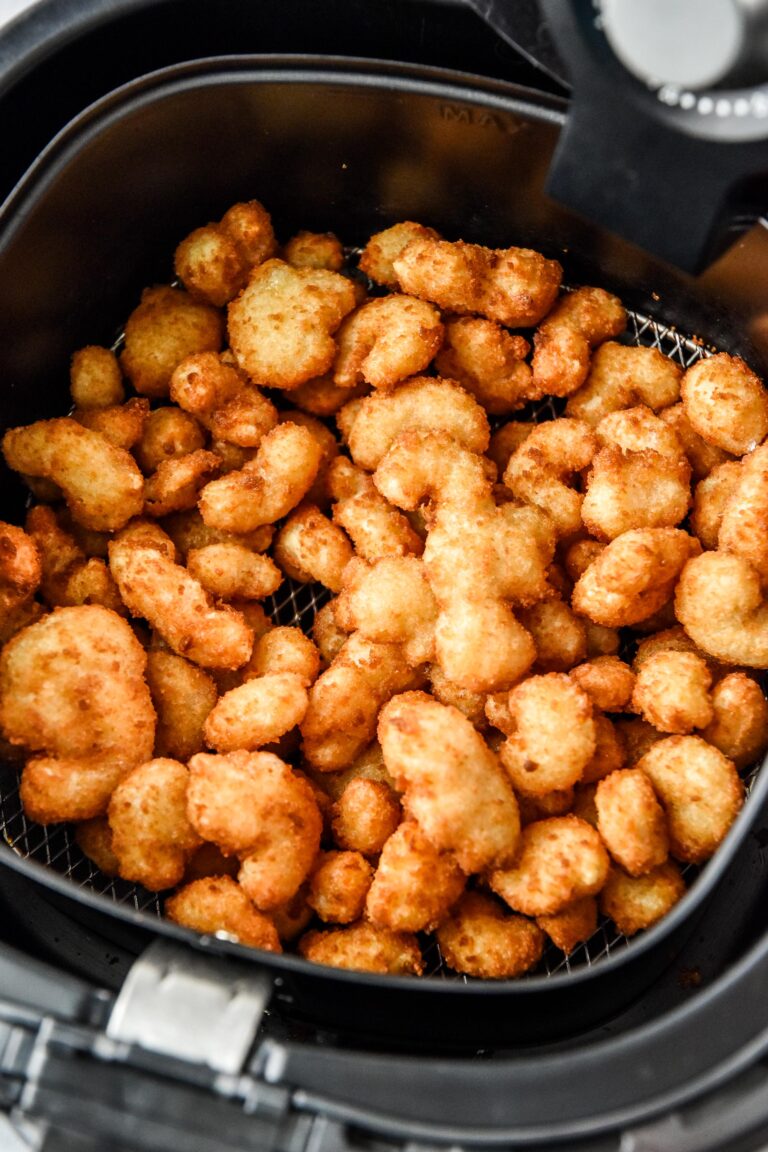
Air-fryer batter is not crispy
A wet batter may not behave like a dry breading in an air fryer. It can drip through the basket or remain soft because the appliance does not surround the food with hot oil.
For an air fryer, use a dry coating such as flour followed by egg and breadcrumbs, or use a batter designed for air-fryer cooking. Lightly oil the coating and leave space between pieces.

Common Mistakes That Make Batter Soft
Avoid these habits when troubleshooting:
Using oil that is already old or full of crumbs
Old oil can have an unpleasant taste and may smoke sooner. Burned crumbs also stick to the food and darken the coating. Strain oil when appropriate and replace it when it smells stale, smokes at normal frying temperatures, or looks heavily degraded.
Letting coated food sit too long
The batter can absorb moisture from the food before it enters the oil. Coat pieces close to frying time unless the recipe specifically calls for a resting period.
Adding too much batter
A thick shell takes longer to cook and holds more steam. Let the excess drip off before frying.
Covering fried food
A lid traps steam. This turns a crisp coating soft and chewy. Use a rack and leave the food uncovered while it drains.
Frying wet food
Surface water can cause splattering and poor adhesion. Dry food carefully before coating.
Changing several ingredients at once
If you change the flour, liquid, oil temperature, and cooking time together, you will not know which change worked. Adjust one variable at a time.

Should You Use Baking Soda, Cornstarch, or Beer?
These ingredients can help, but none can replace good frying technique.
- Cornstarch can reduce gluten and create a lighter, crisper coating.
- Rice flour can provide a delicate, brittle crust.
- Baking powder can make batter lighter.
- Beer or sparkling water can add carbonation and flavor, but the effect depends on the recipe.
- Baking soda changes browning and alkalinity and should be used only in the amount the recipe requires.
Beer does not automatically make batter crispy. A beer batter can still turn greasy if the oil is too cool or if the batter is too thick.

Frequently Asked Questions
Why is my batter crispy at first but soft later?
Steam is likely trapped under the coating. Drain fried food on a wire rack in a single layer, and do not cover it while it is hot.
Why does my batter fall off during frying?
The food may be wet, oily, or poorly coated. Pat it dry, use a light flour pre-dust, and let excess batter drip off before placing it in the oil.
Can I make batter crispy without deep frying?
Yes. A dry breading often works better than wet batter in an air fryer or oven. Use a thin coating, lightly oil it, and leave space around each piece. The result may be crisp but will not be identical to deep-fried batter.
Why is my batter greasy instead of crispy?
The oil was probably too cool, the pan was overcrowded, or the batter was too thick. Check the oil temperature and fry a smaller batch.
Should batter rest before frying?
Some batters benefit from a short rest, but others are best used right away. Resting can hydrate flour and improve structure, while long resting may reduce the effect of carbonation or make the batter heavier. Follow the recipe’s instructions unless you are testing a controlled change.
Final Answer: How to Make Batter Crispy
For crisp batter, start with dry food, a thin coating, and oil held near 350°F to 375°F. Fry in small batches, let excess batter drip off, and drain the finished food on a wire rack. If the crust is still soft, check the oil temperature first, then the batter thickness, moisture, and batch size.
The fastest next step is to fry one small test piece. Measure the oil, watch how quickly the coating sets, and adjust only one factor before cooking the rest.