Teflon Free Air Fryer: Safe Buying Guide
A Teflon-free air fryer cooks crisp food without relying on a PTFE-based nonstick coating.
A teflon free air fryer can be a smart choice if you want fewer coating concerns, easier material transparency, or a cooking basket made from stainless steel, glass, or ceramic. After comparing basket materials, cleaning needs, heat performance, and daily use, I found that the best choice depends less on marketing claims and more on the exact surface inside the appliance. This guide explains what to look for, what “Teflon-free” really means, and how to choose a safe, practical model for your kitchen.
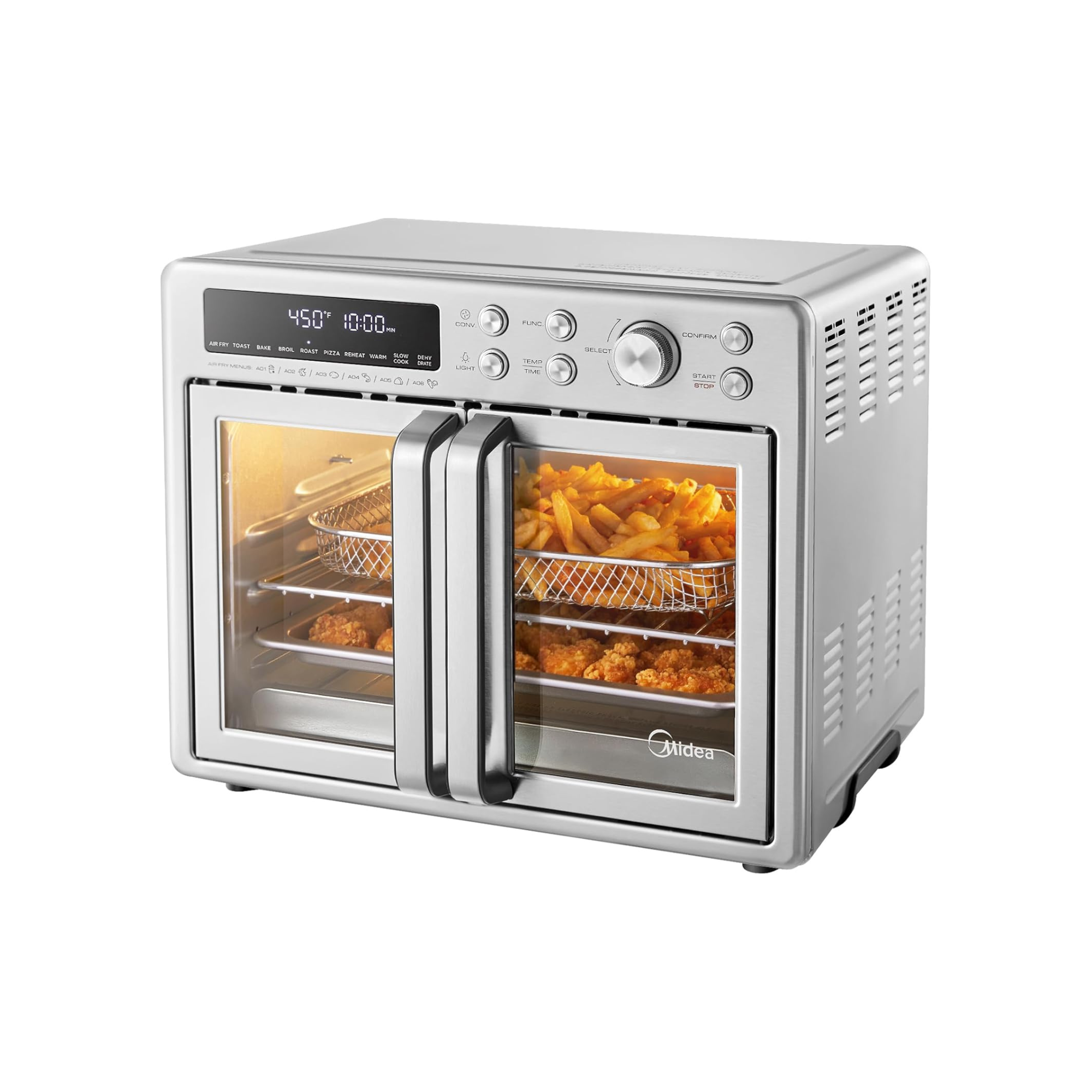
What Is a Teflon-Free Air Fryer?
A teflon free air fryer is an air fryer that does not use Teflon, the registered brand name commonly linked with PTFE nonstick coatings, on its food-contact surfaces. PTFE stands for polytetrafluoroethylene. It is a type of fluoropolymer used in many nonstick cooking products.
“Teflon-free” does not always mean “chemical-free.” Every cooking appliance uses materials, and some models use ceramic coatings, enamel, silicone parts, stainless steel, or glass. The key question is whether the basket or tray uses a PTFE-based coating.
Most air fryers work by moving hot air around food at high speed. This creates a browned surface with less oil than deep frying. The cooking method is similar whether the basket is stainless steel, ceramic-coated, or another material.
When shopping, look for clear wording such as:
• PTFE-free
• PFAS-free, if the manufacturer specifically confirms it
• No intentionally added fluoropolymers
• Stainless steel cooking basket
• Glass cooking chamber
Be careful with vague phrases such as “natural nonstick” or “healthy coating.” These terms may sound reassuring but do not identify the actual material.

Why Choose a Teflon-Free Air Fryer?
Many people choose a teflon free air fryer because they want to reduce contact with synthetic nonstick coatings. Others prefer stainless steel or glass because these materials are easier to identify and inspect over time.
A sound purchasing decision should separate proven facts from fear-based claims. PTFE cookware is generally considered safe when used as directed and not overheated. The main concern is extreme overheating, which can damage the coating and release fumes. Normal air fryer use usually stays below the temperatures linked with serious PTFE breakdown, but damaged or misused coatings should still be avoided.
A teflon free air fryer may offer these practical benefits:
• Clearer material information
• Less concern about scratched nonstick surfaces
• Stronger resistance to peeling when the basket is uncoated stainless steel
• Easier inspection for wear
• A suitable option for people who prefer to avoid PFAS-related materials
There can also be drawbacks. Stainless steel may cause more sticking, while ceramic coatings can wear with time. Glass models may be heavier and less compact. In other words, choosing a coating-free model is not automatically better in every area. It is a trade-off between material preference, cooking performance, maintenance, and price.
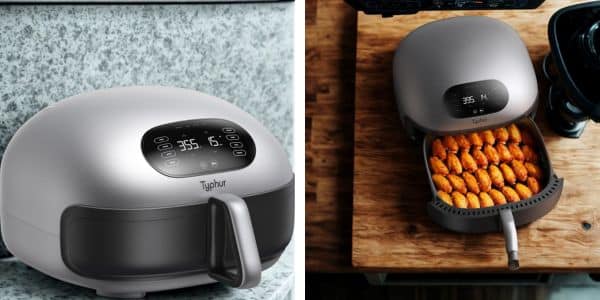
Teflon, PTFE, and PFAS: What Is the Difference?
These terms are related, but they are not identical.
Teflon is a brand name. PTFE is the material most people mean when they discuss traditional nonstick coatings. PFAS is a large group of fluorinated chemicals that includes many different substances.
A product can be advertised as PFOA-free while still using PTFE. PFOA was historically used in some manufacturing processes, but it is not the same thing as PTFE. Therefore, “PFOA-free” alone does not prove that an air fryer is Teflon-free.
If avoiding fluorinated coatings is important to you, look for specific statements about both PTFE and PFAS. A manufacturer should identify the food-contact surface and state whether it contains fluoropolymers.
A useful checklist includes:
• Does the basket contain PTFE?
• Does the product contain PFAS?
• Is the coating ceramic, enamel, silicone, or another material?
• Are the cooking tray and basket made from stainless steel?
• Does the company provide care instructions and material details?
When a product page only says “nonstick,” contact the manufacturer before buying. Material transparency is more useful than a colorful safety claim.
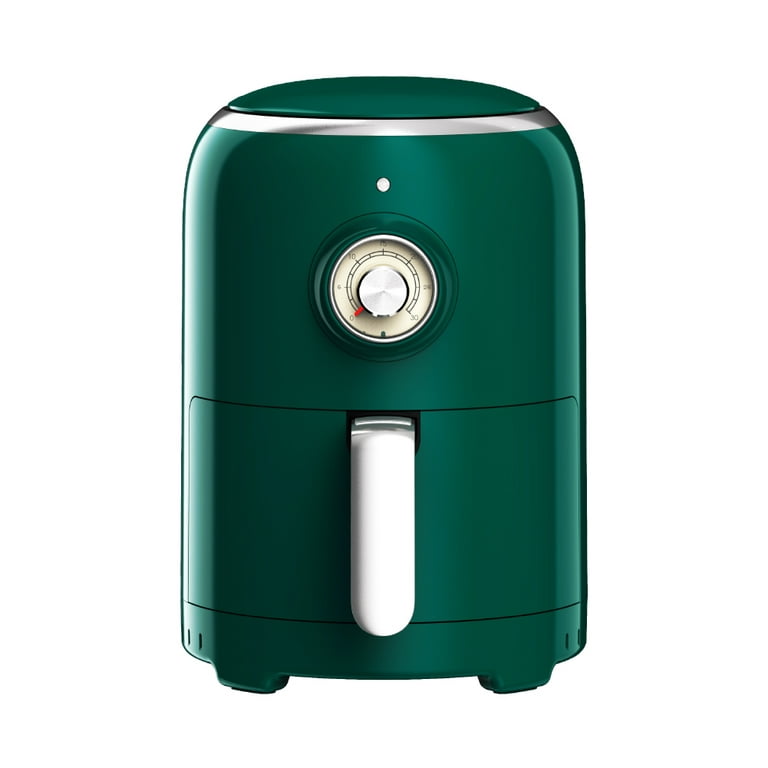
Common Basket Materials in a Teflon-Free Air Fryer
Stainless steel
Stainless steel is one of the clearest options for a teflon free air fryer. It has no applied PTFE coating when the basket is made from bare stainless steel. It is also durable, easy to inspect, and often dishwasher-safe.
The main weakness is sticking. Foods such as cheese, battered vegetables, and skinless fish may cling to the surface. A light coat of oil and proper preheating can help.
Ceramic coating
Ceramic-coated baskets often use a sol-gel coating rather than PTFE. They can offer a smooth surface and good release when new. However, “ceramic” does not mean the entire basket is made from solid ceramic.
Ceramic coatings can scratch, chip, or lose their release quality. Use wooden, silicone, or plastic tools instead of metal utensils. Avoid abrasive powders and rough scrub pads.
Glass
Glass cooking chambers are easy to see through and do not require a nonstick basket coating. This makes them attractive to shoppers who want a teflon free air fryer with a highly visible food-contact surface.
Glass is heavier and may break if dropped or exposed to sudden temperature changes. Always check that the glass is designed for high-heat cooking. Ordinary glass containers are not suitable substitutes.
Enamel
Some trays use enamel over metal. Enamel can resist staining and does not rely on PTFE. However, chips and cracks can expose the metal below, so damaged parts should be replaced.

How to Choose the Best Teflon-Free Air Fryer
The best teflon free air fryer should match your cooking habits, not just your concerns about coatings. A small two-quart unit may suit one person, while a six-quart model may work better for a family.
Consider these features before buying:
1. Confirm the cooking surface
Read the manual, product specifications, and manufacturer FAQ. Look for exact terms such as stainless steel, ceramic-coated, PTFE-free, or PFAS-free.
If the product includes a coated crisper plate, check that part separately. The basket may be stainless steel while the tray has a different finish.
2. Check the capacity
Capacity labels can be confusing because the usable cooking area is often smaller than the advertised volume. A four-quart air fryer may cook enough for one or two people, while a six- to eight-quart model is more practical for larger meals.
A wider basket often cooks more evenly than a tall, narrow basket. Surface area matters because food needs space for hot air to circulate.
3. Review the temperature range
Most air fryers operate within a range of about 200°F to 400°F, although exact settings vary. A higher maximum temperature can help with browning, but it does not guarantee better food.
Look for stable temperature control and clear instructions. Consistent heat is usually more useful than a very high top setting.
4. Inspect the basket design
A removable basket should feel sturdy and lock securely into place. Check for sharp edges, loose handles, rough welds, or areas that are difficult to clean.
A perforated stainless steel basket may improve air movement but can allow small foods to fall through. A solid tray may prevent this but can reduce airflow.
5. Consider cleaning
A removable, dishwasher-safe basket saves time. Still, dishwasher use can shorten the life of some ceramic coatings. Follow the manufacturer’s care instructions instead of assuming that every dishwasher-safe part will last forever.
6. Look for replacement parts
A replaceable basket or tray extends the useful life of the appliance. Before buying, check whether replacement parts are available in the United States.

How to Cook With a Teflon-Free Air Fryer
A teflon free air fryer may need a slightly different approach from a highly slick nonstick model. Stainless steel, in particular, rewards patience.
Use this simple process:
-
Preheat the air fryer if the manual recommends it.
-
Dry food well before adding it to the basket.
-
Apply a small amount of oil to the food, not directly to a hot heating element.
-
Avoid crowding the basket.
-
Let food develop a crust before turning it.
-
Use silicone-tipped tongs or wooden tools.
-
Wash the basket soon after cooking.
For example, when cooking chicken wings, pat the wings dry and use a small amount of oil. Leave space between each piece. If you move the wings too soon, the skin may stick to stainless steel before it becomes crisp.
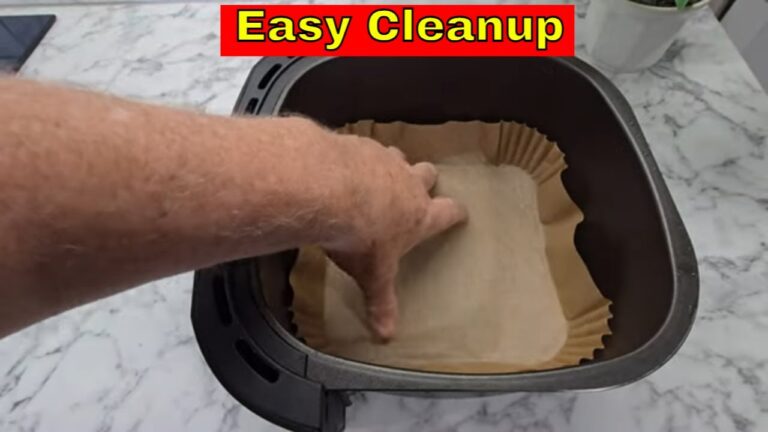
For vegetables, a light oil coating helps browning. For delicate foods, parchment designed for air fryers can reduce sticking, but it should never block the airflow or be used without food holding it down.
In my own product testing, one common mistake was treating stainless steel like a brand-new nonstick pan. Food released much better after preheating, drying the ingredients, and waiting for browning. The lesson was simple: the basket was not failing; the cooking method needed adjustment.

Cleaning and Maintaining a Teflon-Free Air Fryer
Proper care helps any teflon free air fryer last longer. Unplug the appliance and let it cool before cleaning. Never immerse the main electrical unit in water.
For daily cleaning:
• Remove loose crumbs.
• Wash the basket and tray with warm water and mild dish soap.
• Use a soft sponge or nylon brush.
• Dry all parts fully before reassembly.
• Wipe the interior with a damp cloth.
Avoid steel wool, abrasive cleaners, and harsh scouring pads. These can scratch stainless steel, damage ceramic finishes, and create places where food residue collects.
Do not use aerosol cooking sprays unless the manufacturer approves them. Some sprays contain propellants or additives that can leave a sticky film. A refillable oil mister or a small brush gives you better control.
If food is stuck, soak the removable part in warm soapy water. Do not scrape aggressively with a knife. A soft nylon scraper is safer and less likely to damage the surface.

Safety Tips for Using a Teflon-Free Air Fryer
A teflon free air fryer still reaches high temperatures, so material choice does not remove all kitchen risks.
Follow these precautions:
• Keep the appliance on a stable, heat-resistant surface.
• Leave space around the air vents.
• Do not cover the air intake or exhaust.
• Never overfill the basket.
• Keep cords away from hot surfaces.
• Use oven mitts when handling the basket.
• Allow the unit to cool before deep cleaning.
• Replace baskets with severe cracks, peeling, or structural damage.
Do not place loose parchment paper in an empty preheating basket. The fan can lift it toward the heating element. Use parchment only when food weighs it down, and choose a product rated for the expected temperature.
Also watch for smoke from excess grease. Fat that drips into the lower pan can smoke, especially during long cooking cycles. Empty the drawer when needed and avoid cooking greasy foods at unnecessarily high temperatures.
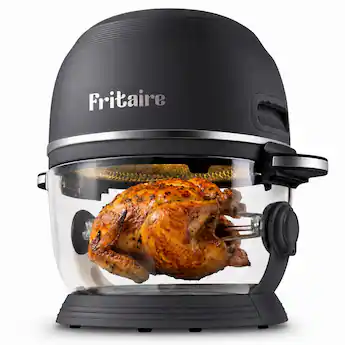
Teflon-Free Air Fryer Versus Traditional Nonstick Models
A teflon free air fryer and a traditional PTFE-coated air fryer can both produce crisp food. The difference is mainly in the food-contact material, maintenance needs, and personal preference.
A Teflon-free model may be better for people who:
• Want stainless steel, glass, or ceramic surfaces
• Prefer to avoid PTFE or broader fluorinated materials
• Want to inspect the basket for wear
• Do not mind using a little oil to reduce sticking
A traditional nonstick model may be better for people who:
• Prioritize easy food release
• Cook delicate foods often
• Want simple cleanup
• Are comfortable following PTFE care instructions
Neither option guarantees healthier meals by itself. An air fryer can reduce the amount of oil used for some foods, but frozen fries, bacon, and heavily processed snacks remain processed foods. Overall diet matters more than the basket material alone.
Mistakes to Avoid When Buying a Teflon-Free Air Fryer
The biggest mistake is trusting the phrase “nonstick” without identifying the coating. Nonstick describes performance, not a specific material.
Avoid these errors:
• Assuming PFOA-free means PTFE-free
• Believing “ceramic” means solid ceramic
• Ignoring the crisper plate material
• Buying a large unit without checking counter space
• Choosing a model with no replacement parts
• Using metal tools on a coated basket
• Overcrowding food and blaming the appliance for poor browning
• Cleaning with abrasive products
Another mistake is choosing based only on the word “healthy.” A teflon free air fryer can reduce your concern about a particular coating, but it does not make every recipe nutritious. Use it as a convenient cooking tool, not as a health guarantee.
Are Teflon-Free Air Fryers Worth It?
For many households, a teflon free air fryer is worth considering. It can provide peace of mind, clear material choices, and strong durability when the basket uses bare stainless steel.
The value depends on your priorities. If easy release is your top concern, ceramic may feel more convenient than bare steel. If long-term durability matters most, stainless steel may be the better fit. If visibility and simple inspection matter, glass may appeal to you.
Before purchasing, compare the full product manual rather than relying on a short online listing. A few minutes of research can prevent confusion about the basket, tray, coating, and replacement parts.
Frequently Asked Questions About Teflon-Free Air Fryers
Is a Teflon-free air fryer safer?
A teflon free air fryer may suit people who want to avoid PTFE or other fluorinated coatings. Safety also depends on correct use, proper cleaning, sound electrical design, and replacing damaged parts.
Are ceramic air fryers completely free of chemicals?
No cooking appliance is completely free of chemicals. Ceramic-coated air fryers may avoid PTFE, but the coating still contains manufactured materials, so check the exact product specification.
Does stainless steel stick in an air fryer?
Stainless steel can cause more sticking than a new nonstick coating. Preheating, drying food, leaving space, and using a small amount of oil can improve food release.
Is PFOA-free the same as Teflon-free?
No. PFOA-free only addresses PFOA, while PTFE is a separate material. Look for a clear statement that the product is PTFE-free if that is your goal.
Can I use cooking spray in a Teflon-free air fryer?
Use cooking spray only if the manufacturer allows it. A small amount of oil applied to the food often works better and reduces sticky residue inside the basket.
How do I clean a teflon free air fryer?
Let the unit cool, unplug it, and wash removable parts with warm water, mild soap, and a soft sponge. Avoid steel wool and harsh abrasives, especially if the basket has a ceramic coating.
What is the best material for a teflon-free air fryer basket?
Bare stainless steel is durable and easy to identify, while ceramic can offer easier food release. The best material depends on whether you value durability, low sticking, weight, or simple maintenance.
Conclusion
A teflon free air fryer can be an excellent choice when you want clear material information and an alternative to PTFE-coated cooking surfaces. Stainless steel, ceramic, glass, and enamel each have useful strengths, but none is perfect for every kitchen.
Check the exact basket and tray materials, confirm whether the product is PTFE-free or PFAS-free, and review the cleaning instructions before buying. With proper preheating, light oil use, sensible loading, and gentle cleaning, your air fryer can deliver crisp meals for years. Compare trusted models, read the full specifications, and share your experience with other home cooks.